
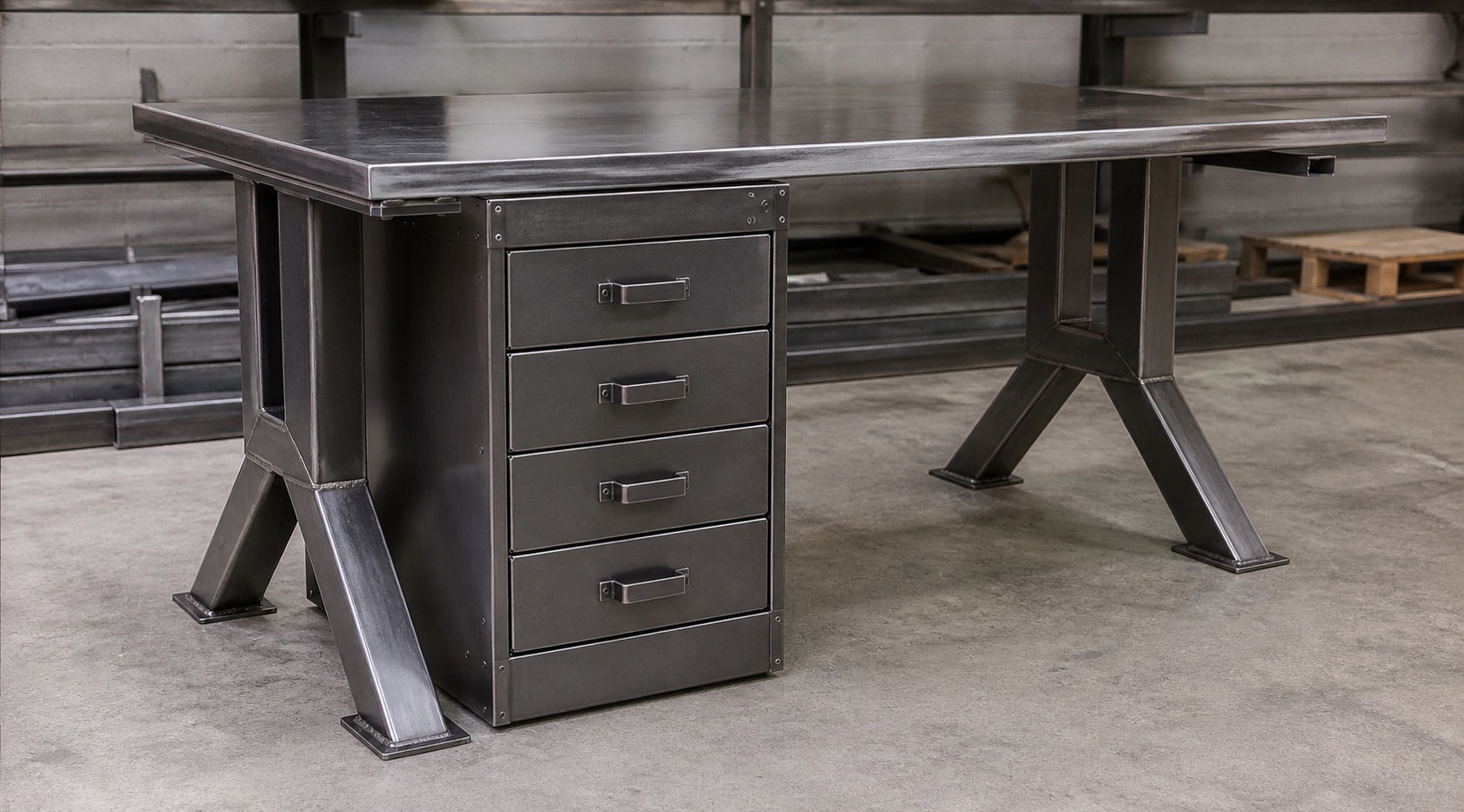
How to finish bare steel furniture starts with cleaning, sanding, and degreasing the surface, followed by applying a protective coating like clear coat, oil, or powder coating to prevent rust and preserve the raw steel look.
Without proper sealing, steel can start rusting within hours—even indoors.
Skip proper finishing, and even clean-looking steel can start corroding faster than most people expect.
Why Most Bare Steel Furniture Fails Without Proper Finishing
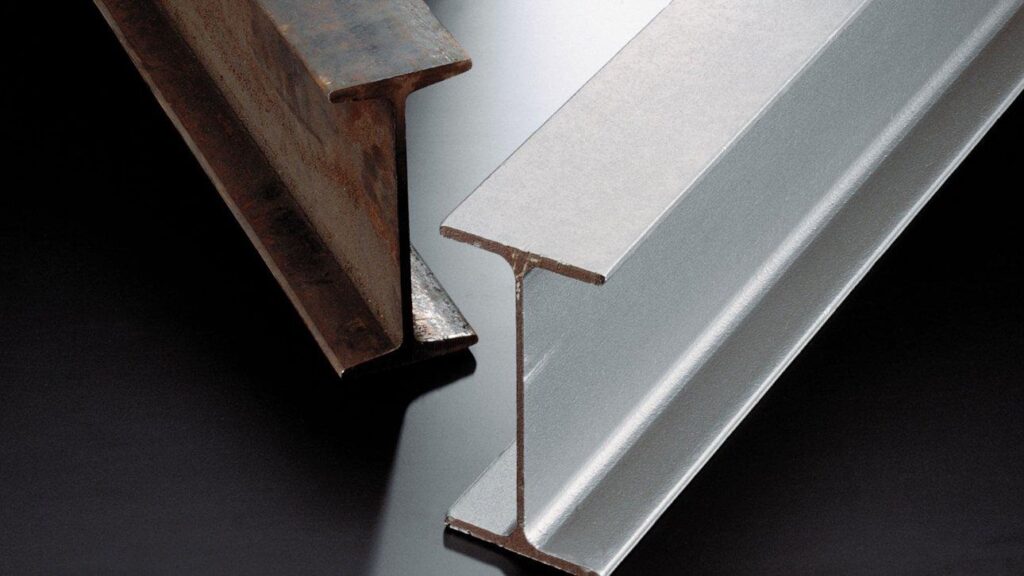
Bare steel furniture looks incredible in modern industrial design, but there is a hidden reality most people underestimate: raw steel starts oxidizing almost immediately once exposed to air and humidity. In real workshop conditions, even freshly sanded steel can begin showing flash rust within hours if the environment is slightly humid.
That’s why finishing bare steel is not just a visual decision—it is a technical requirement if you want the furniture to last.
If you want to protect raw steel furniture, prevent rust on steel furniture, and maintain that clean industrial look for years, the process must be done correctly from the start: surface preparation, controlled coating, and proper curing.
This guide is based on real fabrication experience where steel furniture is produced for both interior and commercial environments.
What Is Bare Steel Furniture and Why It Needs Finishing
Bare steel is simply untreated carbon steel after fabrication. It usually comes from:
- Laser cutting
- Welding and grinding processes can affect metal structure, similar to how heat impacts welded aluminum.
- CNC machining
- Structural fabrication
At this stage, the surface contains microscopic imperfections, oils, and sometimes mill scale. These factors directly affect how coatings behave.
From fabrication experience, the biggest mistake beginners make is assuming steel is “clean” just because it looks smooth. In reality, invisible oil contamination is one of the main reasons finishes fail.
Why Bare Steel Rusts So Fast (And How to Prevent It)
Steel rusts through oxidation. Unlike nonferrous metals, raw carbon steel reacts very quickly with moisture and oxygen.
When iron reacts with oxygen and moisture, it forms iron oxide (rust). Even indoor air contains enough humidity to trigger this process.
Different types of stainless steel resist corrosion much better than untreated carbon steel furniture.
Common accelerators include:
- Fingerprints (skin oils + salts)
- High humidity environments
- Poor ventilation
- Contact with water or damp surfaces
In workshop environments, we often see flash rust appear within 24–48 hours if steel is left untreated.
That’s why finishing raw metal furniture is not optional—it is a protection system.
What Happens If You Don’t Finish Bare Steel Furniture?v
1. Flash Rust Formation
Thin orange oxidation spreads quickly across exposed areas.
2. Permanent Fingerprint Marks
Once etched, fingerprints cannot be cleaned without sanding.
3. Uneven Patina Development
Instead of controlled aging, steel becomes patchy and inconsistent.
4. Long-Term Corrosion Damage
Edges, welds, and joints deteriorate faster than flat surfaces.
How to Prepare Bare Steel Before Finishing (Critical Step)
If there is one rule in steel finishing, it is this:
80% of a good finish comes from preparation, not coating.
Cleaning and Degreasing
Before anything else, the surface must be completely free of contamination.
Use:
- Acetone (industrial standard)
- Isopropyl alcohol (light duty cleaning)
- Degreasing solvents for heavy residue
Wipe until the cloth remains clean.
If oil remains, no coating will bond properly.
Sanding and Surface Profiling
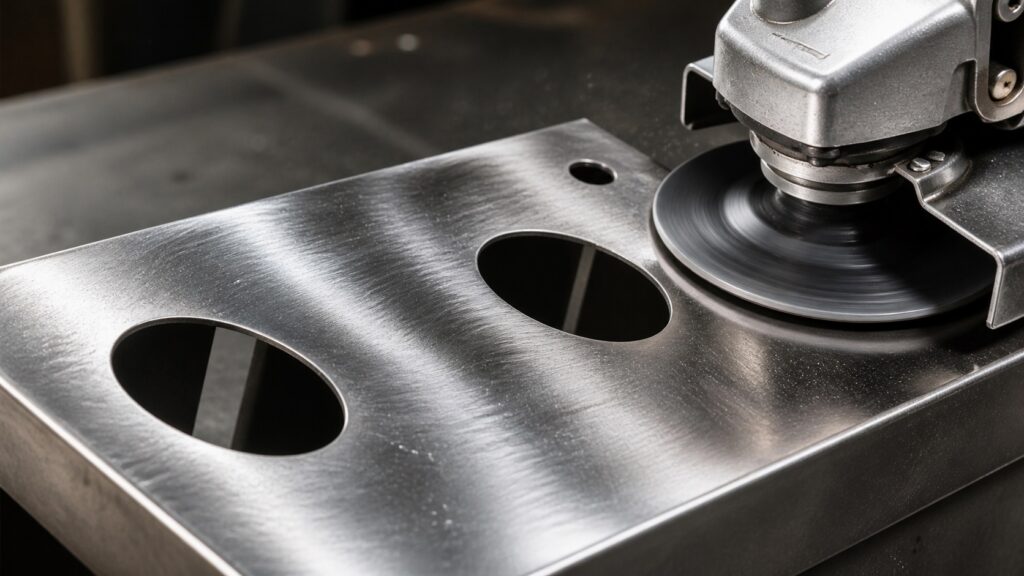
To improve adhesion, the surface must be mechanically prepared.
Typical grit selection:
- 120–180 grit → heavy prep or rust removal
- 240 grit → general preparation
- 320 grit → clear coat finishing
This creates microscopic grooves that help coatings mechanically grip the steel.
Rust and Mill Scale Removal
Depending on condition:
- Light rust → sanding or abrasive pads
- Medium rust → wire wheel
- Heavy scale → flap disc or sandblasting
Professionally, sandblasting gives the most consistent adhesion surface, especially before epoxy or powder coating.
Final Cleaning Step
After sanding:
- Blow off dust with compressed air
- Wipe again with acetone
- Avoid touching with bare hands
Skin oil contamination is one of the most common hidden failure points.
Best Methods to Finish Bare Steel Furniture (Compared)
There is no single “perfect” method, just as there is no universal metal treatment process like anodizing stainless steel. The correct choice depends on durability needs, appearance goals, and environment.
Method vs Durability vs Look: Best Steel Finishing Methods Comparedv
| Method | Durability Level | Appearance / Look | Best Use Case |
|---|---|---|---|
| Clear Coat | Medium–High | Natural raw steel preserved | Indoor furniture, industrial design |
| Powder Coating | Very High | Colored / sealed finish | Outdoor or commercial use |
| Oil / Wax | Low–Medium | Dark natural patina | Decorative indoor pieces |
| Epoxy Coating | Very High | Fully sealed, slightly plastic look | Industrial, chemical exposure |
Clear Coat Steel Furniture Finish (Best for Indoor Use)
Clear coating is the most common method used in industrial furniture design because it preserves the raw steel aesthetic.
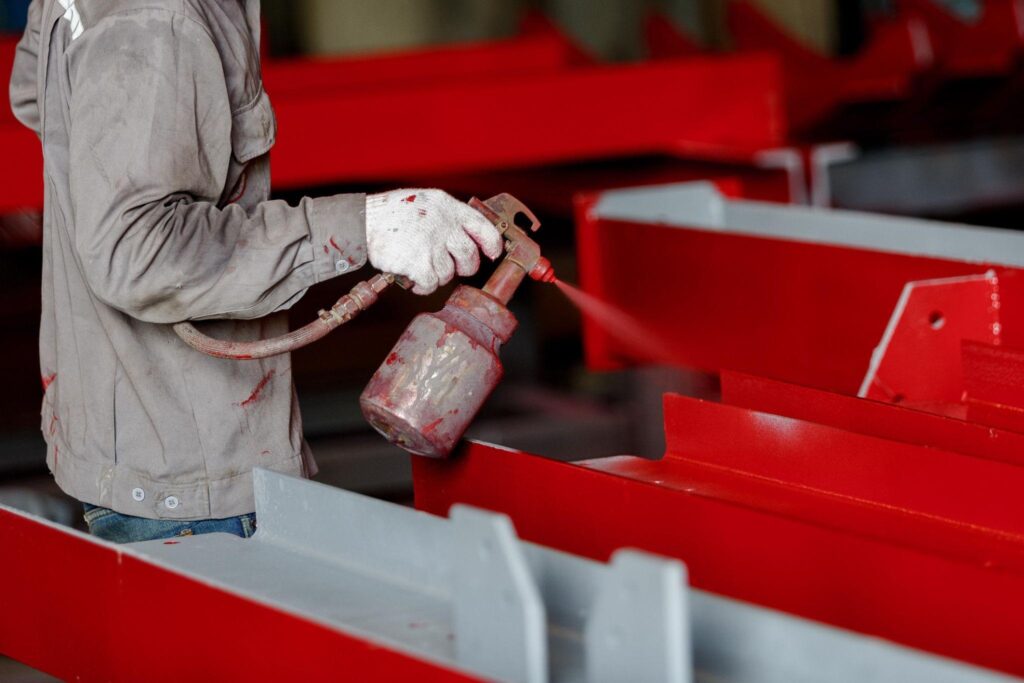
Why it works:
- Maintains natural steel appearance
- Protects against oxidation
- Easy to apply
- Cost-effective
Application insight:
In real workshop practice, multiple thin layers always outperform a single thick coat. Thick coatings trap solvents and often turn cloudy over time.
If your goal is to clear coat steel furniture, proper surface prep is what determines success—not the brand of coating.
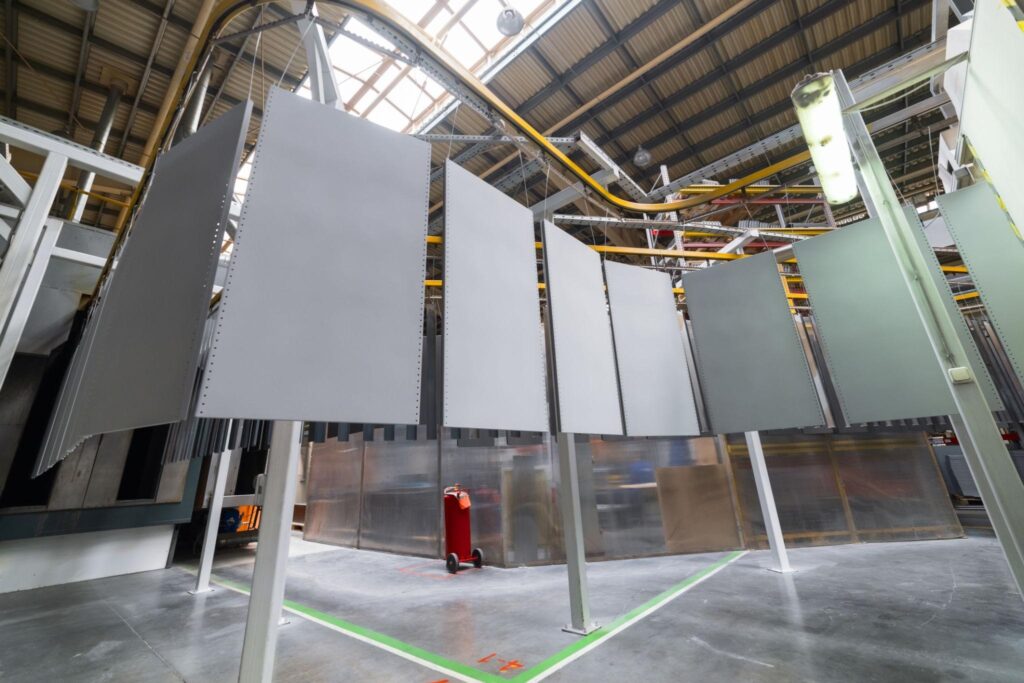
Powder Coating Steel Furniture (Best for Outdoor Durability)
Powder coating is a dry finishing process where electrostatically charged powder is baked onto the steel at high temperature.
Advantages:
- Extremely durable
- Scratch resistant
- Weather resistant
- Long lifespan
Disadvantages:
- Requires industrial oven
- Not DIY friendly
- Removes raw steel aesthetic
From a fabrication perspective, powder coating is the best option when aesthetics are secondary to durability.
Oil and Wax Finish for Bare Steel (Natural Industrial Look)
Oil finishing is often used when designers want a darker, organic steel tone.
Common materials:
- Boiled linseed oil
- Metal wax blends
Benefits:
- Maintains natural patina
- Easy application
- Repairable surface
Limitations:
- Requires maintenance
- Not waterproof
- Not suitable for outdoor use
This method is popular in artistic furniture where finishing raw metal furniture is more about aesthetics than protection.
Epoxy Coating for Steel Furniture (Maximum Protection)
Epoxy is a two-component chemical coating that forms a hard protective shell.
Strengths:
- Excellent corrosion resistance
- Chemical protection
- Strong adhesion
Weaknesses:
- Hides steel texture
- Can look artificial if over-applied
- Requires precise mixing
In industrial environments, epoxy is often used as a base layer before additional finishing systems.
Hybrid Steel Finishing Methods (Advanced Professional Techniques)
In real fabrication workflows, finishes are often layered:
- Epoxy primer + clear coat
- Powder coating base + matte top layer
- Oil patina + wax seal
This approach improves both durability and aesthetic control.
How Environment Affects Steel Finishing (Humidity, Temperature, Dust)v
Even perfect preparation can fail if environment is ignored.
Humidity
High humidity causes:
- Flash rust during application
- Cloudy coatings
- Poor curing
Temperature
Ideal range:
- 18°C – 25°C
Cold slows curing, while heat causes uneven drying.
Extreme heat can also affect steel coloration through surface oxidation reactions.
Dust Control
Dust particles trapped during curing will permanently affect surface quality.
Step-by-Step: How to Finish Bare Steel Furniture Properly
Step 1: Inspection
Check welds, scratches, and oxidation points.
Step 2: Surface Preparation
- Degrease
- Sand appropriately
- Remove rust completely
Step 3: Choose Finishing System
Decide based on:
- Indoor or outdoor use
- Desired aesthetic
- Maintenance expectations
Step 4: Application
- Apply thin layers
- Maintain consistent movement
- Avoid pooling
Step 5: Curing
Allow 24–72 hours depending on coating type.
Never rush this stage.
Common Mistakes When Finishing Bare Steel Furniture
Skipping Degreasing
Even invisible oil causes coating failure.
Over-Coating
Thick layers trap solvents and weaken finish.
Ignoring Edges
Edges rust first—always fully seal them.
Touching Surface Before Curing
This leaves permanent marks in coatings.
Poor Environment Control
Dust and humidity ruin otherwise perfect work.
How to Maintain Finished Steel Furniture (Prevent Rust Long-Term)
Indoor Furniture:
- Wipe weekly with dry microfiber cloth
- Avoid chemical cleaners
- Keep away from humidity sources
Outdoor Furniture:
- Inspect every 3–6 months
- Reapply coating if scratched
- Avoid standing water contact
Steel Finishing Problems and How to Fix Them
White haze on surface
Caused by moisture trapped during curing.
Peeling coating
Usually due to poor surface preparation or oil contamination.
Rust under coating
Edges or welds were not fully sealed.
Yellowing clear coat
UV exposure or low-quality coating.
Frequently Asked Questions About Finishing Bare Steel Furniture
How do you finish bare steel furniture properly?
You must clean, sand, and degrease the steel before applying a protective coating such as clear coat, powder coat, or epoxy. Without proper preparation, rust will develop quickly.
What is the best way to protect raw steel furniture?
The best protection depends on usage. For indoor furniture, clear coat is ideal. For outdoor use, powder coating provides the highest durability.
Can I leave bare steel furniture untreated?
Technically yes, but it will rust quickly due to humidity and oxidation. Even indoor environments are enough to cause corrosion over time.
How do you prevent rust on steel furniture?
You prevent rust by sealing the surface with a protective layer such as clear coat or powder coating and maintaining a dry environment.
Is clear coat enough for steel furniture?
Yes for indoor use. However, in high humidity or outdoor environments, additional protection layers may be required.
What is the most durable finish for steel furniture?
Powder coating is the most durable method, offering high resistance to impact, moisture, and weather conditions.
How long does a steel finish last?
Depending on method and environment, finishes can last from 2 to 10+ years with proper maintenance.
Final Conclusion
Finishing bare steel furniture is a controlled technical process, not a cosmetic step. The durability and appearance of the final piece depend heavily on preparation, environmental control, and choosing the correct finishing system.
From real workshop experience, the most reliable approach is:
Proper surface prep + thin layered clear coat = best balance of protection and raw industrial aesthetic
If maximum durability is required, powder coating remains the industry standard. If aesthetic authenticity is the priority, matte clear coat over well-prepared steel delivers the best visual result.
Either way, the key principle remains the same:
Steel does not forgive poor preparation—but it rewards precision with long-lasting performance.