
Quick Answer: How to Become a CNC Machinist or Programmer
If you want to become a CNC machinist or programmer, you need to learn machining fundamentals, blueprint reading, CNC machine operation, and real shop problem-solving skills.
Most beginners start through trade school, apprenticeships, or shop-floor experience before advancing into CNC programming with G-code, CAD/CAM software, and setup knowledge.
Many people assume CNC machining is just pushing buttons. In reality, one small setup mistake can destroy expensive tooling, scrap precision parts, or even damage a machine within seconds.
That’s why the best CNC machinists and programmers are not just machine operators — they are problem-solvers who understand materials, tooling, tolerances, machine behavior, and production efficiency.
This guide is based on real-world machining shop experience and explains exactly how to become a CNC machinist or programmer step by step, what skills matter most, how long it takes, salary expectations, and the fastest way to build a real CNC career.
What Does a CNC Machinist or Programmer Actually Do?
Before choosing this career path, it’s important to understand the difference between CNC machining and CNC programming because many beginners confuse the two.
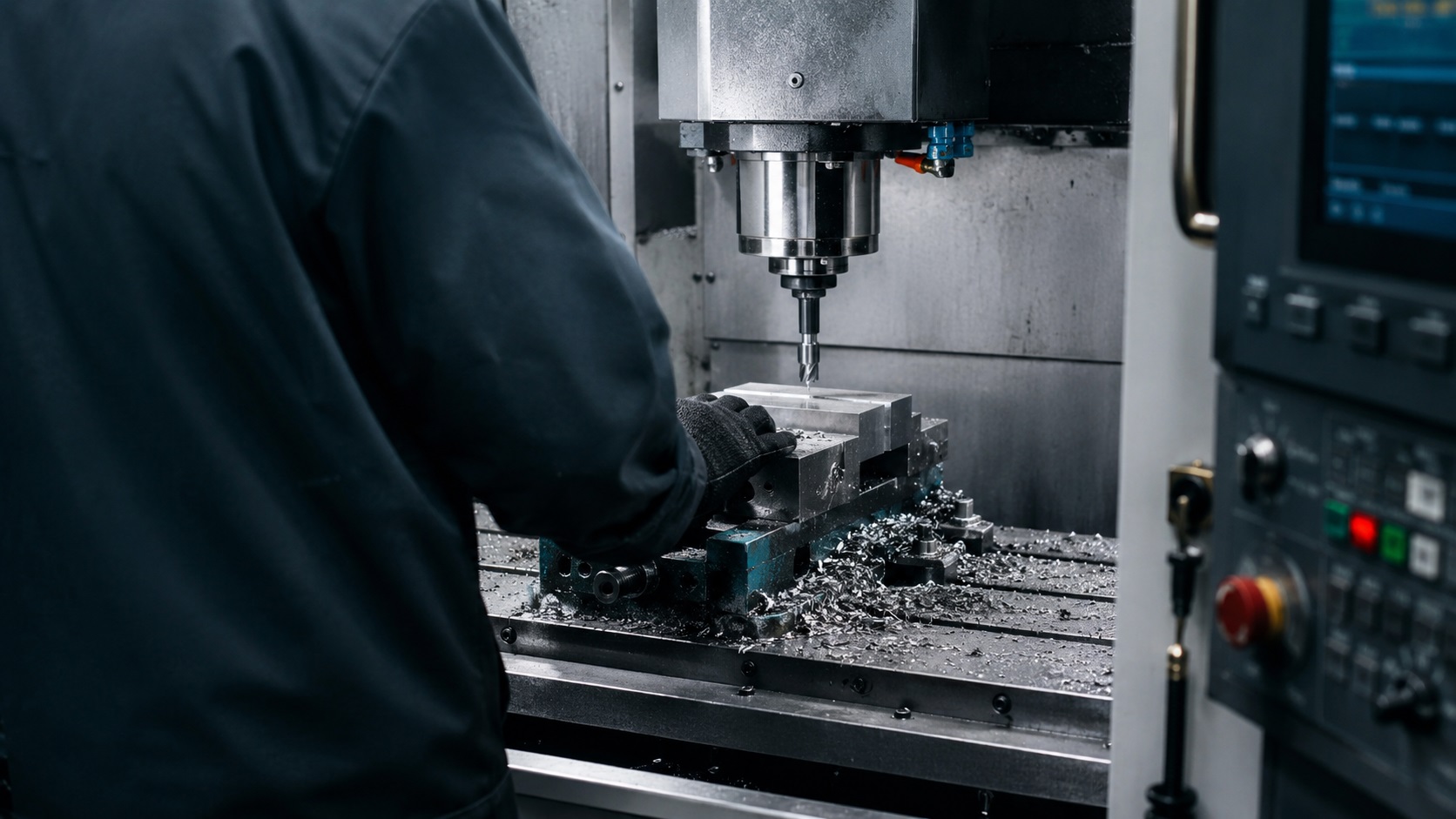
A CNC machinist focuses on operating, setting up, adjusting, and maintaining CNC machines that manufacture precision parts.
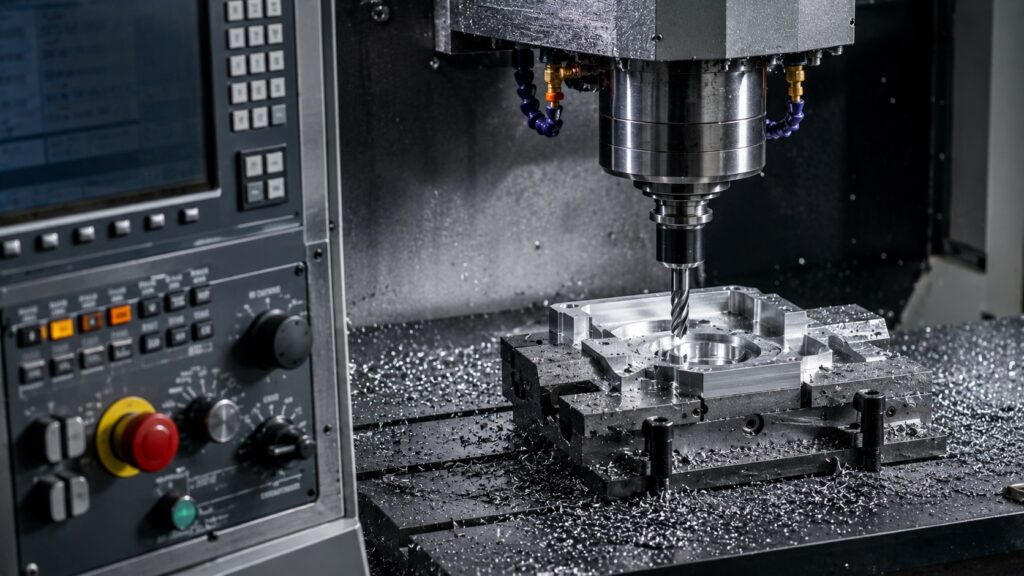
A CNC programmer focuses more on creating machining instructions, toolpaths, speeds, feeds, and production strategies using G-code or CAM software.
In many smaller shops, one person often does both jobs.
From real shop experience, the machinists who eventually become excellent programmers are usually the ones who first understand what actually happens at the machine.
Daily Responsibilities of a CNC Machinist
One thing many beginners don’t expect is how physical and mentally demanding real machining environments can be. In my first months around CNC equipment, I remember watching experienced machinists constantly checking dimensions, listening to spindle sounds, and adjusting offsets almost instinctively. At the time, it looked effortless.
It wasn’t.
Most of those “simple” adjustments came from years of experience dealing with broken tools, scrapped parts, machine vibration, and production pressure.
That’s something people rarely understand from YouTube videos alone — machining is learned through repetition, mistakes, observation, and patience.
CNC Machinist Career Path Overview
| Experience Level | Typical Responsibilities | Common Skills |
|---|---|---|
| Beginner Operator | Loading parts, basic inspection | Safety, measuring basics |
| Setup Machinist | Tool changes, offsets, setups | Blueprint reading, troubleshooting |
| Advanced Machinist | Tight tolerances, process optimization | Fixturing, efficiency improvement |
| CNC Programmer | Toolpaths, CAM systems, optimization | G-code, CAD/CAM, cycle reduction |
| Manufacturing Lead | Production planning, supervision | Workflow management, advanced machining |
A CNC machinist commonly handles:
- Machine setup
- Tool changes
- Part loading and unloading
- Measuring finished parts
- Adjusting offsets
- Reading blueprints
- Monitoring machine wear
- Preventing scrap and tolerance issues
In production environments, machinists are also responsible for maintaining cycle consistency and preventing downtime.
One overlooked reality is that machining is not only technical — it is highly detail-oriented. A tiny measurement mistake can ruin an entire production run.
Daily Responsibilities of a CNC Programmer
A CNC programmer typically works with:
- G-code and M-code
- CAD/CAM software
- Toolpath optimization
- Feeds and speeds calculations
- Fixture strategies
- Material-specific cutting data
- Cycle time reduction
Good programmers don’t just make parts.
They make parts efficiently, safely, and repeatedly.
Professionally, experienced CNC programmers spend a surprising amount of time thinking about tooling limitations, chatter reduction, heat generation, chip evacuation, and machine rigidity.
Is CNC Machining a Good Career in 2026?
Yes — and in many regions, skilled CNC machinists are becoming harder to replace.
Modern manufacturing still depends heavily on:
- Aerospace machining
- Medical components
- Automotive parts
- Industrial equipment
- Defense manufacturing
- Tool and die work
- Prototype machining
Despite automation, skilled machinists remain valuable because CNC machines still require experienced human decision-making.
Job Demand
Many manufacturing companies struggle to find qualified CNC machinists who can:
- Hold tight tolerances
- Perform setups correctly
- Read technical drawings
- Solve machining problems independently
In real shops, reliable machinists often become extremely valuable because training new people takes time and mistakes are expensive.
Salary Expectations
One thing that surprised me when I first spent time around machining shops was how much pay can vary depending on actual skill level.
Two people may both technically be called “machinists,” but one might simply load parts while another handles setups, troubleshooting, programming, and process optimization.
Those are completely different value levels.
Average CNC Career Progression
| Position | Experience Level | Income Potential | |—|—| | Entry-Level Operator | 0–1 years | Moderate | | CNC Setup Machinist | 1–3 years | Good | | Advanced Machinist | 3–5 years | Very Good | | CNC Programmer | 4+ years | High | | Multi-Axis Specialist | Advanced | Very High |
Salary depends heavily on:
- Experience
- Region
- Industry
- Programming ability
- Multi-axis machining skills
- Setup knowledge
Entry-level machinists typically earn less at the beginning, but skilled setup machinists and CNC programmers can earn very competitive incomes.
In advanced industries like aerospace or medical manufacturing, experienced CNC programmers often earn significantly more because precision requirements are extremely demanding.
Career Stability
CNC machining is one of those careers where real skill still matters.
A machinist who understands setups, tooling, inspection, and troubleshooting is difficult to replace.
From fabrication experience, the people who grow fastest in machining are usually the ones who constantly ask:
“Why did this happen?”
—not just:
“How do I press the button?”
How to Become a CNC Machinist Step-by-Step
There is no single perfect path into machining.
Some people enter through trade schools. Others start as shop helpers. Some learn entirely through hands-on experience.
However, the fastest path usually combines structured learning with real machine exposure.
Learn Basic Machining Fundamentals
A lot of beginners want to jump straight into programming because CAD/CAM software looks exciting. But in real shops, the people who become strong programmers almost always understand machining fundamentals first.
I’ve personally seen situations where beautifully programmed toolpaths failed because the programmer didn’t understand real-world cutting pressure or workholding limitations.
The machine followed the code perfectly.
The problem was the strategy behind the code.
That’s why understanding machining fundamentals matters so much.
Core CNC Skills Every Beginner Should Learn First
| Skill | Why It Matters |
| Blueprint Reading | Prevents dimensional mistakes |
| Precision Measurement | Ensures tolerance accuracy |
| Speeds and Feeds | Reduces tool wear and chatter |
| Workholding | Prevents movement and scrap |
| Tool Selection | Improves surface finish and efficiency |
| Material Behavior | Helps avoid heat and cutting issues |
Before touching CNC equipment, you should understand:
- Basic metalworking
- Cutting tools
- Drill bits and end mills
- Material behavior
- Speeds and feeds
- Tolerances
- Workholding
A beginner who skips machining fundamentals usually struggles later.
CNC machines are extremely advanced, but machining principles still matter.
For example:
Aluminum behaves very differently from stainless steel. Tool pressure affects chatter. Heat changes dimensional stability. Chip evacuation matters.
Heat exposure can dramatically affect metal properties, similar to what happens when welding aluminum.
Good machinists understand these things instinctively over time.
Understand CNC Machines
Next, learn how CNC machines actually function.
This includes:
- Axis movement
- Tool offsets
- Coordinate systems
- Machine zero
- Work offsets
- Tool length compensation
- Spindle operation
Many beginners get overwhelmed by machine controls at first.
That’s normal.
In real workshops, even experienced machinists still double-check setups carefully because one wrong offset can crash a machine.
Practice Reading Blueprints
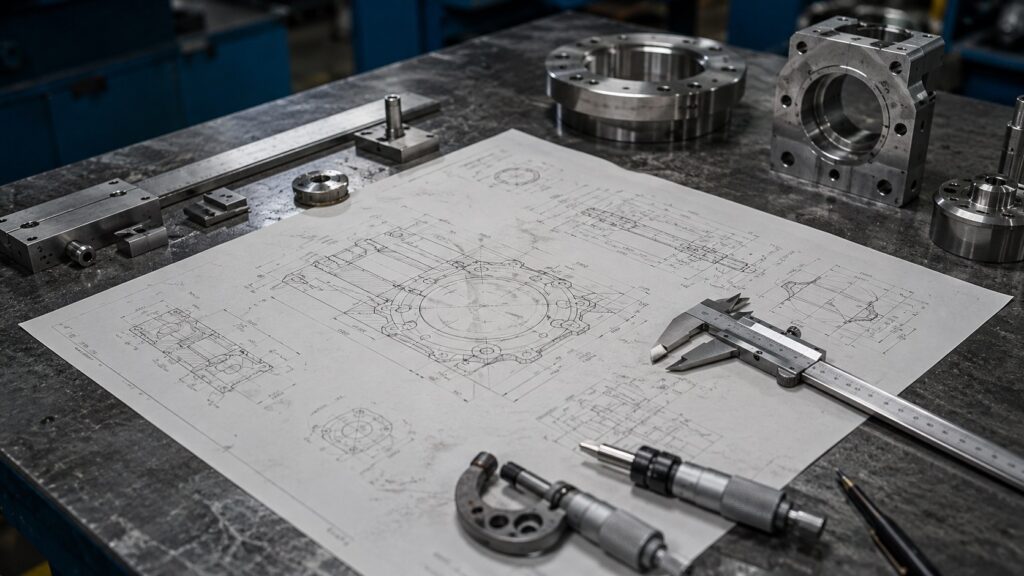
Blueprint reading is one of the most important machining skills.
You must understand:
- Dimensions
- Geometric tolerances
- Surface finish symbols
- Hole callouts
- Threads
- Datums
- Section views
A machinist who cannot interpret drawings properly will constantly make errors.
Professionally, blueprint reading often separates average operators from highly valuable machinists.
Learn Precision Measurement Tools
Machining is precision work.
You need hands-on experience using:
- Calipers
- Micrometers
- Dial indicators
- Bore gauges
- Height gauges
- Thread gauges
In many shops, inspection mistakes are more dangerous than cutting mistakes because bad parts may not be discovered until much later.
Gain Shop Experience
Nothing replaces real shop exposure.
This is where you learn:
- Machine sounds
- Tool wear behavior
- Setup strategies
- Production workflow
- Problem-solving under pressure
One important truth:
Machining is learned with your eyes, ears, and hands — not just from books.
How to Become a CNC Programmer
Programming is usually the next step after learning machining fundamentals.
The best CNC programmers understand what machinists experience at the machine.
Without that foundation, programs may look correct digitally but fail during actual production.
Learn G-Code and M-Code
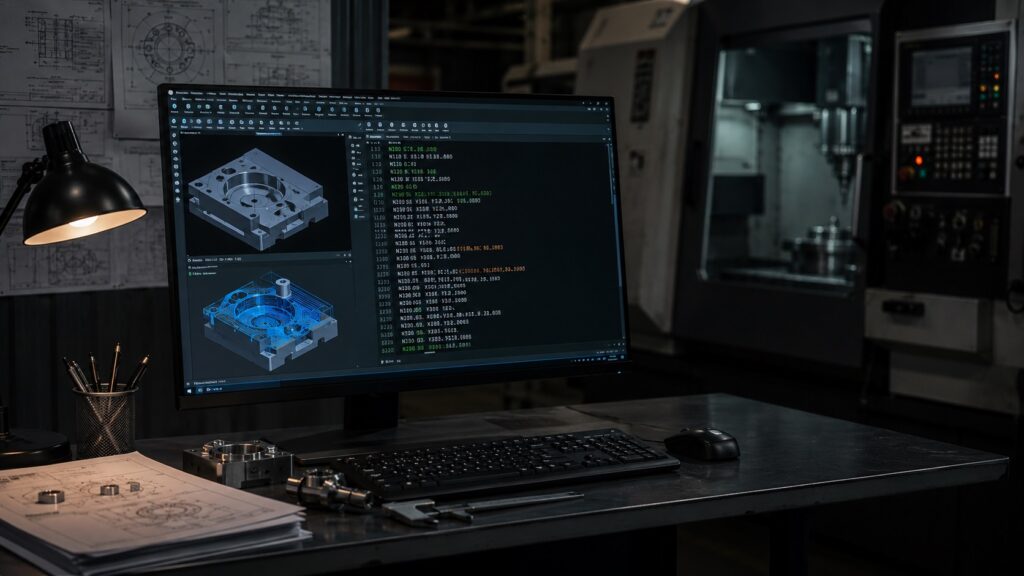
The first time most people see raw G-code, it feels overwhelming. Lines of numbers, coordinates, feed commands, offsets — it almost looks like another language.
But after enough exposure, patterns begin to appear.
One of the most valuable lessons I learned early was that good programmers do not simply trust software output blindly. Experienced machinists constantly verify clearances, tool lengths, rapid moves, and work offsets because even one incorrect command can create an expensive crash.
In real production shops, cautious programmers usually last longer than overly confident ones.
Common CNC Codes Beginners Encounter
| Code | Function |
| G00 | Rapid positioning |
| G01 | Linear cutting movement |
| G02 / G03 | Circular interpolation |
| M03 | Spindle start |
| M05 | Spindle stop |
| M08 | Coolant on |
| G54 | Work offset selection |
G-code controls machine movement.
M-code controls machine functions.
Common examples include:
- G00 rapid movement
- G01 linear cutting
- G02/G03 circular interpolation
- M03 spindle on
- M08 coolant on
Understanding code structure is essential, even when using CAM software.
Professionally, experienced programmers still review raw code because software can make inefficient or unsafe decisions.
Advanced CNC machining often uses cycles like the G83 peck drilling cycle for deep-hole drilling operations.
Understand CAD/CAM Software
Modern programming often uses:
- Fusion 360
- Mastercam
- SolidCAM
- NX
- SolidWorks CAM
CAM software creates toolpaths automatically, but it still requires human strategy.
The software only follows instructions.
It does not magically understand:
- vibration
- rigidity
- chip control
- tool deflection
- real-world machine limitations
Master Toolpaths and Speeds
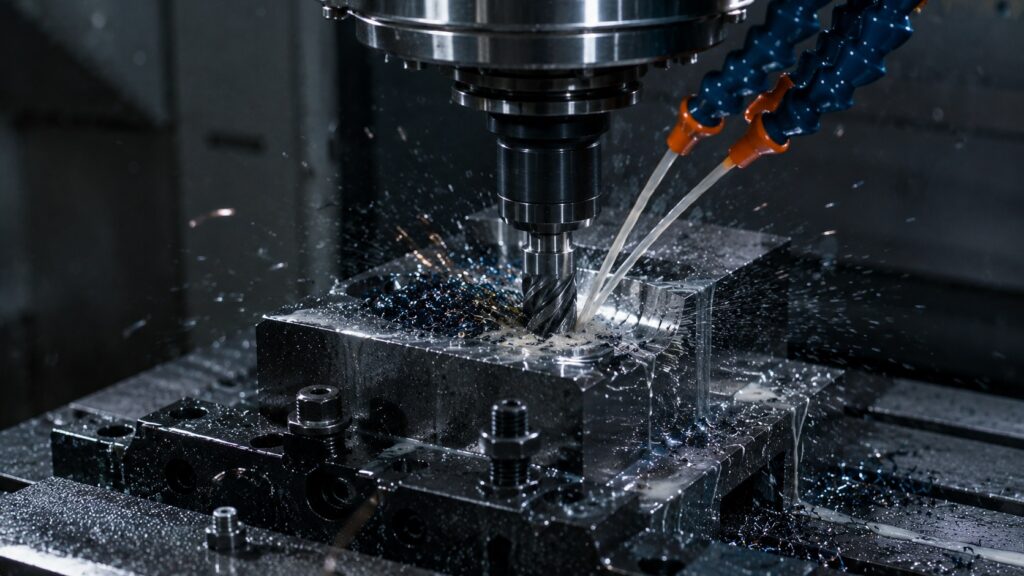
Programming is not just geometry.
It’s also understanding:
- chip load
- cutter engagement
- material hardness
- spindle limitations
- feed optimization
In production environments, improving cycle time by even 10 seconds can save huge amounts of money over thousands of parts.
Learn CNC Setup Procedures
Even great code can fail if setups are poor.
Programmers should understand:
- fixture stability
- clamping pressure
- workholding access
- tool clearance
- probing systems
From real machining experience, many crashes happen because setup realities were ignored during programming.
Do You Need School to Become a CNC Machinist?
Not necessarily.
Many excellent machinists never completed formal machining degrees.
However, education can accelerate learning.
Trade School vs Self-Taught
Trade schools help beginners learn:
- machining theory
- machine safety
- blueprint reading
- measuring techniques
- CNC basics
Self-taught machinists often learn slower initially but gain valuable hands-on adaptability.
The best path usually combines both.
Online CNC Courses
Today, many people learn CNC machining online.
YouTube, simulators, CAD/CAM tutorials, and machining forums provide enormous educational value.
However, watching machining is not the same as performing machining.
Real machine experience still matters most.
Apprenticeships
Apprenticeships are one of the fastest ways to improve.
Working beside experienced machinists teaches:
- setup shortcuts
- troubleshooting habits
- real production expectations
- efficiency techniques
In real shops, beginners who ask questions and pay attention improve dramatically faster.
What Skills Do CNC Machinists Need?
Many people think machining is purely mechanical.
In reality, it combines technical thinking, precision, patience, and problem-solving.
Mechanical Thinking
Good machinists naturally visualize:
- part geometry
- tool movement
- machine clearances
- material removal
This skill becomes stronger with experience.
Problem Solving
Every machining problem has a cause.
Examples include:
- chatter
- poor finish
- broken tools
- dimensional drift
- vibration
- thermal expansion
Strong machinists stay calm and troubleshoot logically.
Math Skills
You do not need advanced calculus.
But you do need:
- fractions
- decimals
- geometry
- trig basics
- tolerance calculations
Measurement accuracy is everything in machining.
Attention to Detail
Machining punishes carelessness.
A single incorrect decimal point can scrap expensive material instantly.
Professionally, attention to detail is one of the most valuable machining skills.
How Long Does It Take to Become a CNC Machinist?
Most beginners become employable within:
- 6–12 months for basic operation
- 1–3 years for strong setup skills
- 3–5 years for advanced programming and complex machining
But machining is one of those careers where learning never really stops.
Even highly experienced machinists continue improving:
- tooling strategy
- machine optimization
- automation
- multi-axis machining
- CAD/CAM workflows
The industry constantly evolves.
CNC Machinist vs CNC Programmer (Key Differences)
These careers overlap heavily, but they are not identical.
| Category | CNC Machinist | CNC Programmer |
| Primary Focus | Machine operation & setup | Program creation & optimization |
| Main Skills | Setup, tooling, inspection | CAM software, toolpaths, code |
| Shop Floor Work | Very high | Moderate |
| Computer Work | Moderate | Very high |
| Troubleshooting | Machine-focused | Process-focused |
| Salary Potential | Strong | Often higher at advanced levels |
Salary Differences
Advanced programmers often earn more because they directly influence production efficiency.
However, highly skilled setup machinists are also extremely valuable.
Work Responsibilities
Machinists focus more on machine-side execution. Programmers focus more on process planning and optimization.
In smaller companies, one person may handle both roles.
Career Growth
Many machinists eventually transition into:
- programming
- manufacturing engineering
- process engineering
- quality control
- shop supervision
Common Mistakes Beginners Make in CNC Machining
Almost every machinist makes mistakes early on.
The key is learning from them quickly.
Ignoring Machine Safety
CNC machines are powerful industrial equipment.
Ignoring safety procedures can cause:
- serious injuries
- machine crashes
- damaged tooling
- flying material hazards
Safety discipline matters.
Poor Measurement Habits
Many beginners trust visual appearance too much.
Machining is about measurement — not guessing.
Always verify dimensions properly.
Not Learning Feeds and Speeds
Incorrect feeds and speeds create:
- tool wear
- chatter
- poor finish
- heat problems
- broken cutters
Understanding cutting conditions is essential.
Rushing Setup Procedures
Most machining disasters happen during setup.
Professionally, experienced machinists move carefully during setup because mistakes there affect everything afterward.
Best Ways to Learn CNC Machining Faster
Some learning methods accelerate progress dramatically.
Using Simulators
CNC simulators help beginners understand:
- machine movement
- crashes
- toolpaths
- coordinate systems
without damaging real equipment.
Watching Real Shop Workflows
Watching experienced machinists teaches:
- machine rhythm
- workflow organization
- troubleshooting habits
- setup efficiency
This type of learning is extremely valuable.
Practicing Manual Machining First
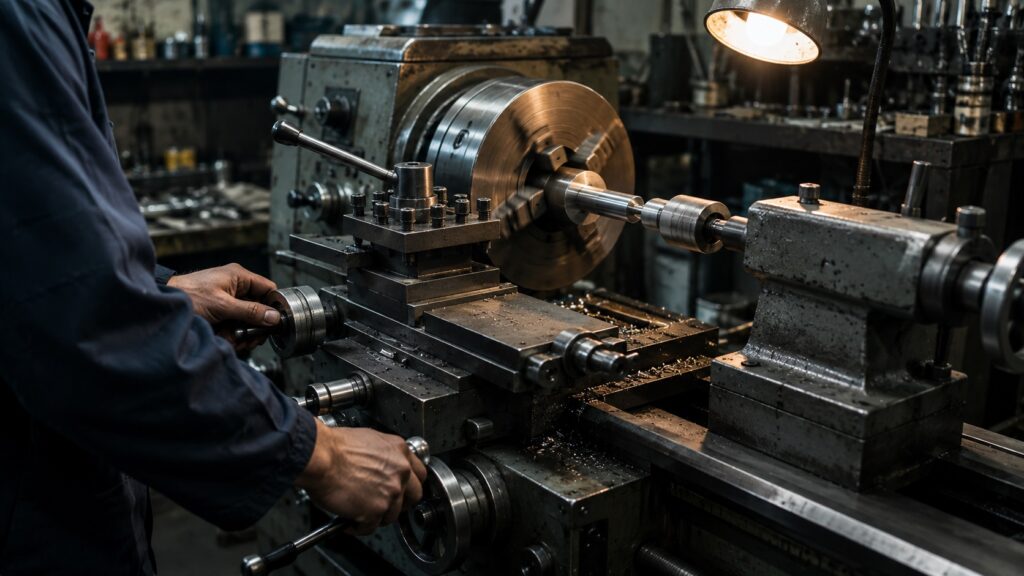
Manual machining teaches:
- cutting feel
- feeds and speeds intuition
- machine rigidity understanding
Many excellent CNC machinists started on manual mills and lathes.
Learning CAM Software Early
CAM skills are increasingly important.
The earlier you understand:
- toolpath generation
- simulation
- post-processing
- collision checking
The earlier you understand these systems, the faster you grow professionally.
Frequently Asked Questions About Becoming a CNC Machinist
Is CNC machining hard to learn?
CNC machining has a learning curve, especially regarding setups, tolerances, and troubleshooting. However, beginners who practice consistently and gain shop experience improve much faster.
Can you become a CNC programmer without college?
Yes. Many CNC programmers start as machinists and gradually learn programming through real production work and CAM software training.
Do CNC machinists make good money?
Experienced CNC machinists and programmers can earn strong incomes, especially in aerospace, medical, and precision manufacturing industries.
What is the fastest way to learn CNC machining?
Experienced CNC machinists and programmers can earn strong incomes, especially in aerospace, medical, and precision manufacturing industries.
Is CNC machining a stable career?
Yes. Skilled machinists remain in demand because precision manufacturing still requires experienced operators and programmers.
Do I need math for CNC machining?
Basic math, geometry, decimals, and measurement calculations are important, but advanced mathematics is usually unnecessary.
Can beginners learn CNC machining at home?
Beginners can learn theory, CAD/CAM basics, and simulation at home, but real machine experience is eventually necessary.
Final Thoughts on Becoming a CNC Machinist or Programmer
Becoming a CNC machinist or programmer is not about memorizing buttons or learning software shortcuts.
It is about understanding how machines, tools, materials, precision, and problem-solving work together in real manufacturing environments.
The machinists who succeed long-term are usually the ones who:
- stay curious
- pay attention to detail
- learn from mistakes
- respect machine safety
- continuously improve their skills
From real workshop experience, the best CNC professionals are not the fastest people in the shop.
They are the most consistent.
If you focus on machining fundamentals, gain hands-on experience, and continue learning setup and programming skills, CNC machining can become a highly stable, rewarding, and long-term career path.