Waterjet Cutting vs Plasma Cutting: Practical Fabrication Guide

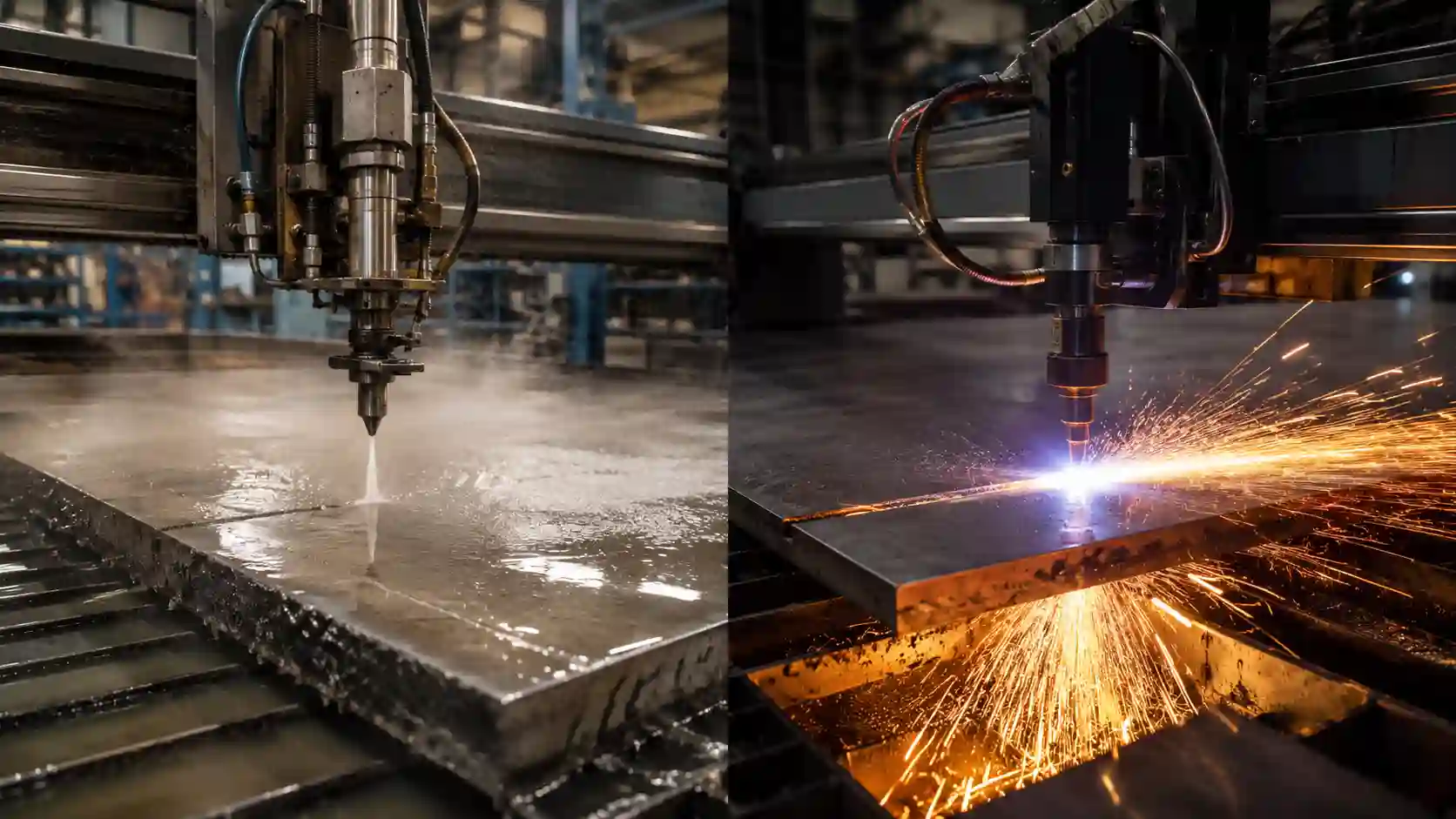
Waterjet cutting vs plasma cutting comparison showing cold abrasive waterjet cutting and thermal plasma arc cutting on steel plate

Quick Answer: Waterjet vs Plasma Cutting Waterjet cutting is better for precision, thick materials, non-metal materials, and parts that cannot tolerate heat. Plasma cutting is better for fast, affordable cutting of conductive metals, especially mild steel plate. The best choice depends on material type, thickness, tolerance, edge quality, heat sensitivity, production speed, and budget. Waterjet … Read more

How to Fix CNC Chatter Marks on Turned Parts (10 Shop-Proven Solutions)

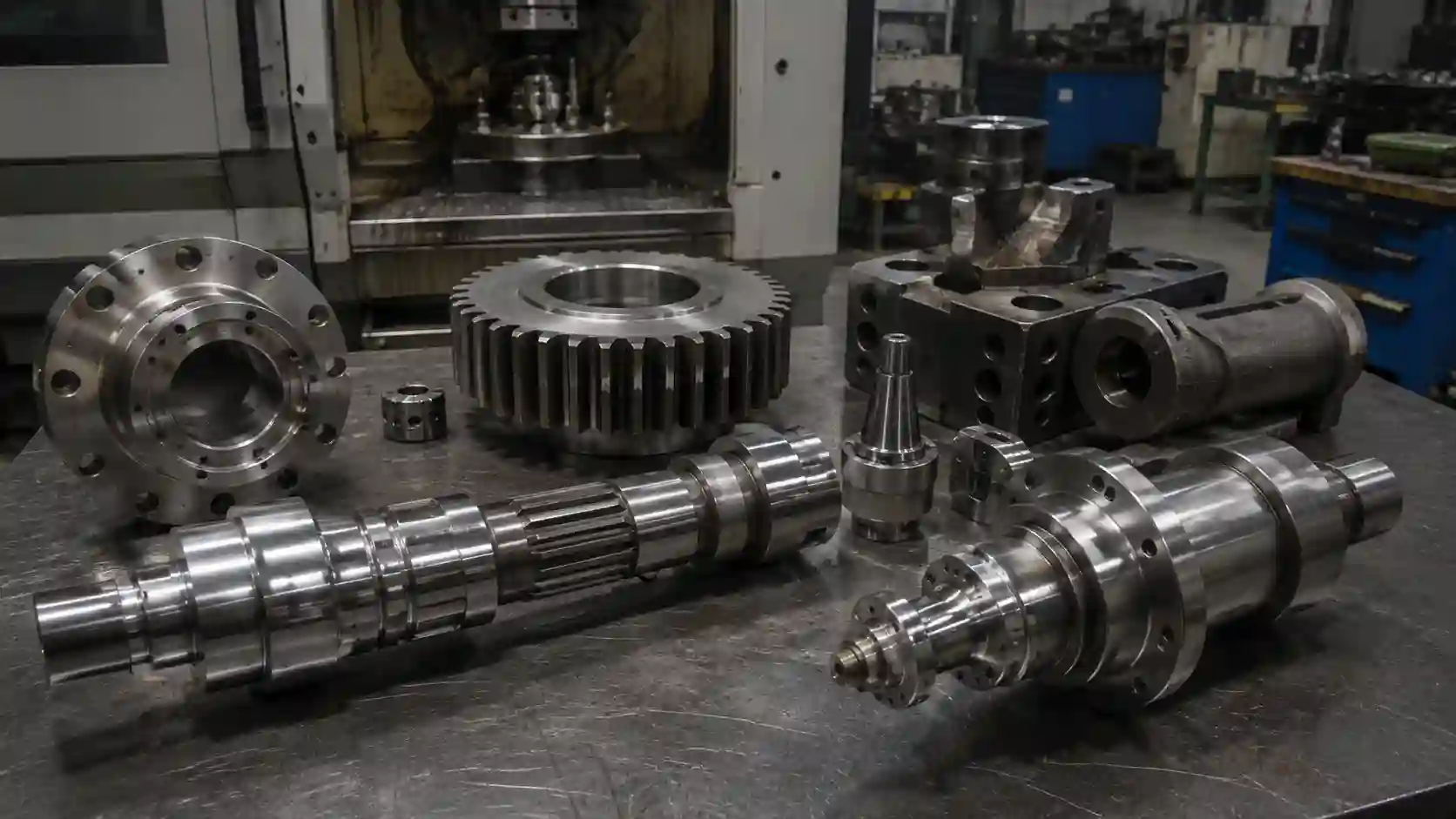
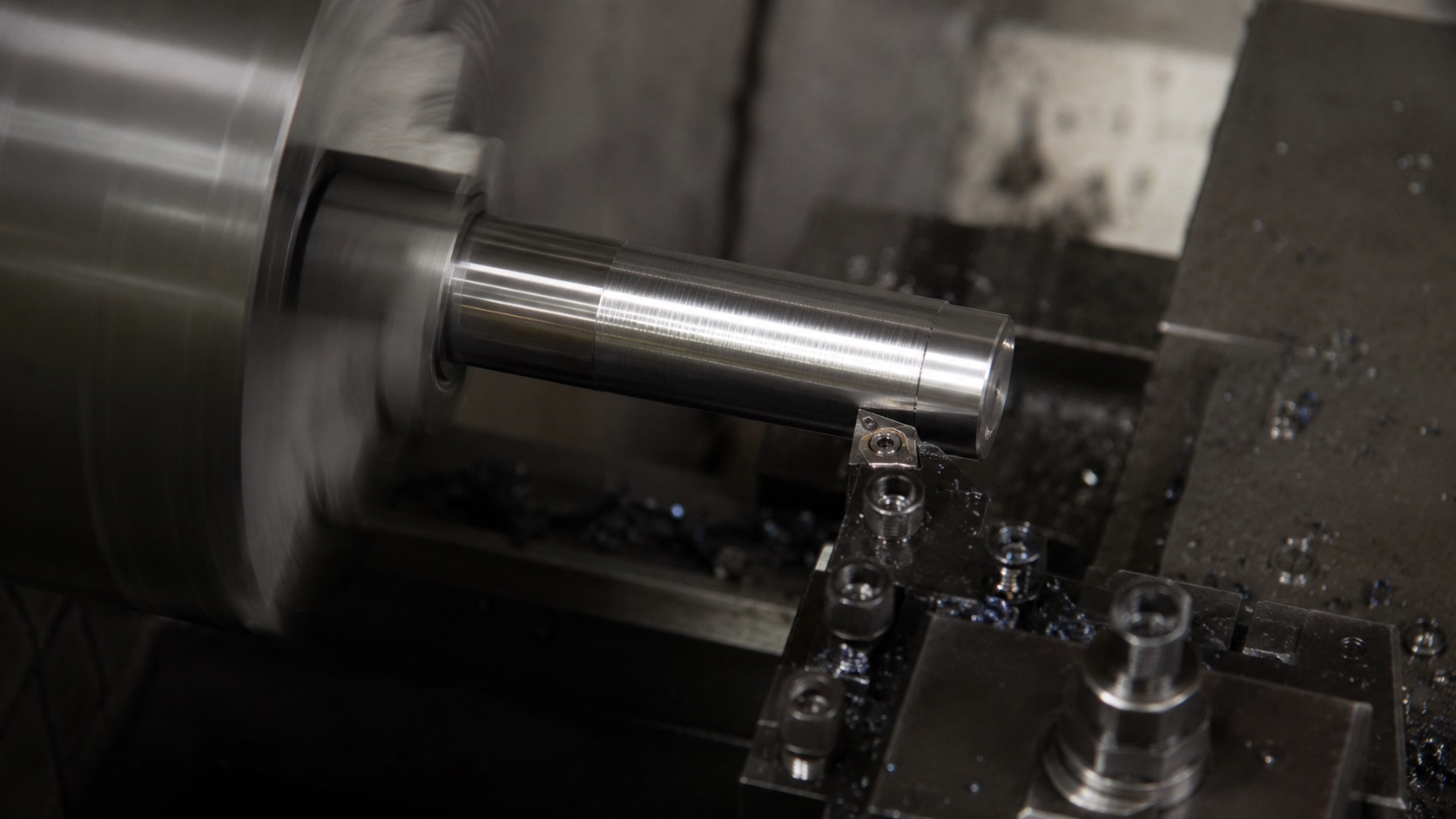
CNC chatter marks forming on a turned steel shaft during lathe machining

What Causes Chatter Marks on Turned Parts? Chatter marks on turned parts are usually caused by vibration between the cutting tool, workpiece, and CNC lathe setup. To fix CNC chatter marks on turned parts, start by reducing tool overhang, improving workpiece support, adjusting spindle speed, checking insert geometry, and making sure the finishing pass is … Read more

Why Does Steel Crack After Quenching? Causes and Prevention Guide

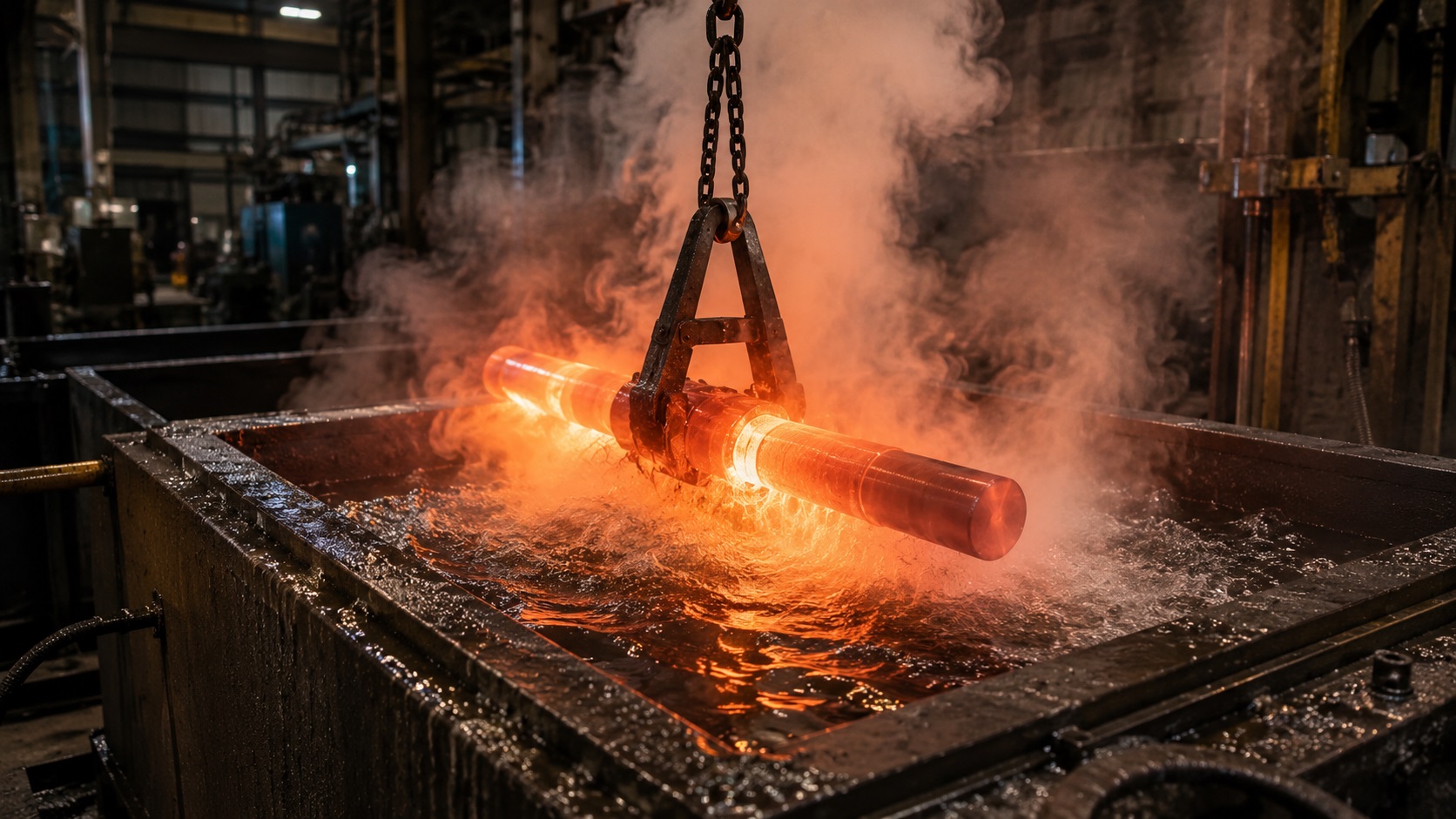
Steel component being quenched in oil during heat treatment

Why Does Steel Crack After Quenching? (Short Answer) Steel cracks after quenching because rapid cooling creates extreme internal stresses while the steel transforms from austenite into martensite. If those stresses exceed the material’s strength, cracks can form immediately or even hours later. Common causes include overly aggressive quenching, overheating, delayed tempering, poor part design, and … Read more

What Is Black Oxide Coating? A Practical Guide for Metal Parts

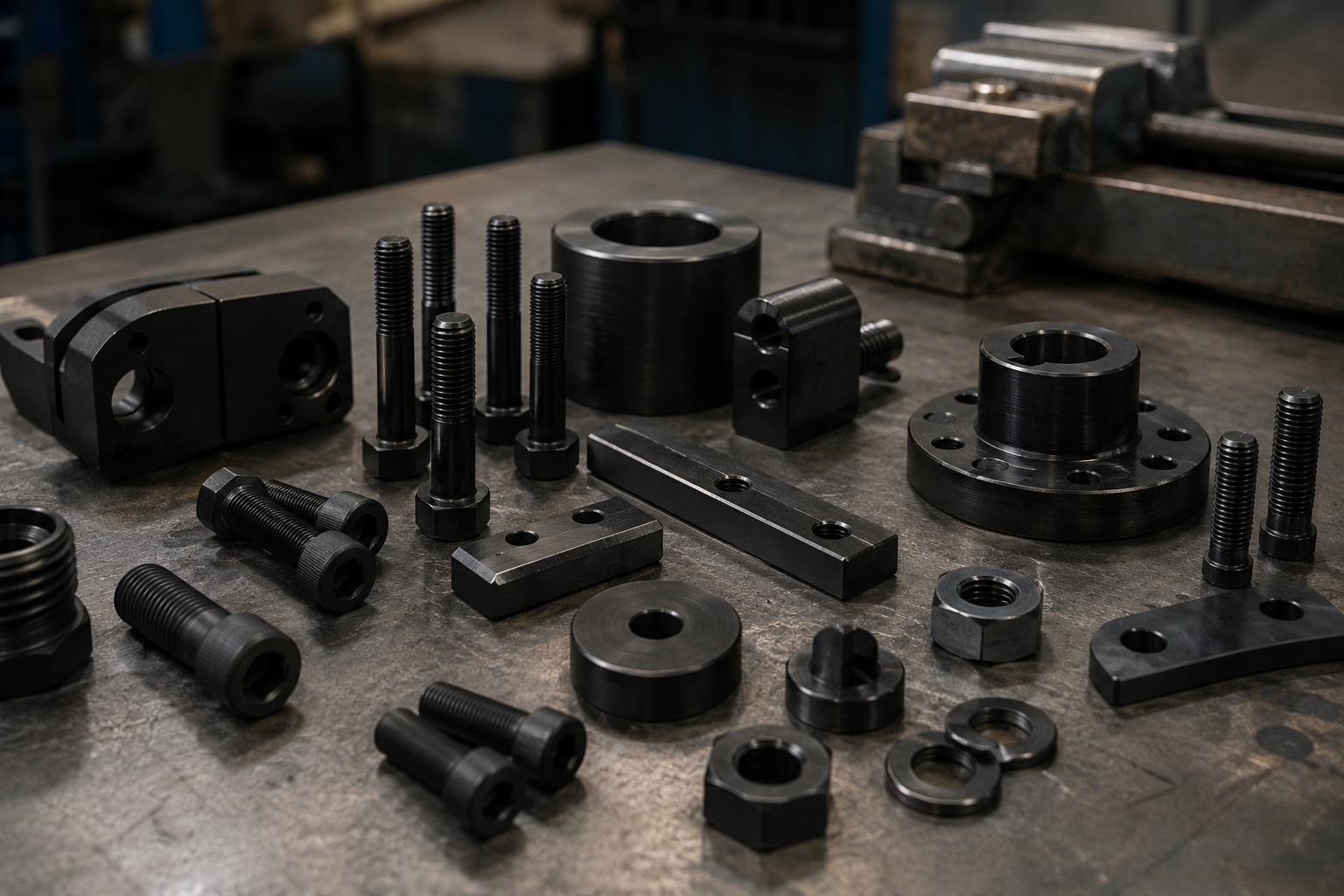
Black oxide coated steel fasteners and machined parts with dark satin finish

Black Oxide Coating Explained in 60 Seconds Black oxide coating is a chemical conversion finish that turns the surface of steel or iron into a thin black oxide layer, usually magnetite. It improves appearance, reduces glare, adds light corrosion resistance, and causes almost no dimensional buildup, making it useful for tools, fasteners, fixtures, and precision … Read more

Solenoid Valves Explained: Working Principles, Valve Types & Failure Prevention

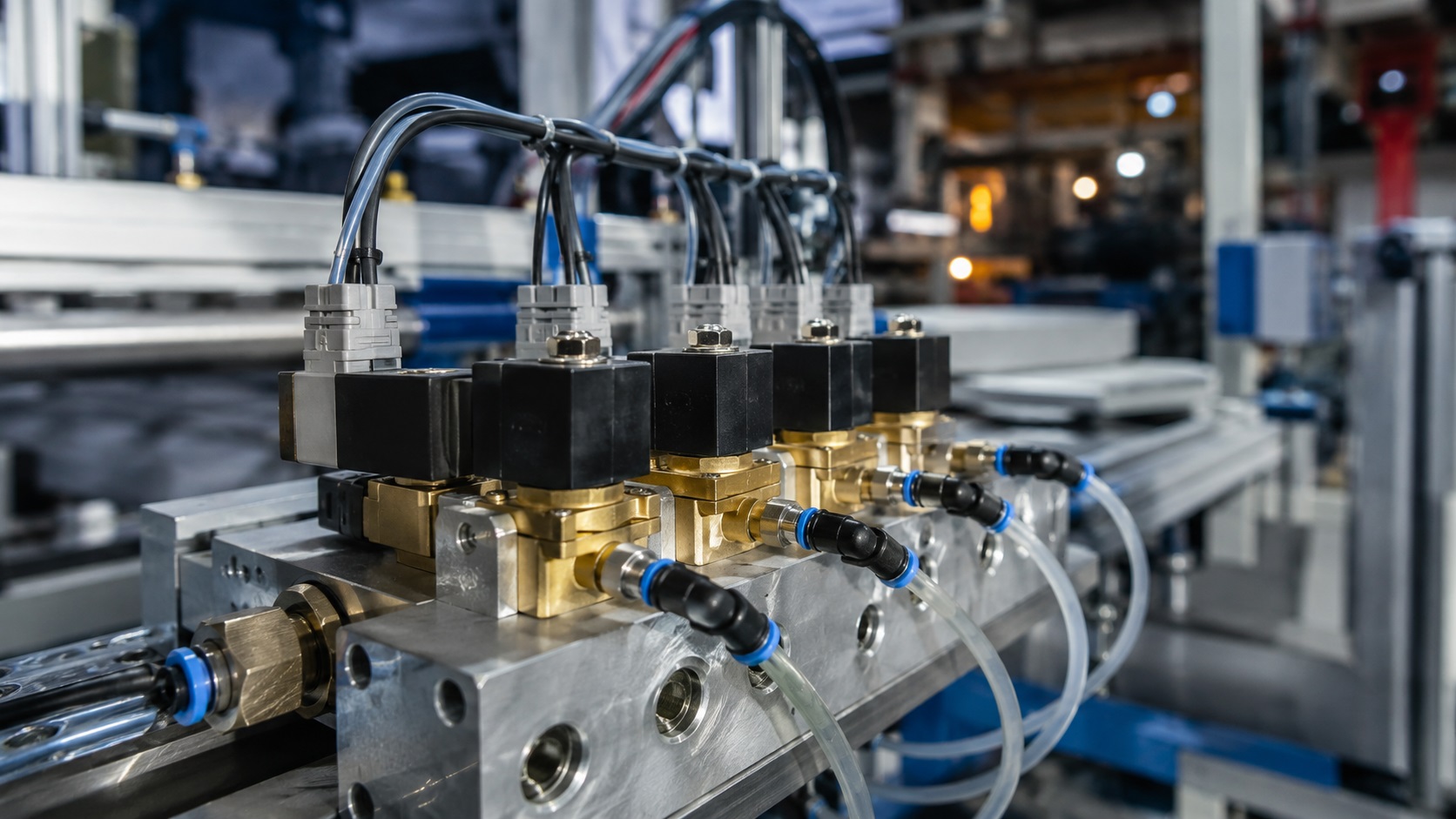
Industrial pneumatic solenoid valve mounted on automated air control manifold

Solenoid Valve Quick Answer A solenoid valve is an electrically controlled valve that uses a magnetic coil to open, close, or redirect fluid or air flow. They are widely used in pneumatic, hydraulic, water, fuel, and industrial automation systems because they allow fast and reliable flow control with minimal mechanical complexity. Why Solenoid Valves Matter … Read more