Heat Affected Zone in Flame Cutting: Causes, Problems, and Shop-Proven Fixes
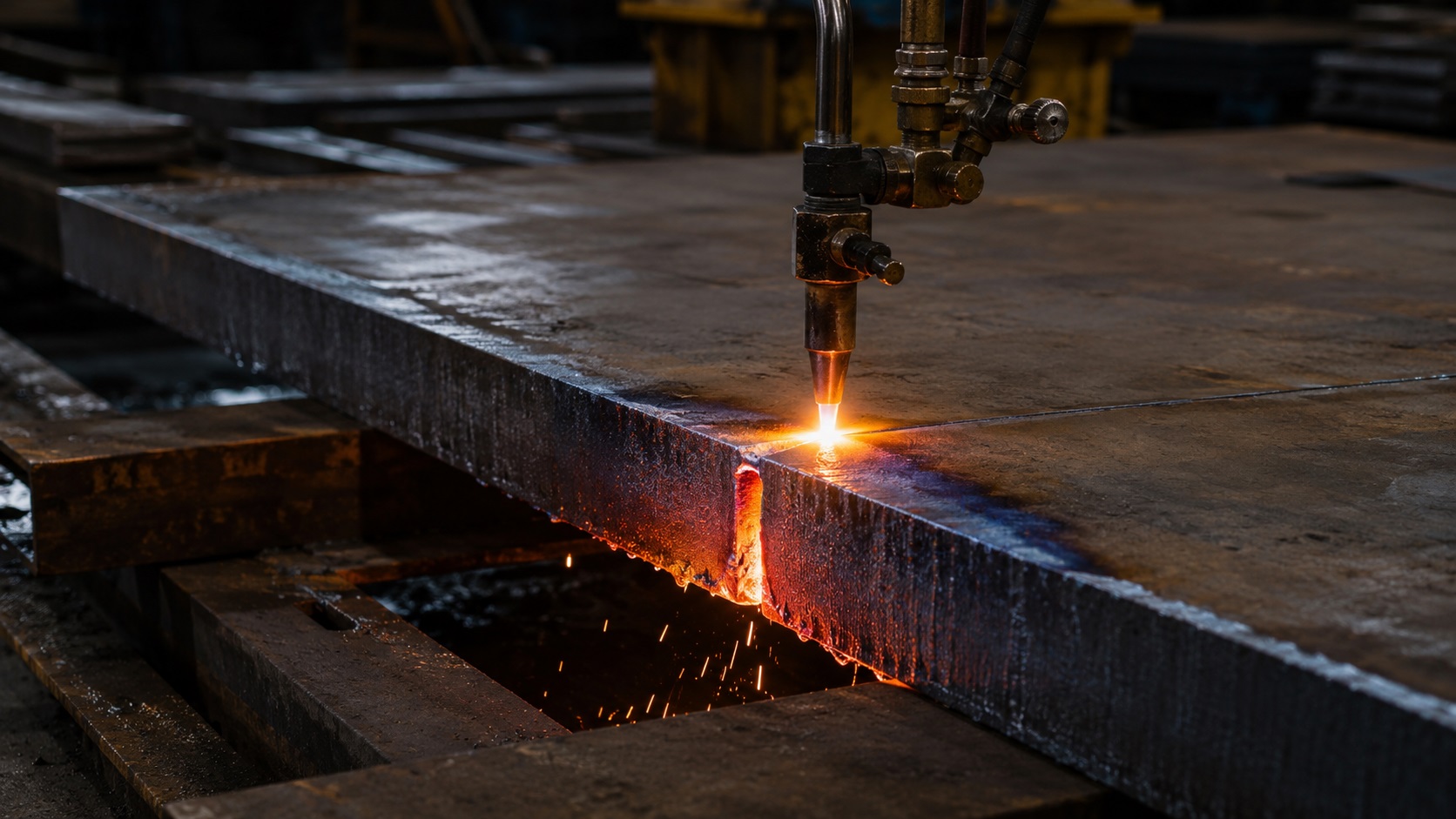
Oxy-fuel flame cutting creating visible heat affected zone on thick steel plate

What Happens to Steel During Flame Cutting? A heat affected zone (HAZ) in flame cutting is the section of metal next to the cut edge where the material’s microstructure changes because of high heat and rapid cooling. In carbon steels, this often creates harder and more brittle edges that can cause machining problems, cracking, distortion, … Read more

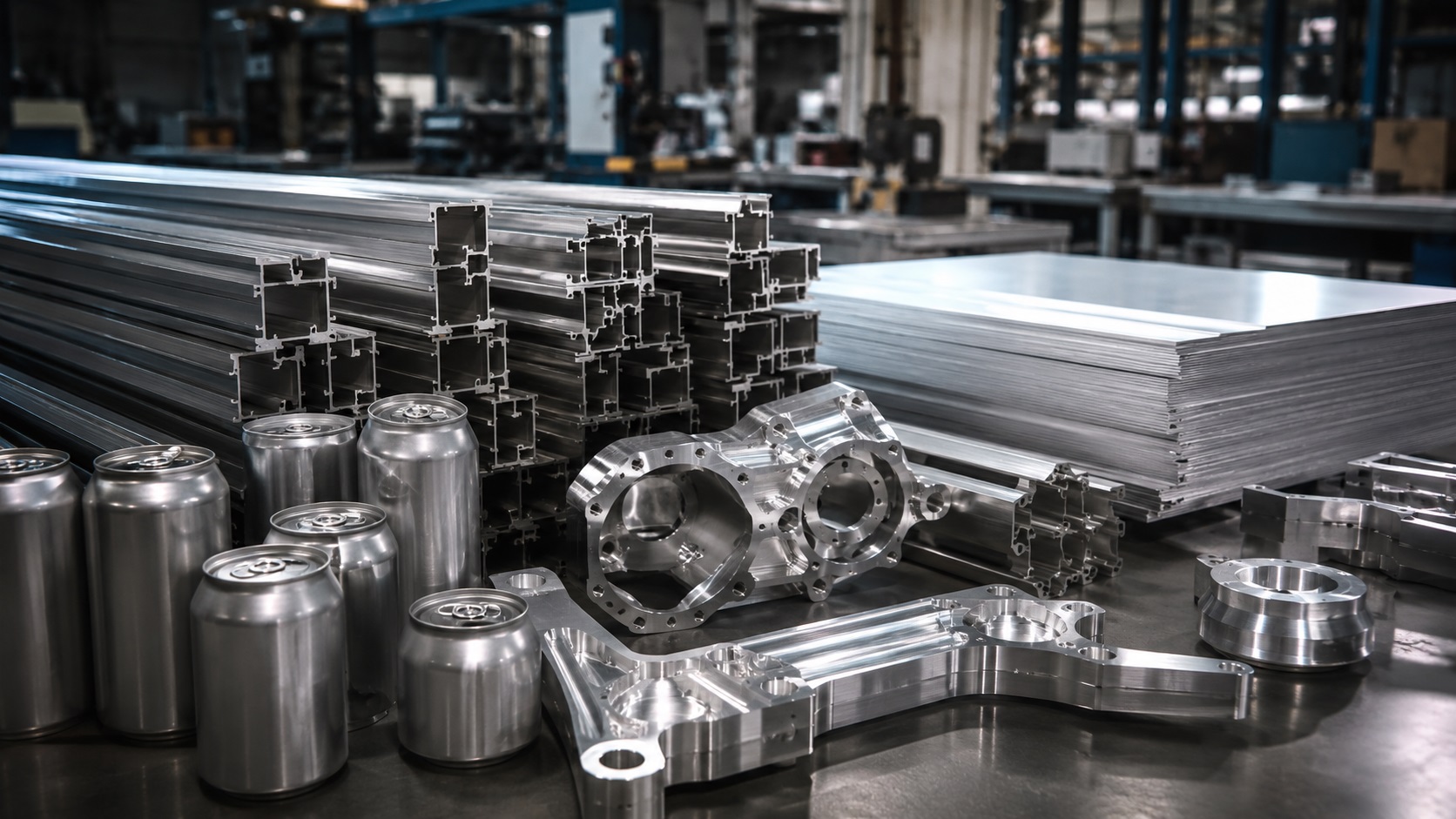
Common Uses of Aluminum in Everyday Life

Various everyday and industrial aluminum products inside a fabrication workshop

Why Aluminum Is Everywhere in Modern Life Common uses of aluminum can be seen everywhere in everyday life, from aircraft and power lines to smartphones, cookware, beverage cans, and modern buildings. Manufacturers use it because it’s easy to form, highly recyclable, strong for its weight, and excellent at transferring heat and electricity. Aluminum is one … Read more

How to Bend Metal Pipe Without Kinks or Collapse

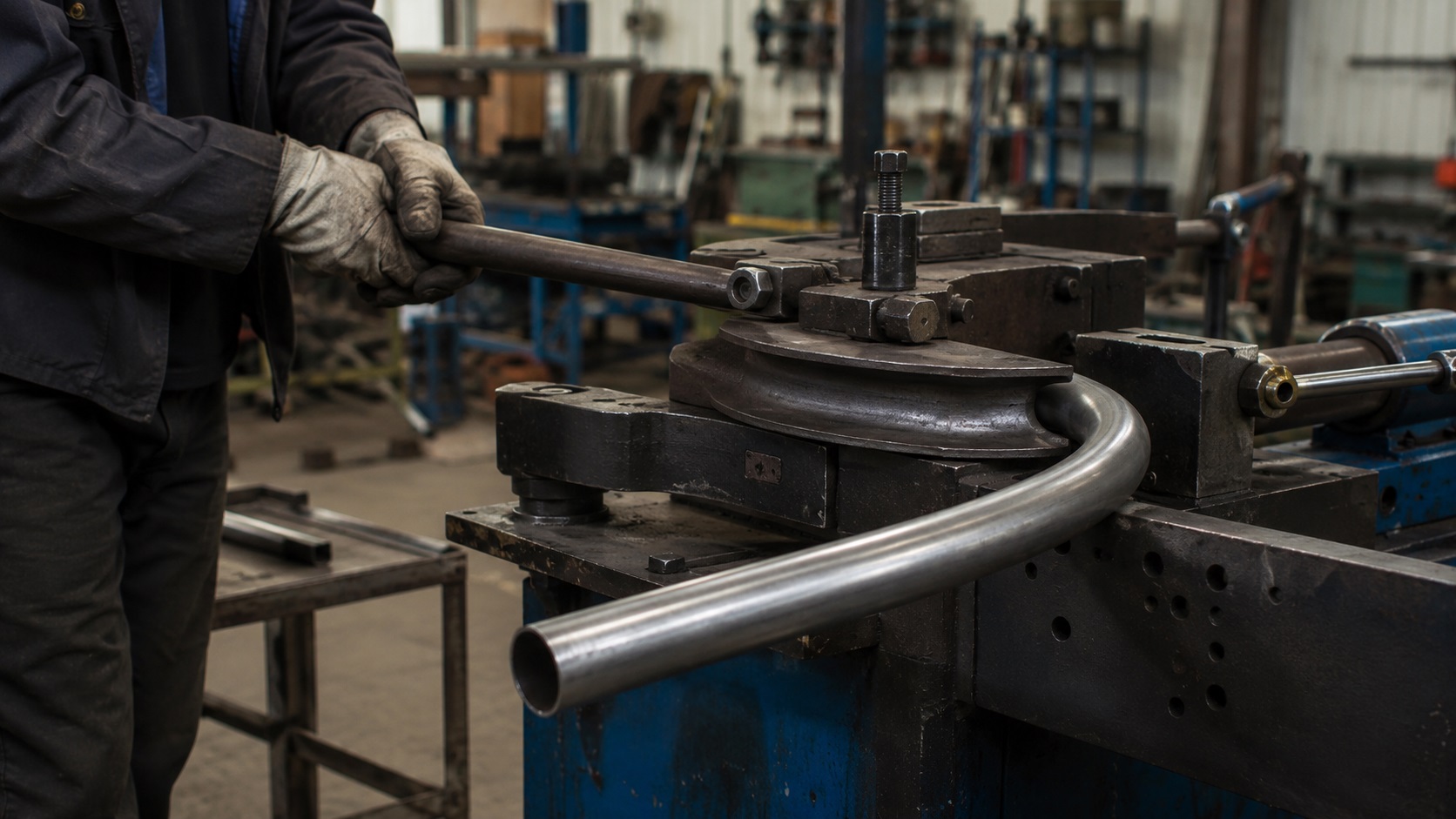
Hydraulic bending of steel tubing inside a fabrication workshop

Quick Answer: How to Bend Metal Pipe Without Kinks Bending metal pipe requires controlling wall collapse, wrinkling, and springback while maintaining the pipe’s internal shape. The cleanest bends come from using the correct bend radius, proper support tooling, and matching the bending method to the material and wall thickness. Thin-wall tubing usually needs a rotary … Read more

How to Machine Acrylic Without Melting or Cracking

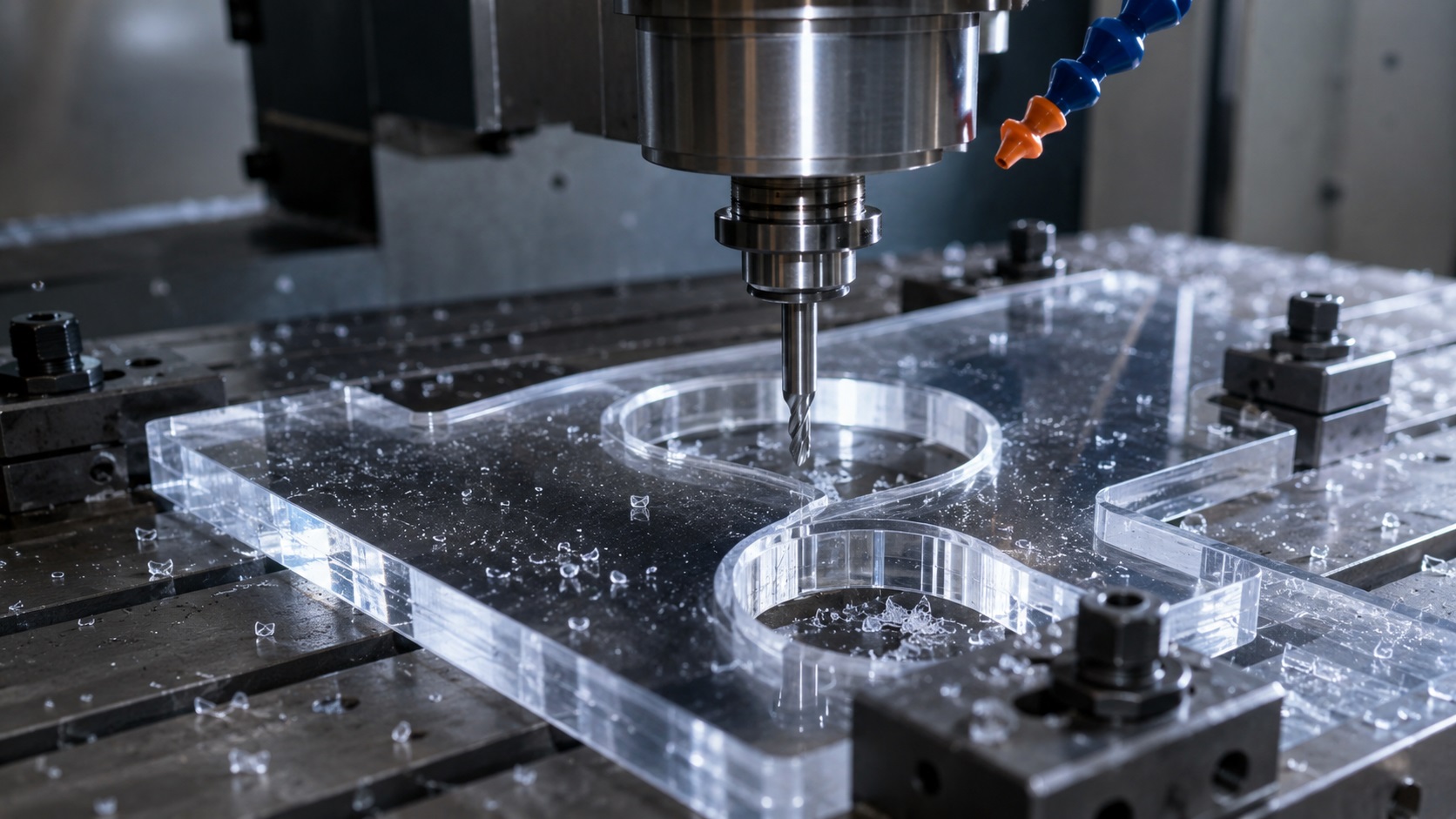
CNC machining acrylic sheet with polished carbide end mill

What Actually Matters When Machining Acrylic Acrylic machining is all about heat control, not cutting force. Use sharp carbide tools, preferably single or low-flute end mills, high feed rates with moderate RPM, and strong chip evacuation. Avoid rubbing at all costs—once acrylic heats up, it melts quickly and ruins surface finish almost instantly. Real Workshop … Read more

Trochoidal and Peel Milling Explained for CNC Machining

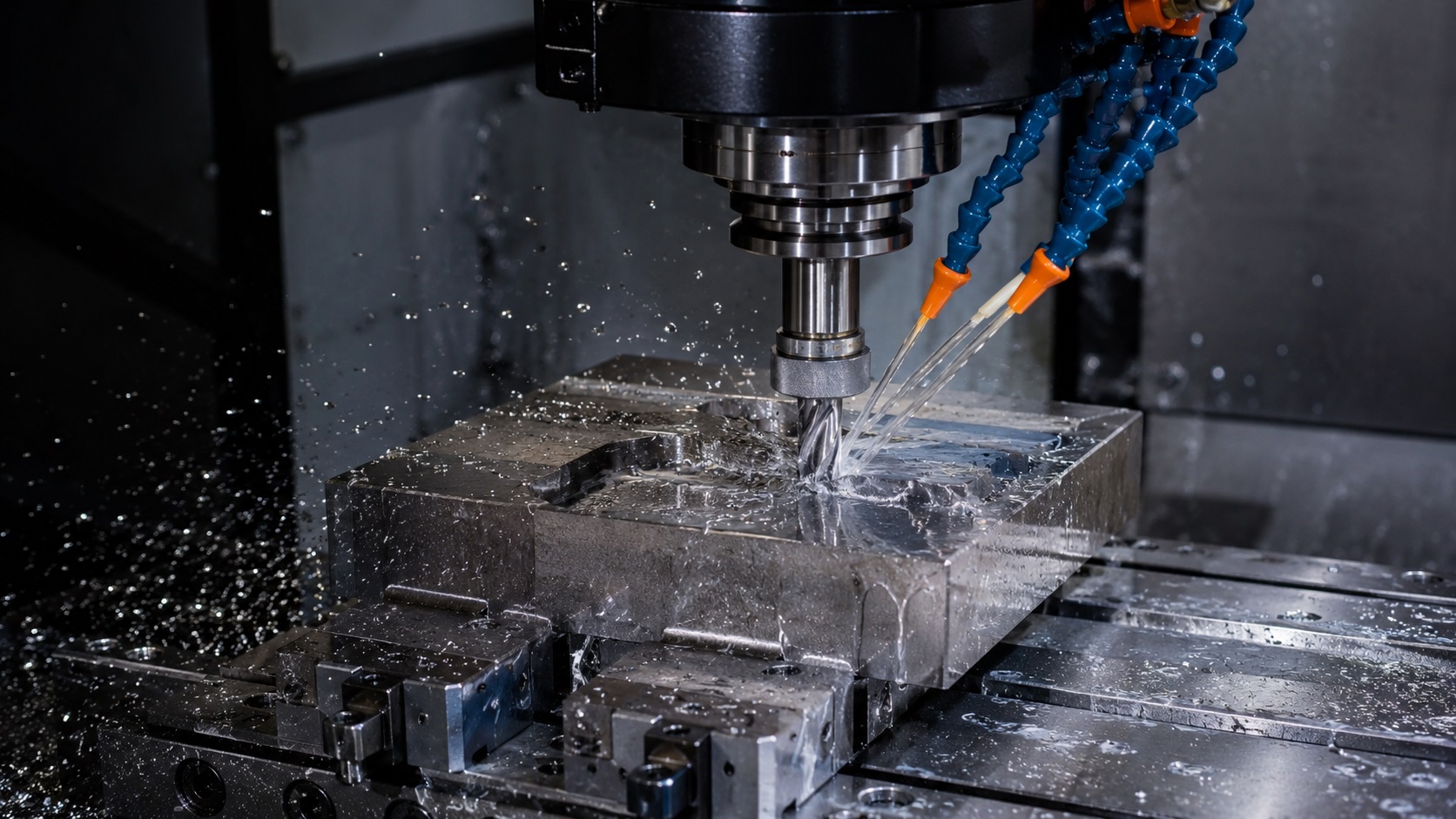
Trochoidal milling operation roughing hardened steel on a CNC machining center

Quick Answer: Trochoidal and Peel Milling in CNC Explained Trochoidal and peel milling are high-efficiency CNC machining strategies that use low radial engagement and deeper axial cuts to reduce chatter, improve chip evacuation, and increase tool life. These adaptive milling methods are commonly used for hardened steel, titanium, inconel, and deep pocket roughing operations. For … Read more

CNC Programming Errors and How to Prevent Machine Crashes

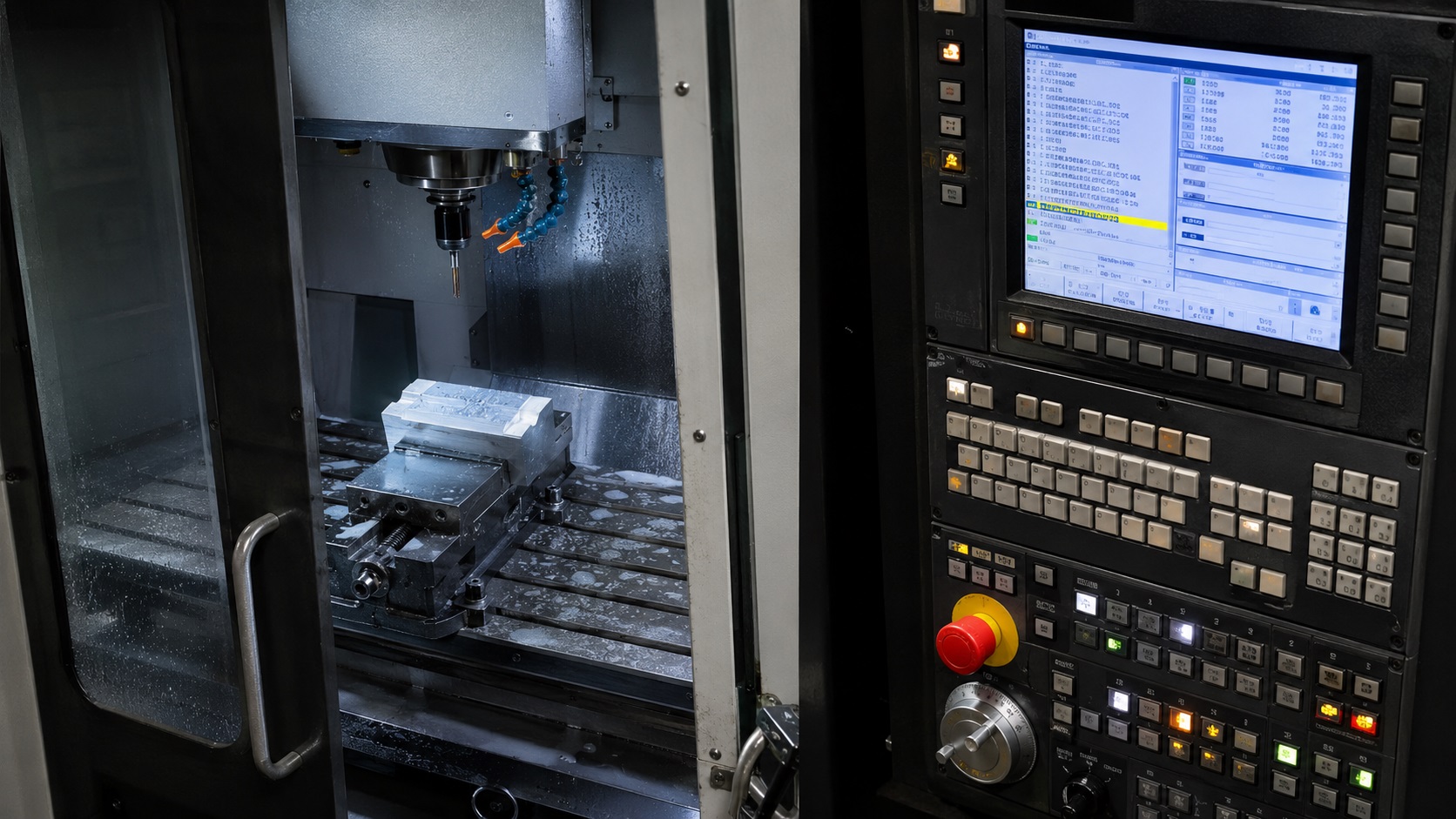
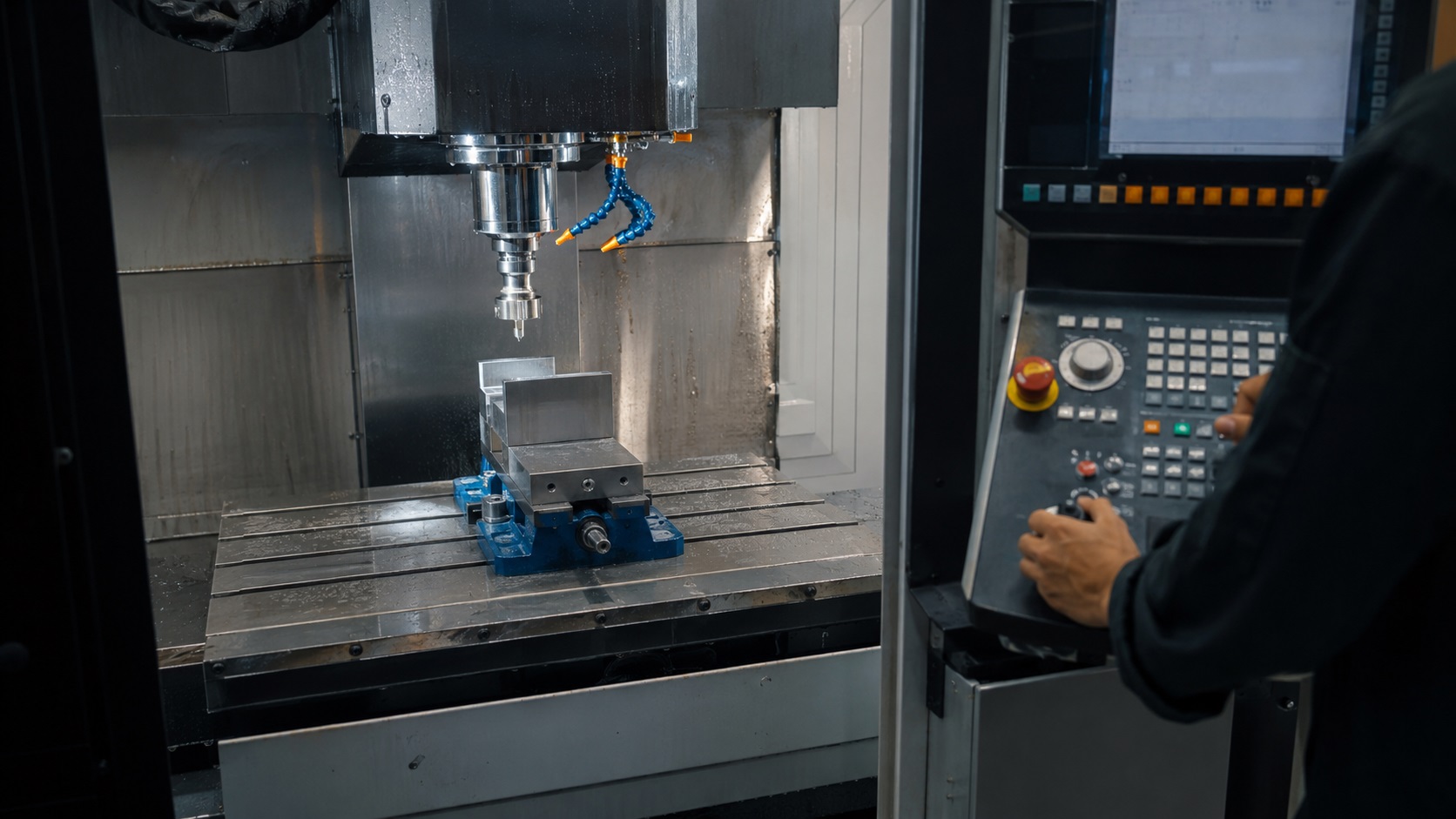
CNC machinist verifying a new machining program before production

The Short Answer CNC programming errors usually come from incorrect offsets, modal code mistakes, bad tool data, or unsafe setup verification. Most machine crashes happen during rapid moves, tool changes, or coordinate mismatches. Careful dry runs, consistent offset management, and proper simulation dramatically reduce CNC failures and expensive downtime. In real fabrication shops, CNC crashes … Read more

11 Common Uses of Copper in Wiring, Plumbing, and Industry

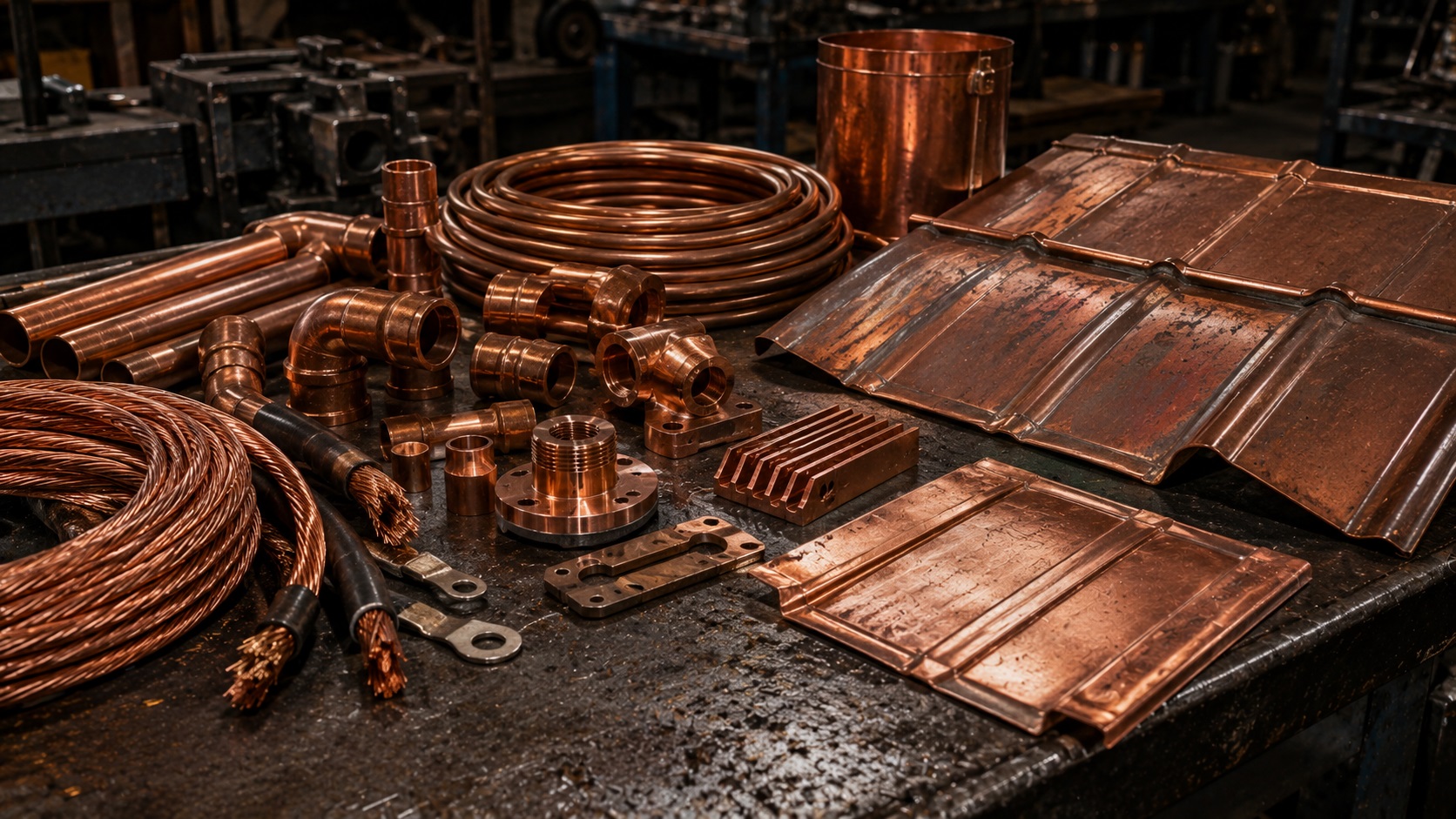
Copper wiring, plumbing pipes, and industrial copper components in fabrication workshop

Why Copper Remains Essential in Modern Industry Copper is widely used in electrical wiring, plumbing, roofing, cookware, machinery, and industrial fabrication because it conducts electricity and heat extremely well, resists corrosion, and is easy to form and machine. Its antimicrobial properties and recyclability also make it valuable in medical, architectural, and manufacturing applications. Copper is … Read more

Do Wrenches Make Good Knives?

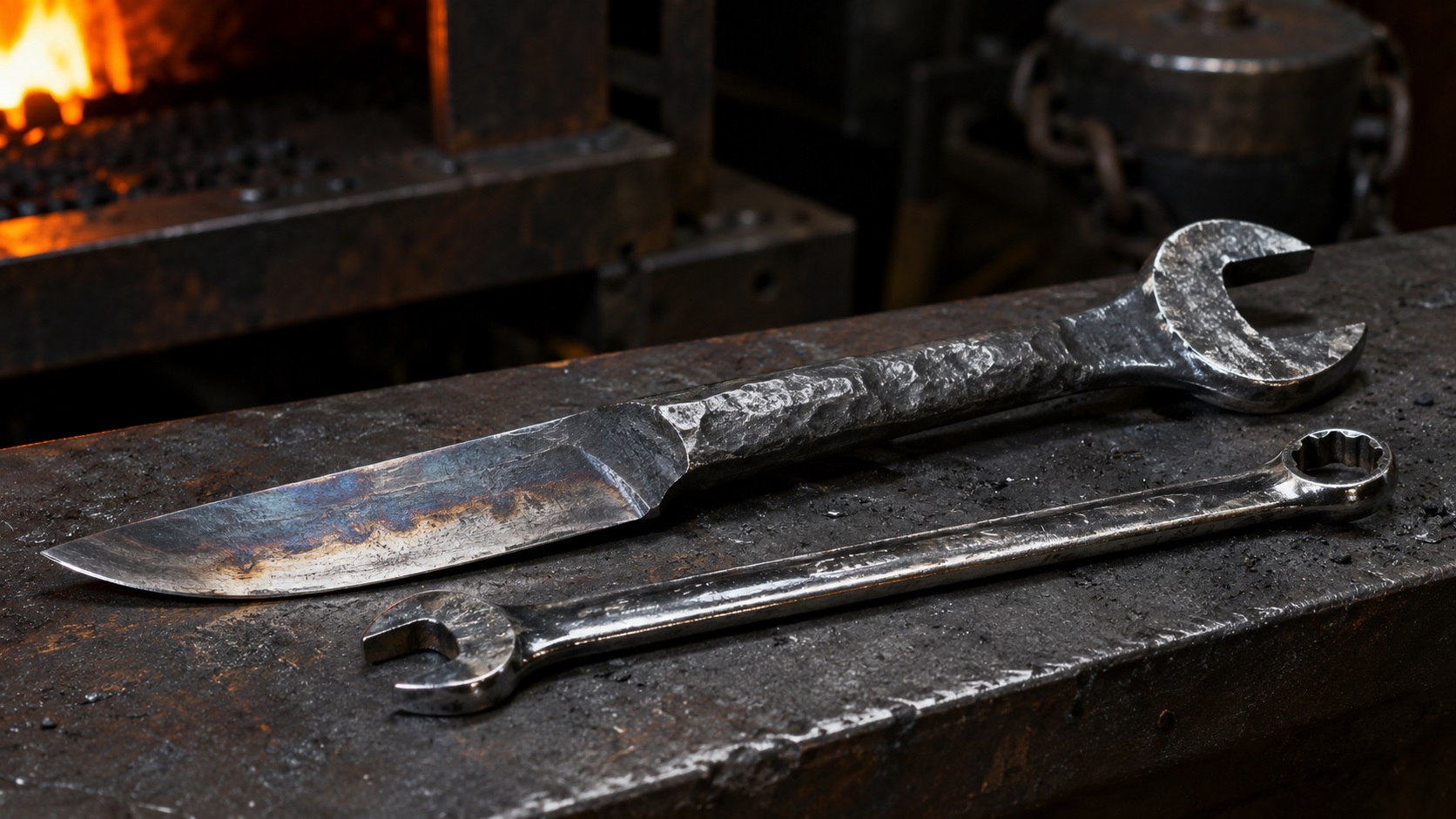
Forged knife made from an old chrome wrench on a blacksmith workbench

Is a Wrench Knife Actually Worth Making? Wrenches can be turned into functional knives, but they usually do not make excellent high-performance blades. Most wrench steels are medium-carbon chromium alloy steels designed for toughness rather than edge retention. A wrench knife can work well for light utility use, but it will typically dull faster than … Read more