
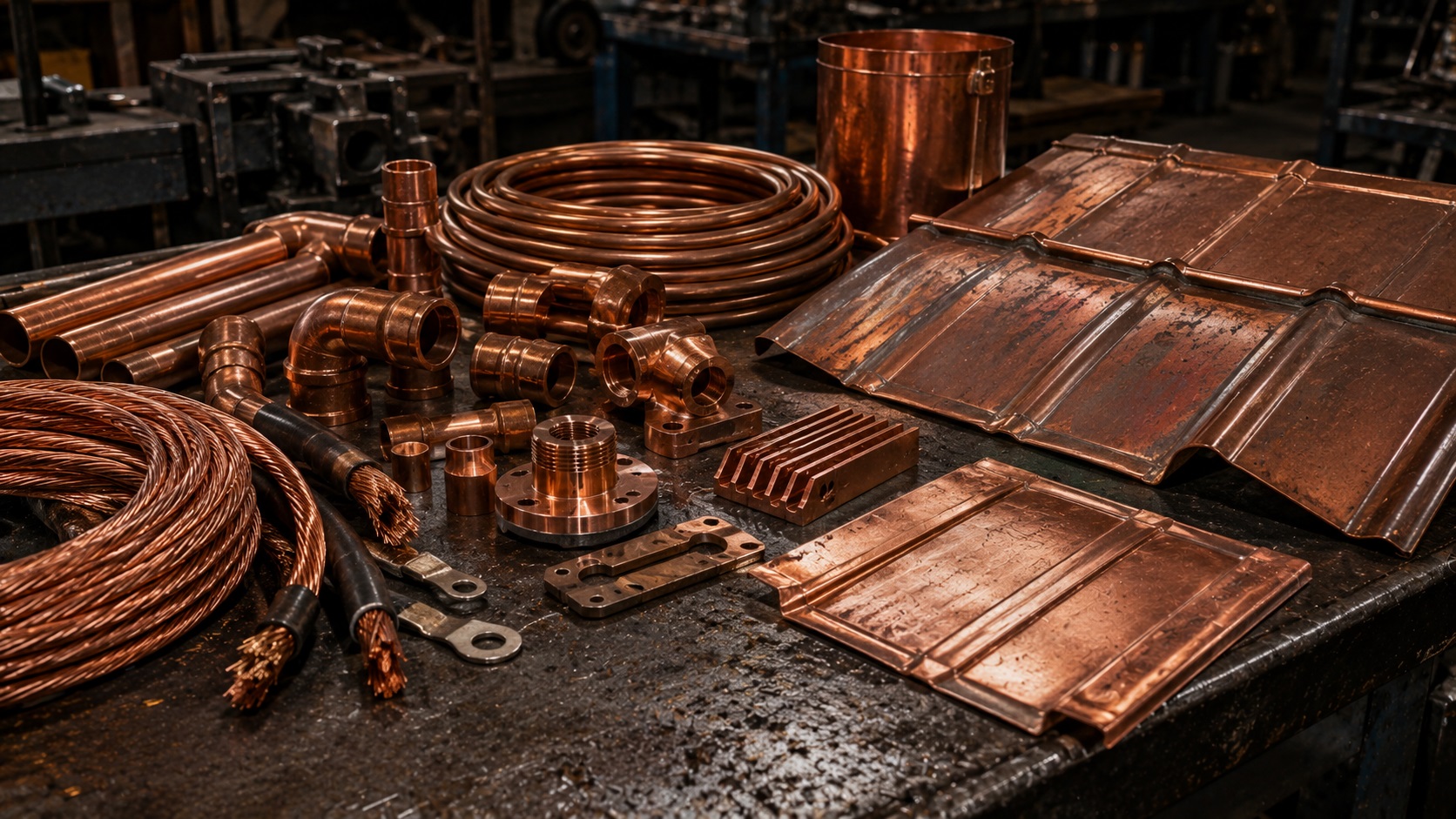
Why Copper Remains Essential in Modern Industry
Copper is widely used in electrical wiring, plumbing, roofing, cookware, machinery, and industrial fabrication because it conducts electricity and heat extremely well, resists corrosion, and is easy to form and machine. Its antimicrobial properties and recyclability also make it valuable in medical, architectural, and manufacturing applications.
Copper is one of those metals that shows up everywhere in fabrication shops, construction sites, machine rooms, and even kitchens. Most people think of copper as just electrical wire or plumbing pipe, but in real industrial environments, it does far more than that.
From real workshop experience, copper is one of the easiest metals to recognize once you start working around machinery regularly. You’ll notice it in welding cables, grounding systems, heat exchangers, CNC bus bars, bearings, roofing panels, and even anti-seize compounds.
What makes copper especially useful is that it combines several properties that rarely exist together in one material:
- Extremely high electrical conductivity
- Excellent thermal conductivity
- Strong corrosion resistance
- High ductility and malleability
- Natural antimicrobial behavior
- Easy alloying with other metals
That combination makes copper difficult to replace completely, even with cheaper alternatives like aluminum.
What Is Copper?
Copper is a naturally occurring non-ferrous metal known for its reddish-orange appearance and exceptional conductivity. It has been used for thousands of years in tools, architecture, coins, and electrical systems.
In modern fabrication and manufacturing, copper is commonly used in:
- Electrical systems
- Industrial motors
- Plumbing
- HVAC systems
- Heat exchangers
- Roofing
- Machined components
- Brass and bronze alloys
One thing machinists quickly learn is that pure copper behaves very differently from steel or aluminum during cutting operations. It’s softer, more “gummy,” and tends to smear on tooling if feeds and edge geometry are wrong.
Primary Entities
- copper
- copper wiring
- copper plumbing
- copper alloys
- electrical conductivity
- thermal conductivity
Secondary Entities
- brass
- bronze
- oxidation
- patina
- galvanic corrosion
- machinability
- thermal expansion
- antimicrobial surfaces
- electrical resistance
- heat transfer
Why Copper Is So Useful
Copper became an industrial standard because few materials balance conductivity, durability, corrosion resistance, and workability as effectively.
Key Properties of Copper
| Property | Why It Matters |
|---|---|
| High electrical conductivity | Efficient power transmission |
| Excellent heat transfer | Ideal for cookware and heat exchangers |
| Corrosion resistance | Long service life in plumbing and roofing |
| Malleability | Easy bending and forming |
| Ductility | Can be drawn into thin wires |
| Antimicrobial behavior | Useful for hospitals and touch surfaces |
| Recyclability | High scrap value and sustainability |
In real fabrication shops, copper’s softness can be both an advantage and a problem. It bends easily without cracking, but it can also deform during clamping or machining if operators apply too much pressure.
One common mistake DIY users make is overtightening copper tubing fittings. Because copper is relatively soft, it’s easy to crush tubing or distort flare connections.
Copper in Electrical Wiring
Electrical wiring is one of the most common uses of copper worldwide.
Copper conducts electricity extremely efficiently while also resisting fatigue cracking from vibration and repeated thermal expansion cycles.
Why Copper Is Used for Wiring
Copper wiring is preferred because it:
- Carries high electrical loads efficiently
- Generates less resistance heat
- Resists connection loosening
- Handles bending without fracturing
- Has long-term reliability
Copper is especially important in:
- Residential wiring
- Industrial panels
- CNC machinery
- Welding equipment
- Electric motors
- Grounding systems
Copper vs Aluminum Wiring
| Feature | Copper | Aluminum |
|---|---|---|
| Conductivity | Higher | Lower |
| Expansion rate | Lower | Higher |
| Connection reliability | Excellent | Can loosen over time |
| Corrosion resistance | Better | Oxidizes faster |
| Cost | Higher | Lower |
| Weight | Heavier | Lighter |
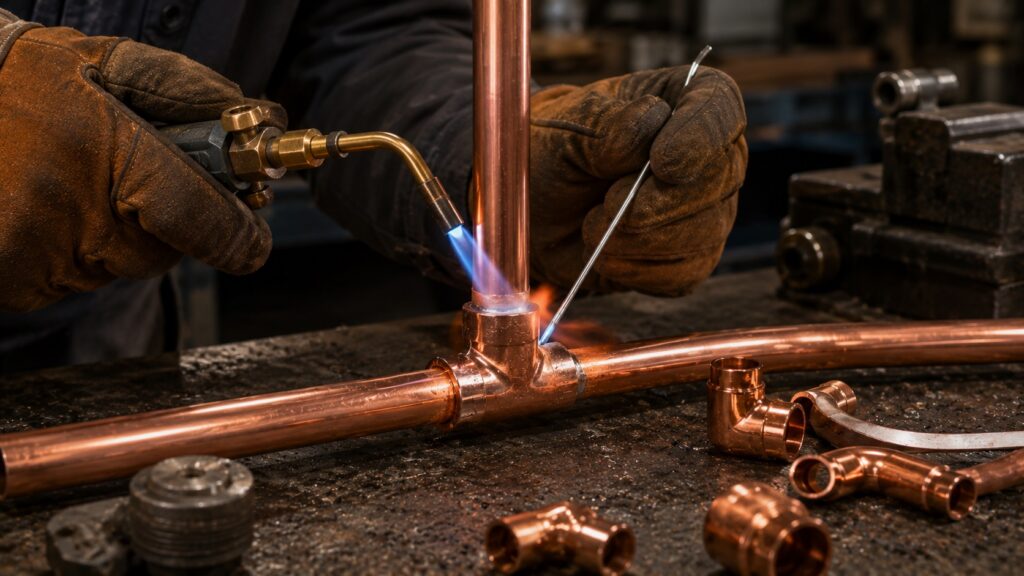
In older buildings, aluminum wiring sometimes develops overheating problems around terminals because thermal expansion cycles loosen the connections over time.
In industrial maintenance environments, burnt aluminum lugs are far more common than failed copper connections.
If you are comparing copper with aluminum in fabrication or repair work, this guide on does welding aluminum weaken it? gives useful context on how aluminum behaves differently under heat.
Internal link opportunity:
- aluminum vs copper wiring
- electrical grounding systems
- industrial motor wiring
Copper in Plumbing Systems
Copper pipe became a plumbing standard because it combines durability, temperature resistance, and corrosion protection.
Common Plumbing Applications
- Residential water lines
- Hydronic heating
- Refrigeration systems
- HVAC refrigerant lines
- Commercial water systems
Copper handles hot water extremely well and tolerates pressure fluctuations better than many plastic alternatives.
From real workshop experience, older copper plumbing systems often outlast the equipment connected to them.
Why Plumbers Still Use Copper
| Advantage | Benefit |
|---|---|
| Corrosion resistance | Long lifespan |
| Antimicrobial surface | Cleaner water systems |
| High temperature capability | Safe for hot water |
| UV resistance | Suitable for exposed areas |
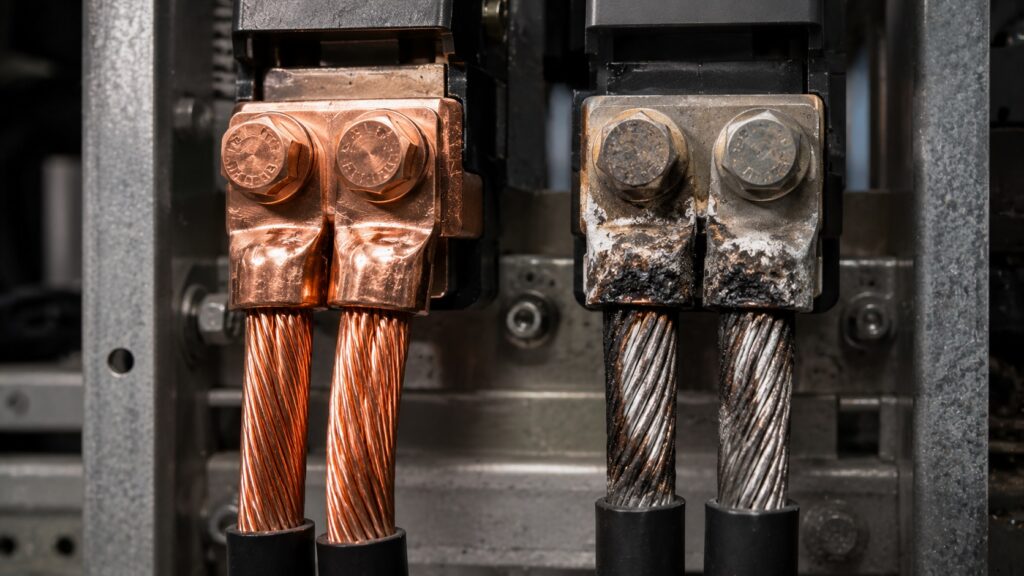
| Easy soldering | Reliable leak-free joints |
However, copper is not perfect.
Highly acidic water can slowly attack copper tubing, causing pinhole leaks over time. In fabrication facilities using aggressive chemicals, copper systems may require protective coatings or alternative materials.
One common installation mistake is overheating copper joints during soldering. Excess heat oxidizes the tubing internally and weakens solder flow.
That same heat-control principle also matters in metal repair work, especially when welding sensitive materials. You can see a related example in how to weld cast iron.
You’ll usually notice burnt flux residue and dark scaling when a fitting was overheated.
Internal link opportunity:
- how to solder copper pipe
- HVAC refrigeration tubing
- preventing galvanic corrosion
Copper Alloys: Brass and Bronze
Copper is also heavily used in alloy production. This is one reason copper fits naturally into the broader family of metals used in fabrication, machining, and repair. For a wider material overview, see different types of stainless steel.
The two most common copper alloys are brass and bronze.
Brass
Brass is primarily copper and zinc.
It’s commonly used for:
- Valves
- Fittings
- Decorative hardware
- Musical instruments
- Bushings
Brass machines far easier than pure copper because zinc improves chip formation and reduces smearing.
Machinists often prefer brass for high-speed CNC work because it produces clean chips and excellent surface finishes.
Bronze
Bronze is mainly copper and tin.
It’s known for:
- Wear resistance
- Low friction
- High strength
- Corrosion resistance
Common bronze applications include:
- Bearings
- Marine hardware
- Bushings
- Gears
- Heavy equipment wear surfaces
In real fabrication shops, bronze bushings are commonly used in dirty environments where rolling bearings would fail quickly from contamination.
Internal link opportunity:
- brass vs bronze
- bearing material selection
- machinability of non-ferrous metals
Copper in Heat Transfer Applications
Copper transfers heat extremely efficiently, making it essential for thermal systems.
Common Heat Transfer Uses
- Radiators
- Heat exchangers
- HVAC coils
- CPU coolers
- Induction systems
- Industrial chillers
Copper’s thermal conductivity allows rapid heat movement with minimal temperature loss.
That’s why many industrial cooling systems still rely on copper tubing despite rising material costs.
Real Workshop Observation
Copper heat exchanger fins bend very easily during maintenance cleaning.
Many technicians accidentally reduce airflow performance by using excessive air pressure or aggressive brushes during cleaning.
Bent fins reduce cooling efficiency dramatically.
Copper in Roofing and Architecture
Copper roofing has been used for centuries because of its corrosion resistance and extremely long lifespan.
One of copper’s most recognizable features is the green patina that forms over time.
That oxidation layer actually protects the metal underneath.
Architectural Uses of Copper
- Roofing
- Flashing
- Gutters
- Decorative panels
- Historic restoration
- Building facades
Why Copper Roofs Last So Long
| Factor | Result |
|---|---|
| Protective patina formation | Reduced corrosion |
| UV resistance | Minimal sun damage |
| Thermal stability | Low cracking risk |
| Non-rusting surface | Long-term durability |
In real fabrication work, thin copper sheet dents surprisingly easily during installation.
Many first-time installers damage expensive copper panels simply by kneeling on unsupported sections.
Copper in Cookware
Copper cookware heats extremely fast and responds quickly to temperature changes.
That makes it useful for:
- Precision cooking
- Sauces
- Delicate proteins
- Fast thermal control
Why Copper Pans Perform Differently
Compared to cast iron or stainless steel, copper transfers heat much faster.
| Material | Heat Response |
|---|---|
| Copper | Very fast |
| Aluminum | Fast |
| Stainless steel | Moderate |
| Cast iron | Slow but stable |
However, raw copper should not directly contact acidic food.
Acids can dissolve small amounts of copper into food, which is why most copper cookware uses stainless or tin linings.
One thing many DIY restorers overlook is that worn copper cookware linings eventually need professional re-tinning.
Copper in Industrial Machinery
Copper appears throughout industrial equipment, even when it isn’t immediately visible.
Industrial Copper Applications
- Motor windings
- Transformer coils
- Bus bars
- Welding cables
- Grounding straps
- Induction systems
- CNC electronics
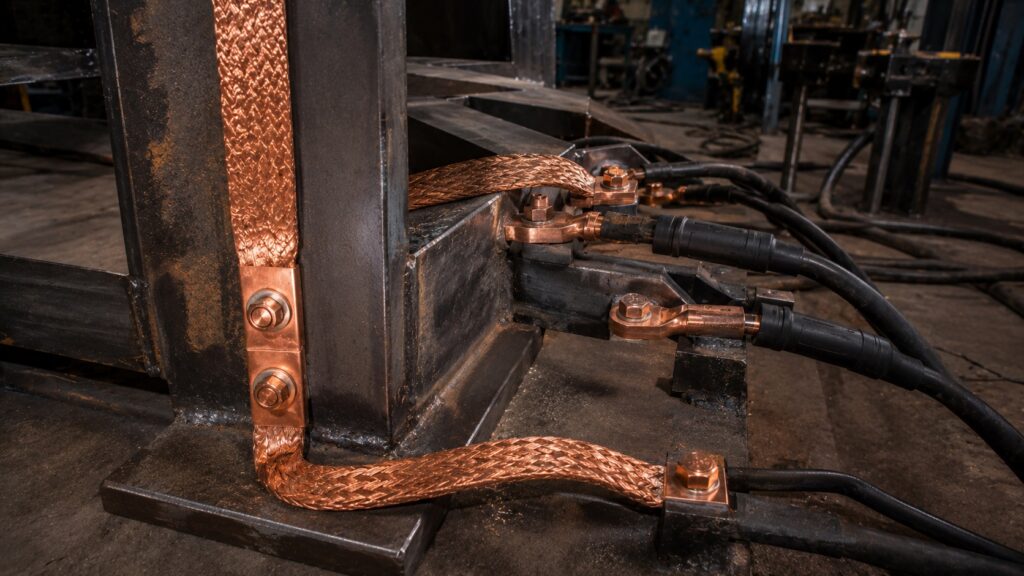
Copper is also common around CNC machines because electrical reliability, grounding, and heat control all affect machine performance. If you are new to that side of the shop, start with CNC basics.
Large industrial motors can contain massive amounts of copper because efficient electrical transfer reduces heat generation and power loss.
In fabrication shops, damaged copper welding cable strands are a common hidden failure point. The outside insulation may look fine while internal strands are fractured from repeated flexing.
That increases resistance and causes cable overheating.
Common Problems With Copper
Despite its advantages, copper does have limitations.
Common Copper Issues
| Problem | Cause |
|---|---|
| Oxidation | Air exposure |
| Galvanic corrosion | Dissimilar metal contact |
| Work hardening | Repeated bending |
| Tool smearing during machining | Incorrect feeds/speeds |
| Pinhole plumbing leaks | Acidic water |
| Denting | Soft material structure |
Galvanic Corrosion Warning
One common fabrication mistake is directly connecting copper to aluminum or untreated steel in wet environments.
That creates galvanic corrosion, where one metal sacrifices itself electrically.
You’ll often see this around HVAC systems, marine hardware, or poorly isolated plumbing systems.
Internal link opportunity:
- galvanic corrosion prevention
- copper machining tips
- non-ferrous metal fabrication
Is Copper Easy to Machine?
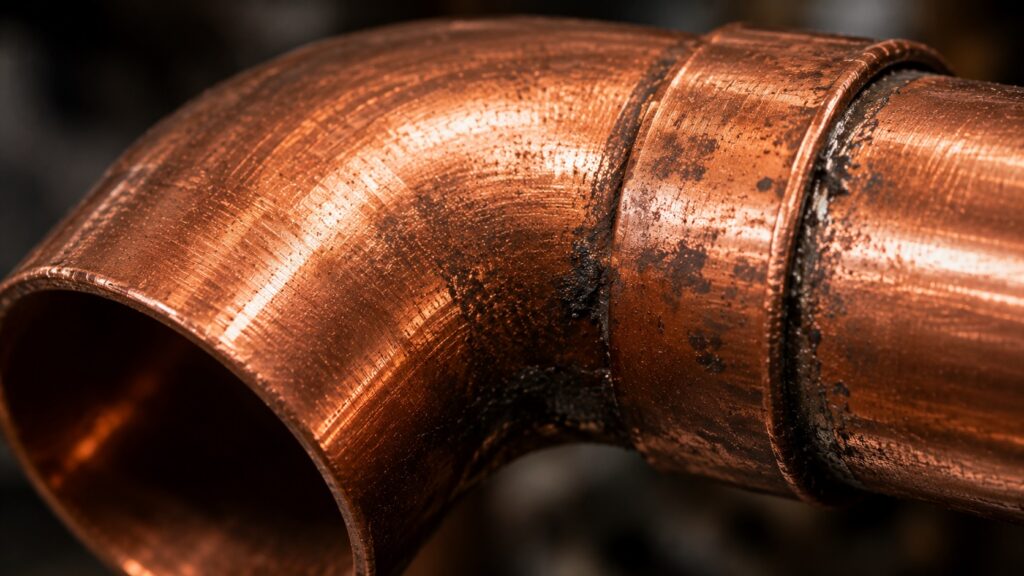
Copper is machinable, but it behaves differently than steel or aluminum.
Pure copper tends to:
- Produce long stringy chips
- Smear across cutting edges
- Generate heat quickly
- Stick to tooling
Machining Tips for Copper
| Tip | Why It Helps |
|---|---|
| Use razor-sharp tooling | Reduces smearing |
| Increase rake angle | Improves chip flow |
| Avoid dull inserts | Prevents built-up edge |
| Use proper coolant | Controls heat |
| Maintain chip evacuation | Prevents recutting |
From real machining experience, free-machining brass is dramatically easier to cut than pure copper.
Many shops avoid machining pure copper whenever a brass alternative can work.
If you want to understand how machining choices affect tools, chips, and surface finish, this beginner guide to what is CNC machining is a good next read.
Common Mistakes When Working With Copper
Overheating During Soldering
Excessive heat oxidizes copper rapidly and weakens joints.
Mixing Metals Incorrectly
Copper touching steel or aluminum without isolation can accelerate corrosion.
Using Dull Cutting Tools
Copper quickly reveals dull tooling through smearing and poor finishes. Dull tools create similar problems across many metals, not just copper. For a practical hardness-related example, see how to check the hardness of metal.
Excessive Bending
Repeated forming work-hardens copper and eventually causes cracking.
Ignoring Oxidation
Surface oxidation increases electrical resistance on terminals and grounding points.
Professional Tips for Working With Copper
- Clean oxidation before electrical connections
- Use anti-seize on threaded copper systems
- Deburr tubing carefully to maintain flow
- Avoid contamination during brazing
- Support long copper runs properly to prevent vibration fatigue
- Use dedicated cutting tools for soft non-ferrous metals
In real fabrication environments, clean copper surfaces matter far more than many beginners realize.
Even light oxidation can affect solder flow, electrical resistance, or brazing quality.
Common Copper Questions Answered
Why is copper used in electrical wiring?
Copper is used because it has extremely high electrical conductivity, excellent flexibility, and strong long-term reliability under thermal cycling.
Can copper rust?
Copper does not rust like steel because rust specifically refers to iron oxide. Copper instead develops a protective oxidation layer called patina.
Is copper better than aluminum?
For conductivity and connection reliability, copper is generally better. Aluminum is lighter and cheaper but expands more and is more prone to connection issues.
Why does copper turn green?
Copper turns green because oxidation creates a protective patina layer. This layer slows further corrosion.
Is copper cookware safe?
Copper cookware is safe when properly lined with materials like stainless steel or tin. Bare copper can react with acidic foods.
Can copper be welded?
Copper can be welded, but its high thermal conductivity makes heat control difficult. TIG welding and brazing are more common in fabrication environments.
Why Copper Continues to Dominate Industrial Applications
Copper remains one of the most important industrial metals because it solves multiple engineering problems simultaneously.
It conducts electricity efficiently, transfers heat rapidly, resists corrosion, forms easily, and survives decades of service in demanding environments.
Even with rising material costs, copper still dominates electrical infrastructure, plumbing, industrial machinery, and thermal systems because replacing all of its advantages at once is extremely difficult.
From real workshop experience, copper is one of those materials that rewards proper handling but quickly exposes poor workmanship. Whether it’s soldering, machining, bending, or electrical termination, small mistakes become visible fast.
That’s one reason experienced fabricators still respect working with copper despite how common it seems.