Common Uses of Aluminum in Everyday Life

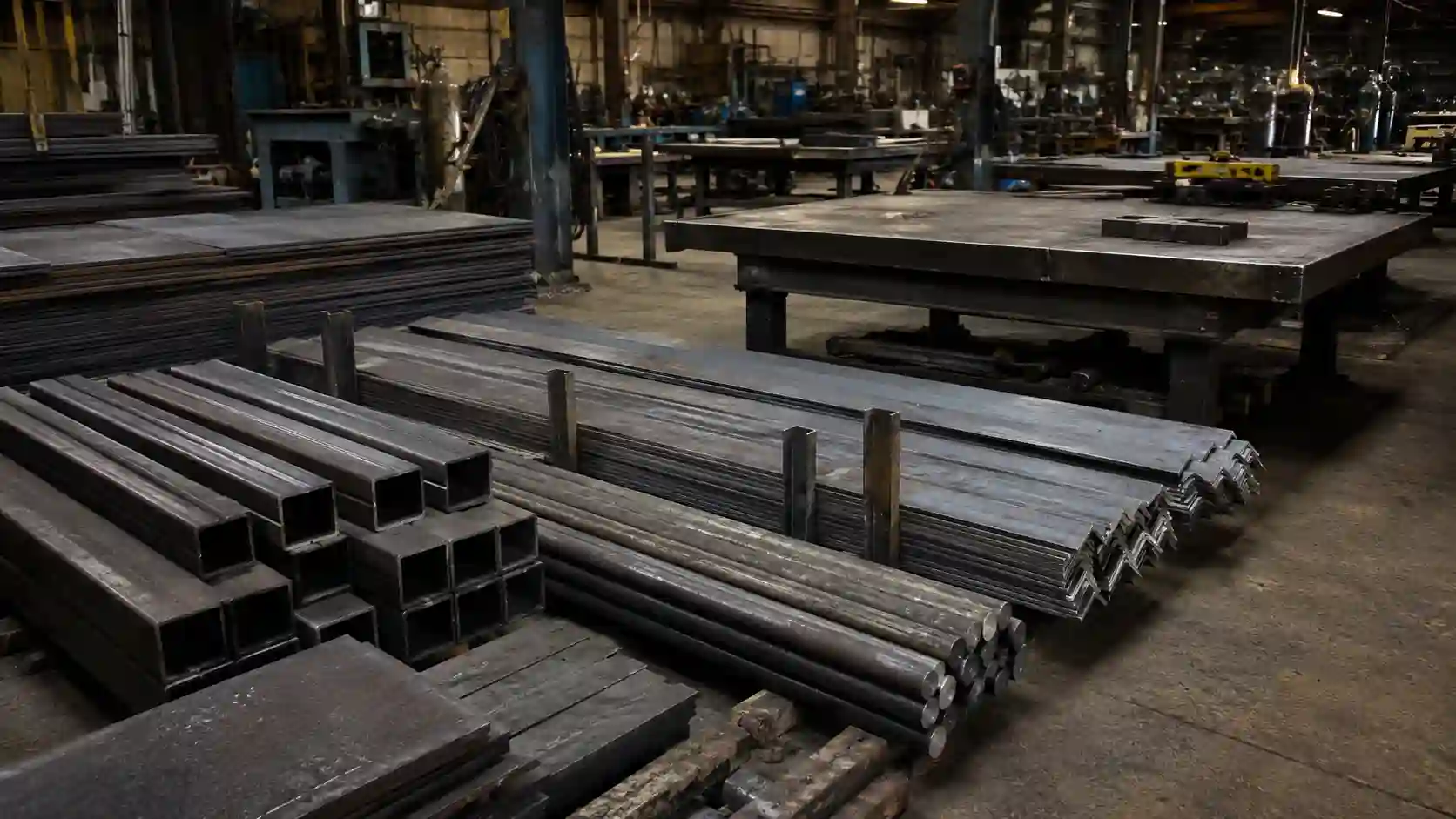
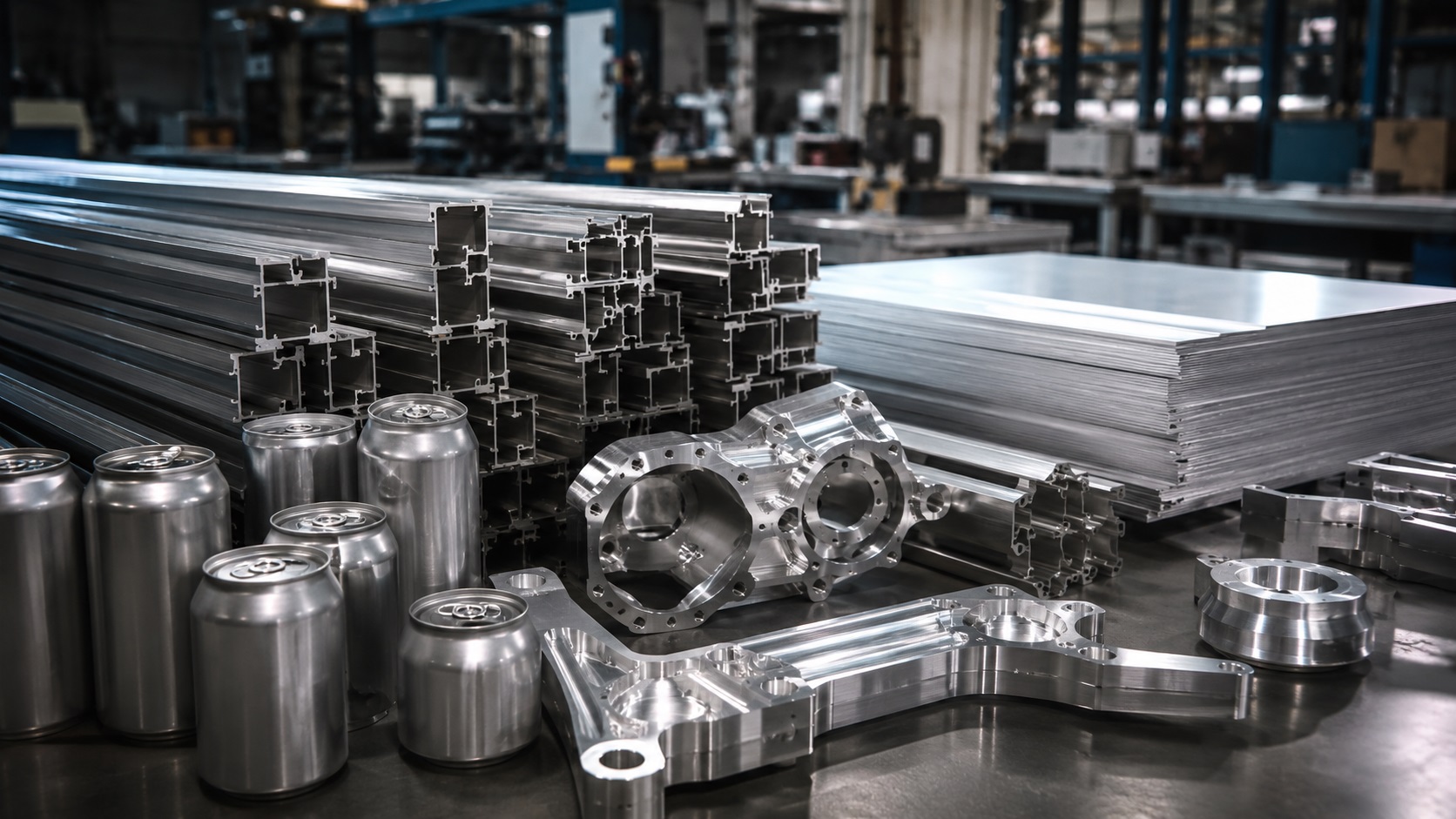
Various everyday and industrial aluminum products inside a fabrication workshop

Why Aluminum Is Everywhere in Modern Life Common uses of aluminum can be seen everywhere in everyday life, from aircraft and power lines to smartphones, cookware, beverage cans, and modern buildings. Manufacturers use it because it’s easy to form, highly recyclable, strong for its weight, and excellent at transferring heat and electricity. Aluminum is one … Read more

11 Common Uses of Copper in Wiring, Plumbing, and Industry

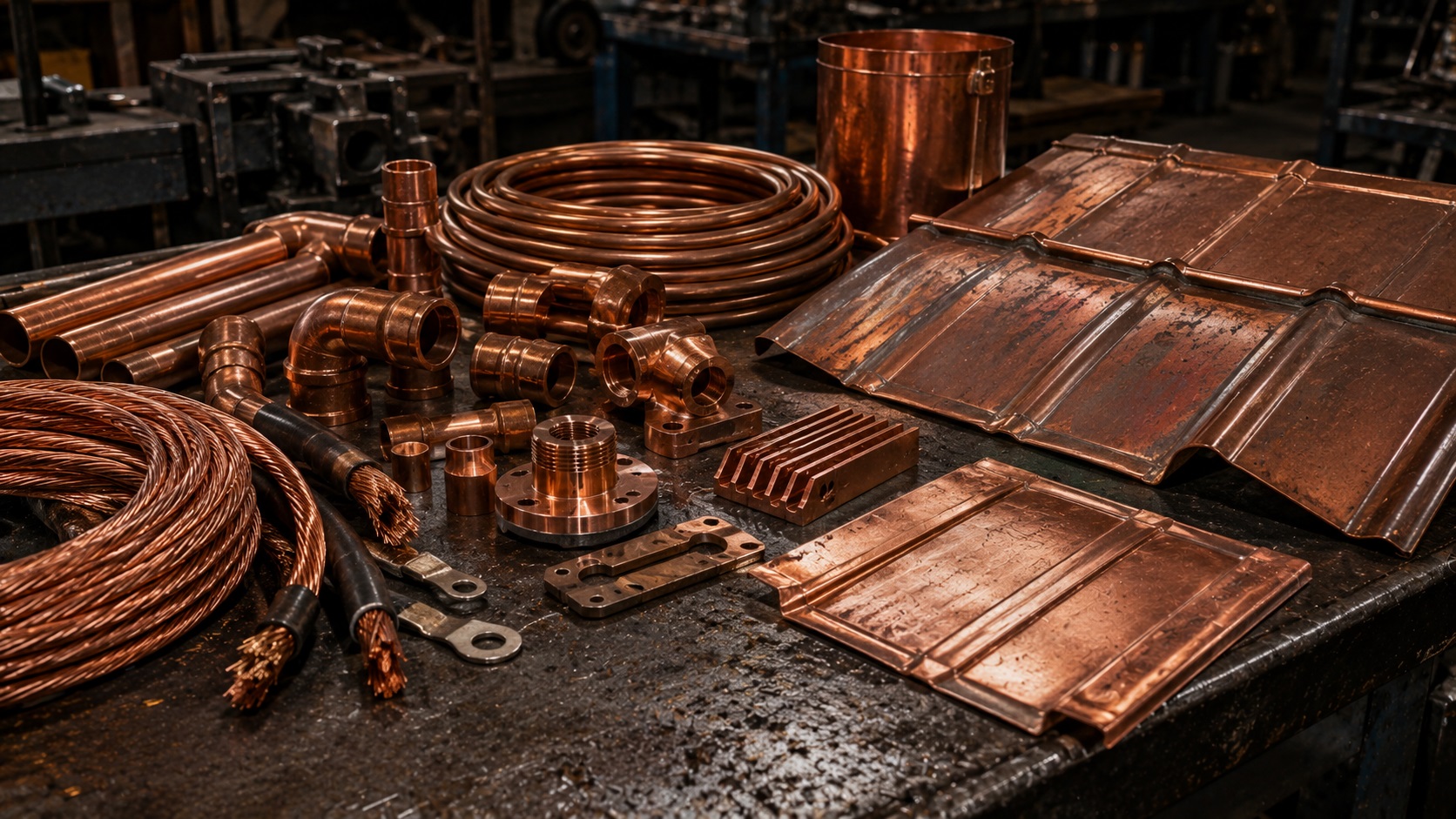
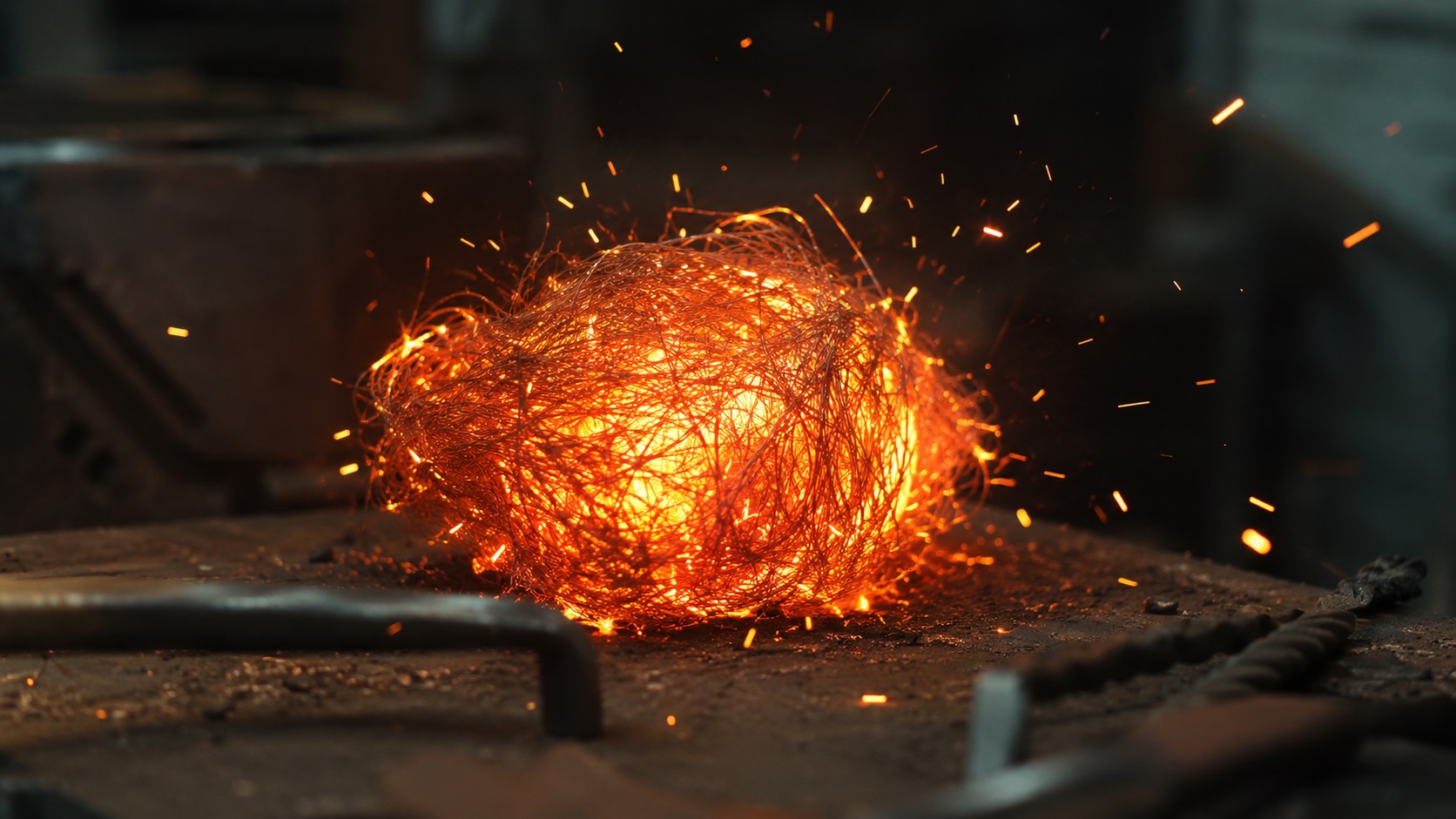
Copper wiring, plumbing pipes, and industrial copper components in fabrication workshop

Why Copper Remains Essential in Modern Industry Copper is widely used in electrical wiring, plumbing, roofing, cookware, machinery, and industrial fabrication because it conducts electricity and heat extremely well, resists corrosion, and is easy to form and machine. Its antimicrobial properties and recyclability also make it valuable in medical, architectural, and manufacturing applications. Copper is … Read more

Do Nonferrous Metals Rust? The Truth About Titanium & Aluminum

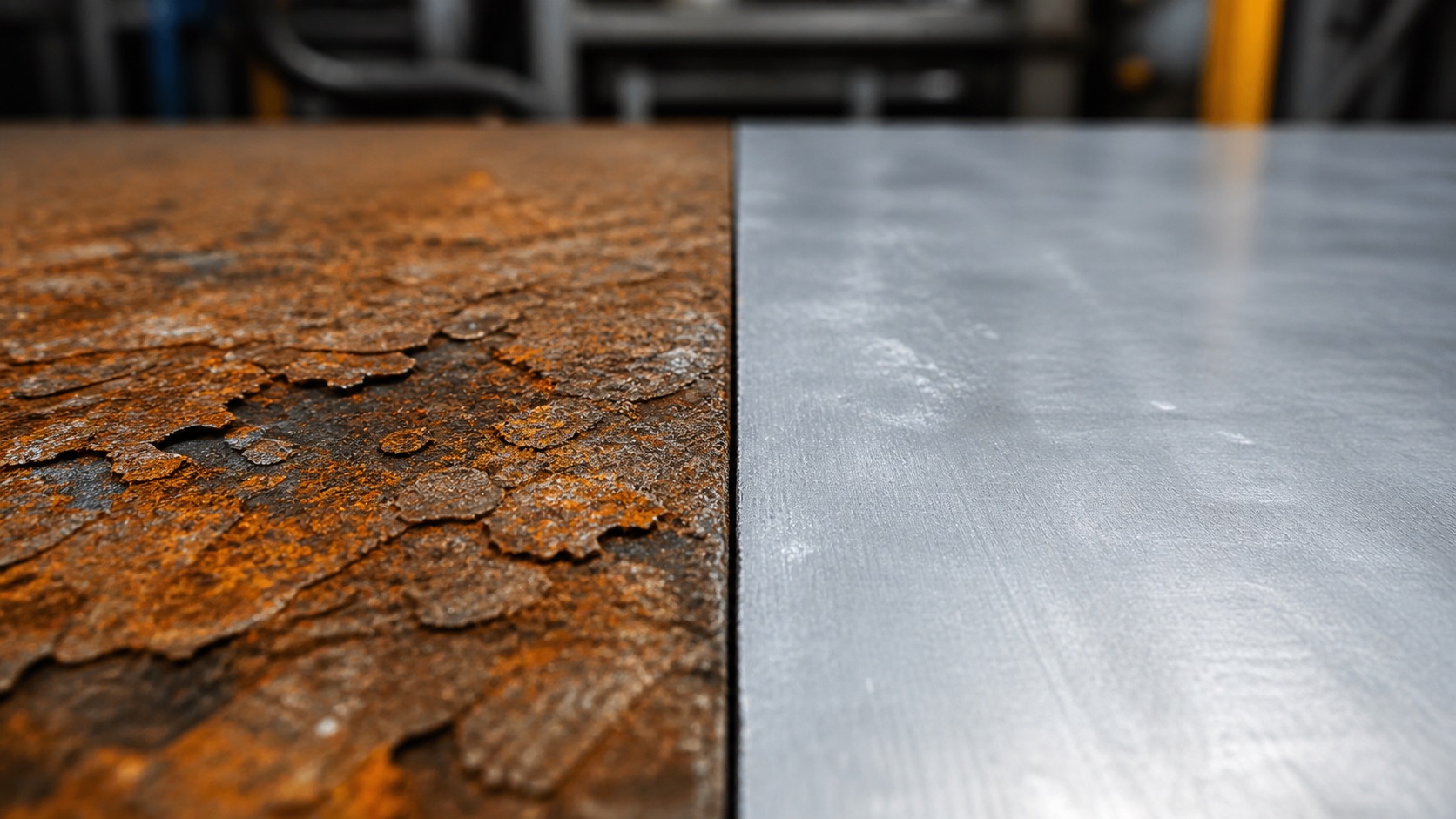
do nonferrous metals rust comparison between steel and aluminum

Do nonferrous metals rust? No—because rust requires iron, and these metals typically contain less than 1% iron by weight. Instead, they form stable oxide layers that protect against further damage. While they resist rust entirely, they can still corrode under specific environmental conditions. This difference becomes especially important in engineering decisions, where choosing the wrong … Read more

Why Does Steel Turn Blue When Heated? (Real Science + Temperature Chart)

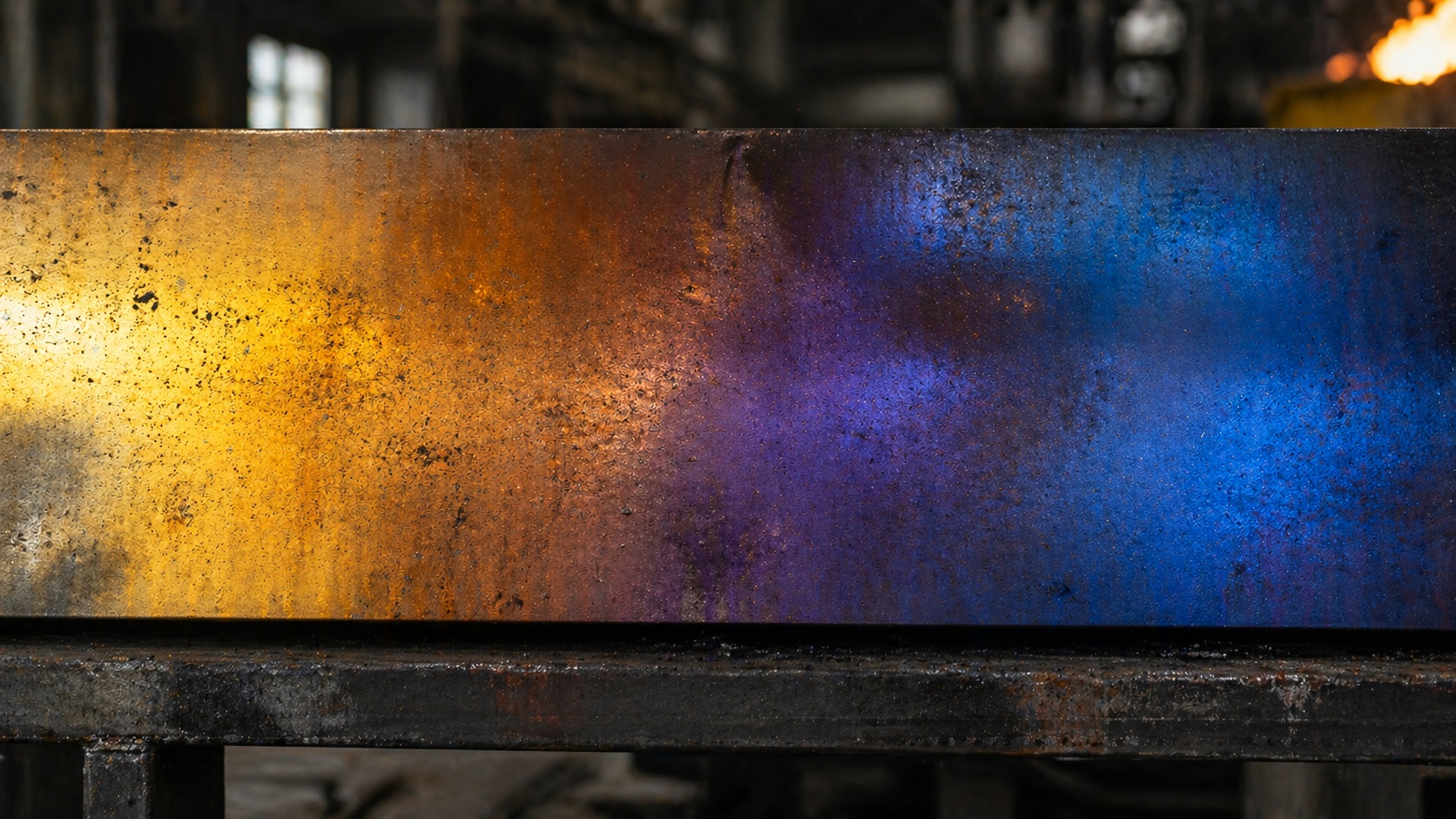
steel heat color chart showing blue color formation at high temperature

Why does steel turn blue when heated? Steel turns blue when heated because a thin oxide layer forms on its surface. As temperature rises, this layer changes thickness, causing thin film interference—light reflecting at different wavelengths. The result is visible color shifts, with blue typically appearing around 280–320°C (536–608°F). Real Shop Experience: Seeing Blue Steel in Practice I … Read more

Different Types of Stainless Steel: The Ultimate Guide to Grades and Applications

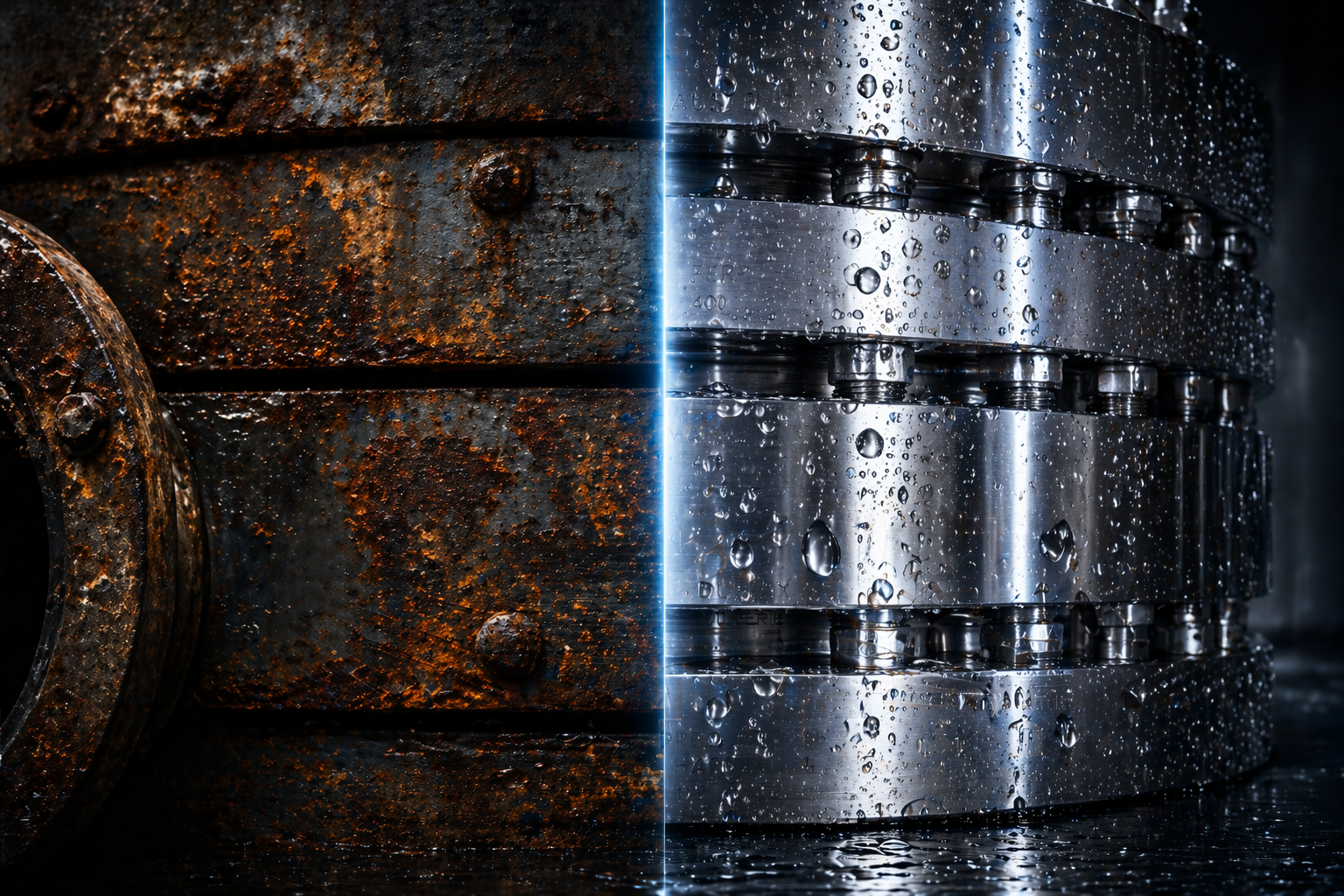
Close-up comparison of clean and corroded stainless steel surfaces under industrial lighting

Stainless steel is a corrosion-resistant alloy that contains at least 10.5% chromium, which forms a protective oxide layer on the surface and prevents rust formation under normal conditions. What You’ll Learn in This Guide Stainless steel shows up everywhere—from food-processing lines and medical devices to offshore platforms and architectural façades—but it’s rarely chosen by accident. … Read more