How to Fix CNC Chatter Marks on Turned Parts (10 Shop-Proven Solutions)
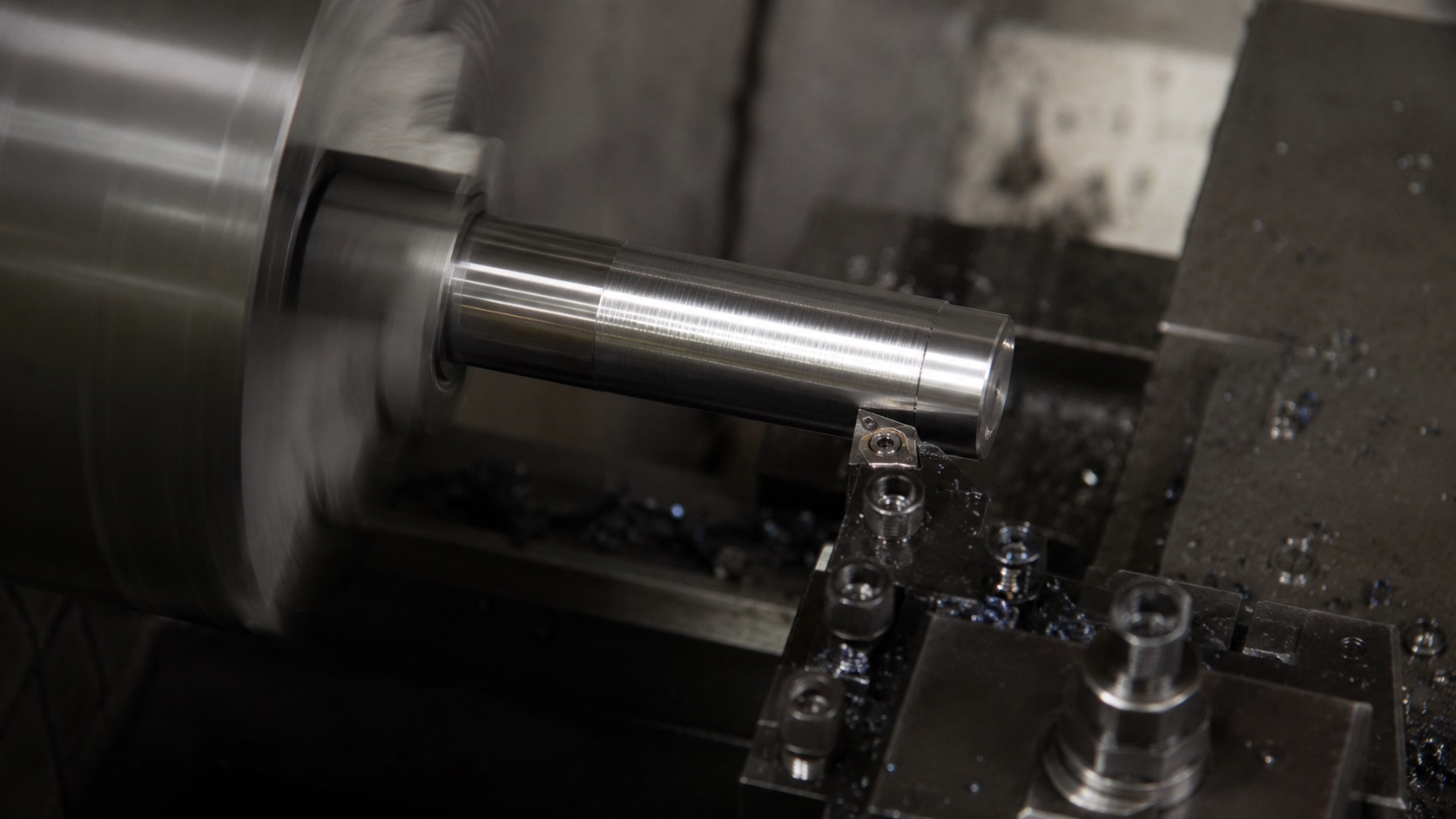
CNC chatter marks forming on a turned steel shaft during lathe machining

What Causes Chatter Marks on Turned Parts? Chatter marks on turned parts are usually caused by vibration between the cutting tool, workpiece, and CNC lathe setup. To fix CNC chatter marks on turned parts, start by reducing tool overhang, improving workpiece support, adjusting spindle speed, checking insert geometry, and making sure the finishing pass is … Read more
How to Machine Acrylic Without Melting or Cracking

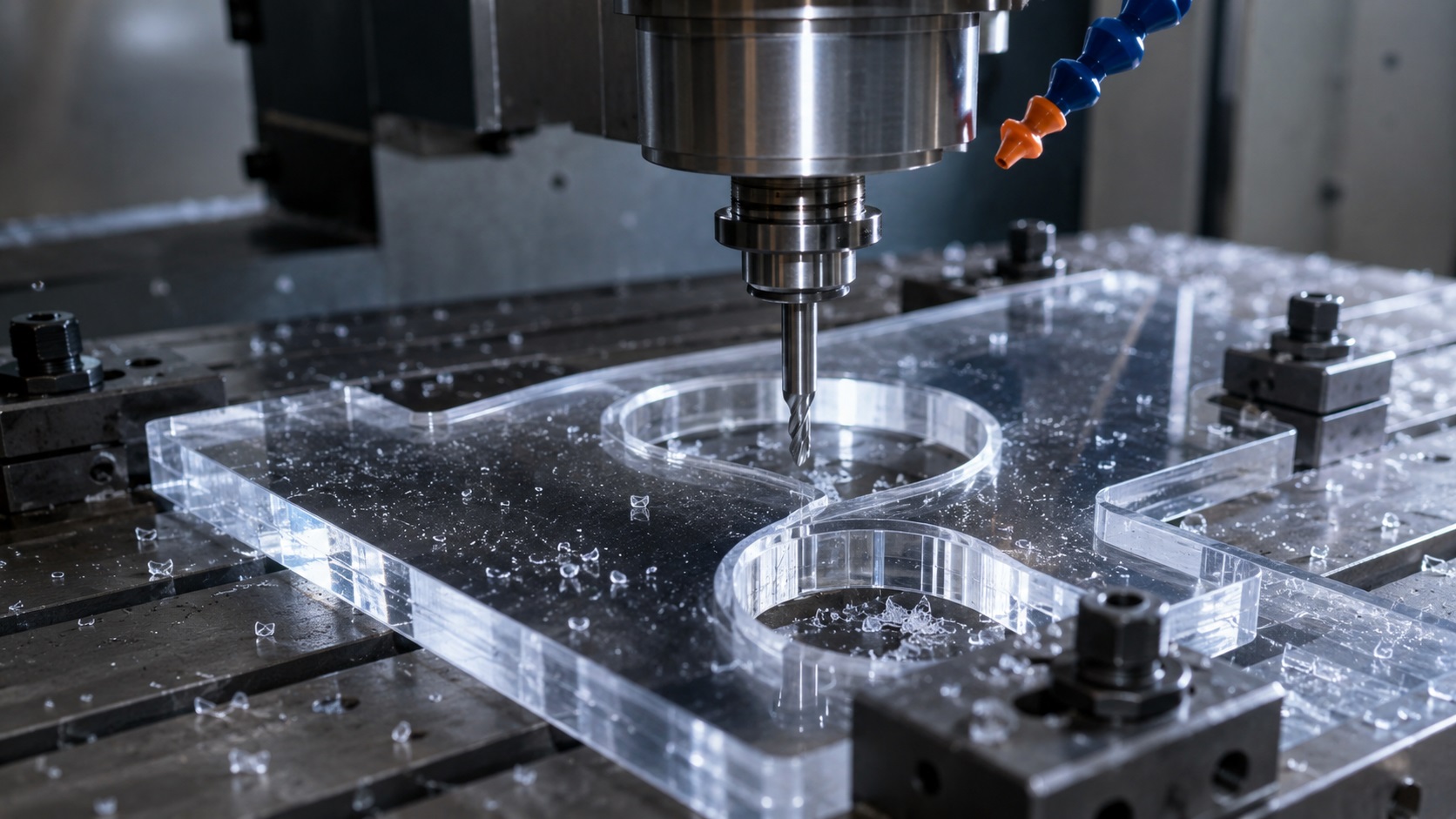
CNC machining acrylic sheet with polished carbide end mill

What Actually Matters When Machining Acrylic Acrylic machining is all about heat control, not cutting force. Use sharp carbide tools, preferably single or low-flute end mills, high feed rates with moderate RPM, and strong chip evacuation. Avoid rubbing at all costs—once acrylic heats up, it melts quickly and ruins surface finish almost instantly. Real Workshop … Read more

Trochoidal and Peel Milling Explained for CNC Machining

Trochoidal milling operation roughing hardened steel on a CNC machining center

Quick Answer: Trochoidal and Peel Milling in CNC Explained Trochoidal and peel milling are high-efficiency CNC machining strategies that use low radial engagement and deeper axial cuts to reduce chatter, improve chip evacuation, and increase tool life. These adaptive milling methods are commonly used for hardened steel, titanium, inconel, and deep pocket roughing operations. For … Read more

What’s a Bridgeport Mill? Why Machinists Still Use These Manual Mills

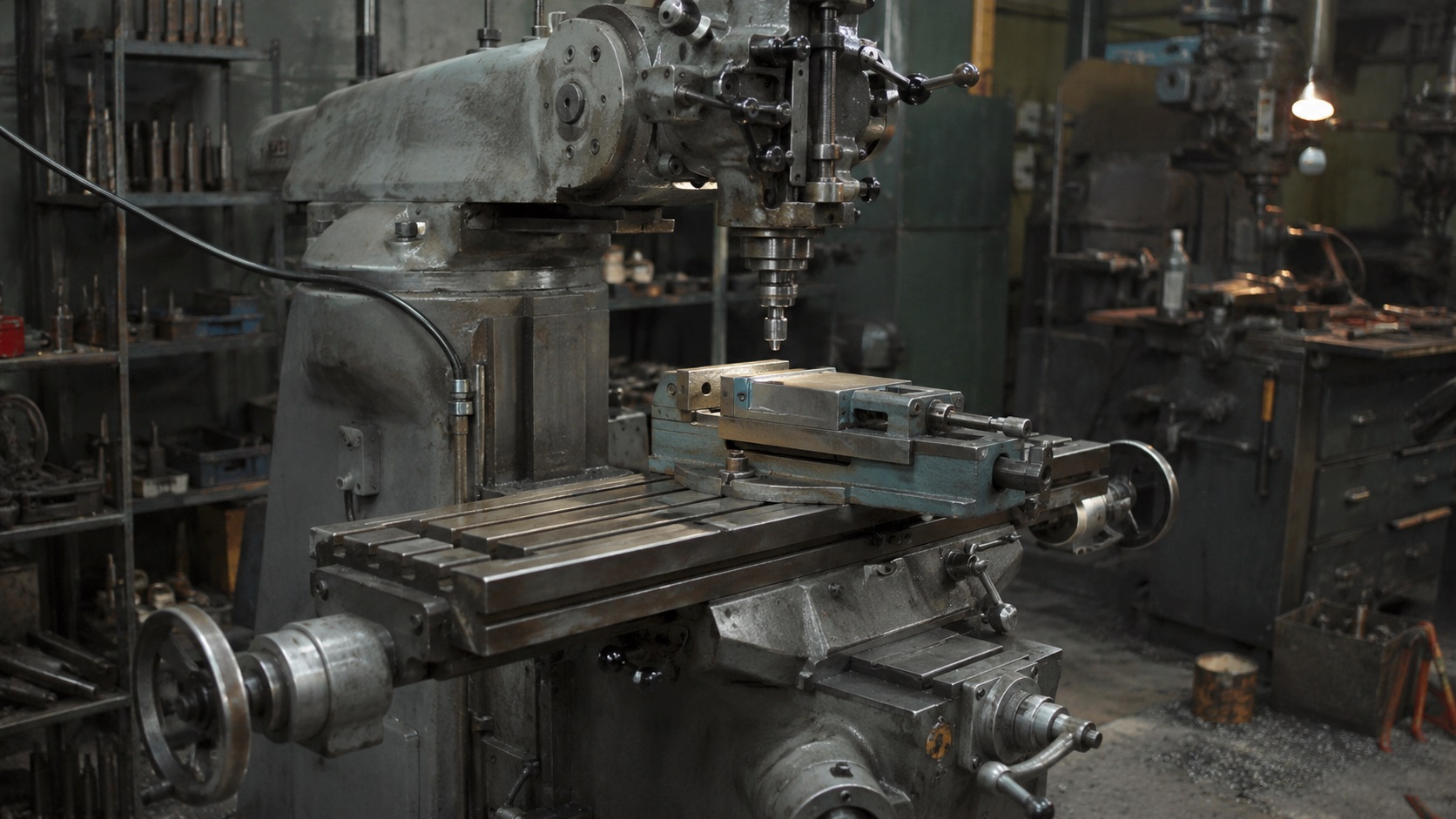
Classic Bridgeport manual milling machine in industrial workshop

What Is a Bridgeport Mill? Quick Beginner Explanation A Bridgeport mill is a manual vertical knee-type milling machine famous for its versatility, precision, and durability. Many machinists use the word “Bridgeport” to describe almost any manual turret mill because the original Bridgeport design became the industry standard in machine shops, schools, and fabrication environments for … Read more

How Do I Become a CNC Machinist or Programmer? (Beginner Career Guide)

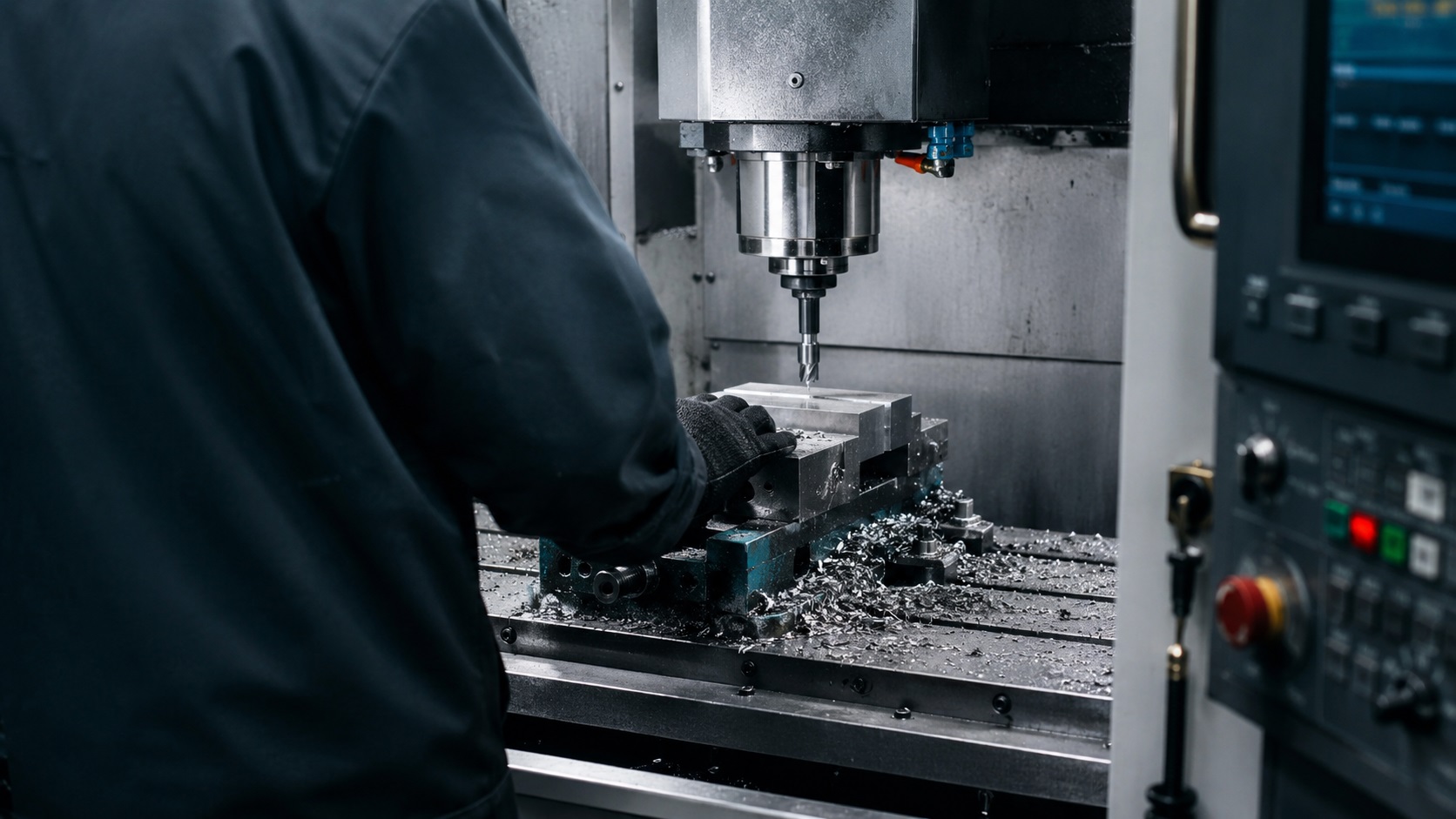
CNC machinist operating industrial CNC machine in modern manufacturing workshop

Quick Answer: How to Become a CNC Machinist or Programmer If you want to become a CNC machinist or programmer, you need to learn machining fundamentals, blueprint reading, CNC machine operation, and real shop problem-solving skills. Most beginners start through trade school, apprenticeships, or shop-floor experience before advancing into CNC programming with G-code, CAD/CAM software, … Read more

Machining Projects – 22 Ideas from Beginner to Advanced

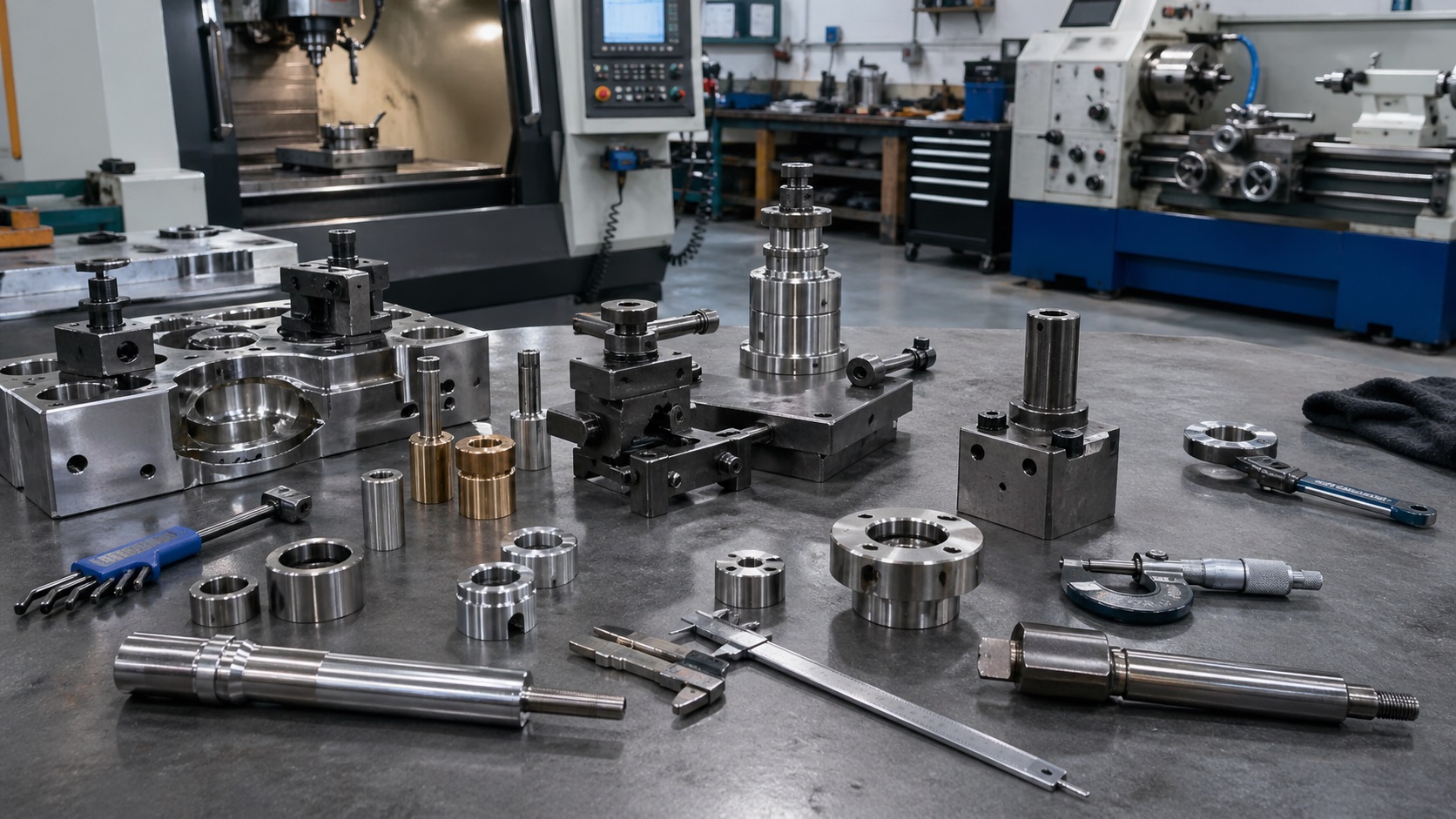
machining projects for beginners and advanced machinists

If you’ve been searching for machining projects, you’ve probably run into the same problem I see all the time in this industry: Most guides are either too basic, too decorative, or completely disconnected from real machining skills. You’ll find people making random trinkets…But not learning how to hold tolerance.Not learning proper setup.Not learning how real … Read more

G83 Peck Drilling Cycle Explained (Code + Tips)

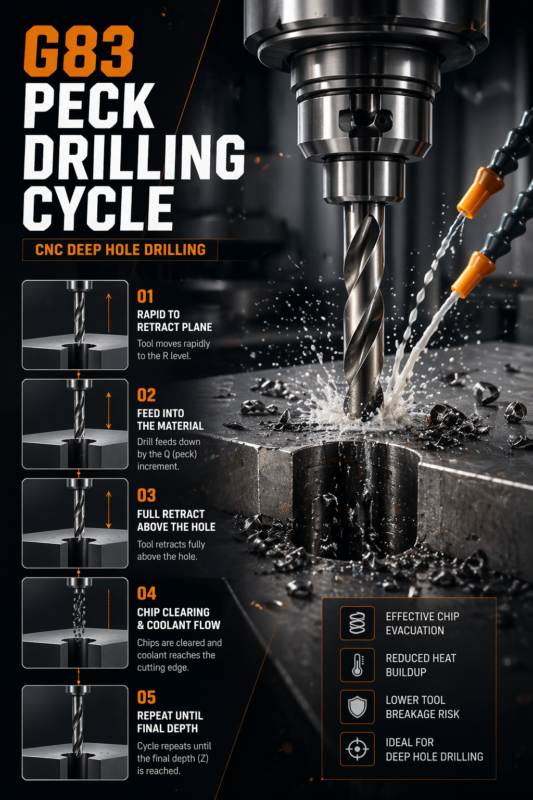
G83 peck drilling cycle in CNC machining showing deep hole drilling and chip evacuation process

What Is G83 in CNC? G83 is a CNC peck drilling cycle used for deep hole drilling where chip evacuation becomes critical. Instead of drilling straight to full depth, the tool advances in steps and retracts after each pass to clear chips, reduce heat, and prevent tool breakage. If you’re drilling deeper than 3–4× the … Read more