Heat Affected Zone in Flame Cutting: Causes, Problems, and Shop-Proven Fixes
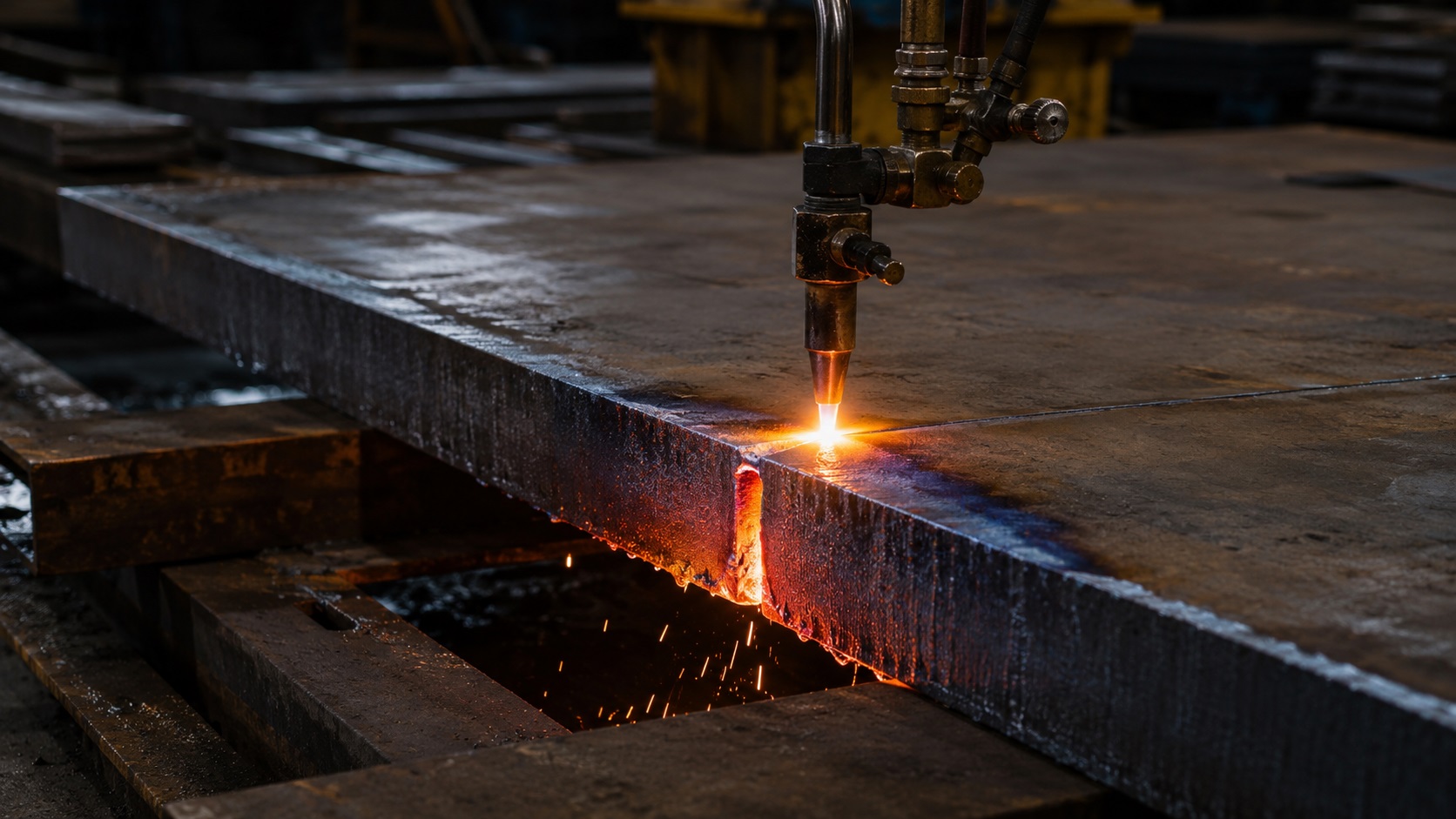
Oxy-fuel flame cutting creating visible heat affected zone on thick steel plate

What Happens to Steel During Flame Cutting? A heat affected zone (HAZ) in flame cutting is the section of metal next to the cut edge where the material’s microstructure changes because of high heat and rapid cooling. In carbon steels, this often creates harder and more brittle edges that can cause machining problems, cracking, distortion, … Read more
How to Weld Cast Iron Successfully Without Cracking

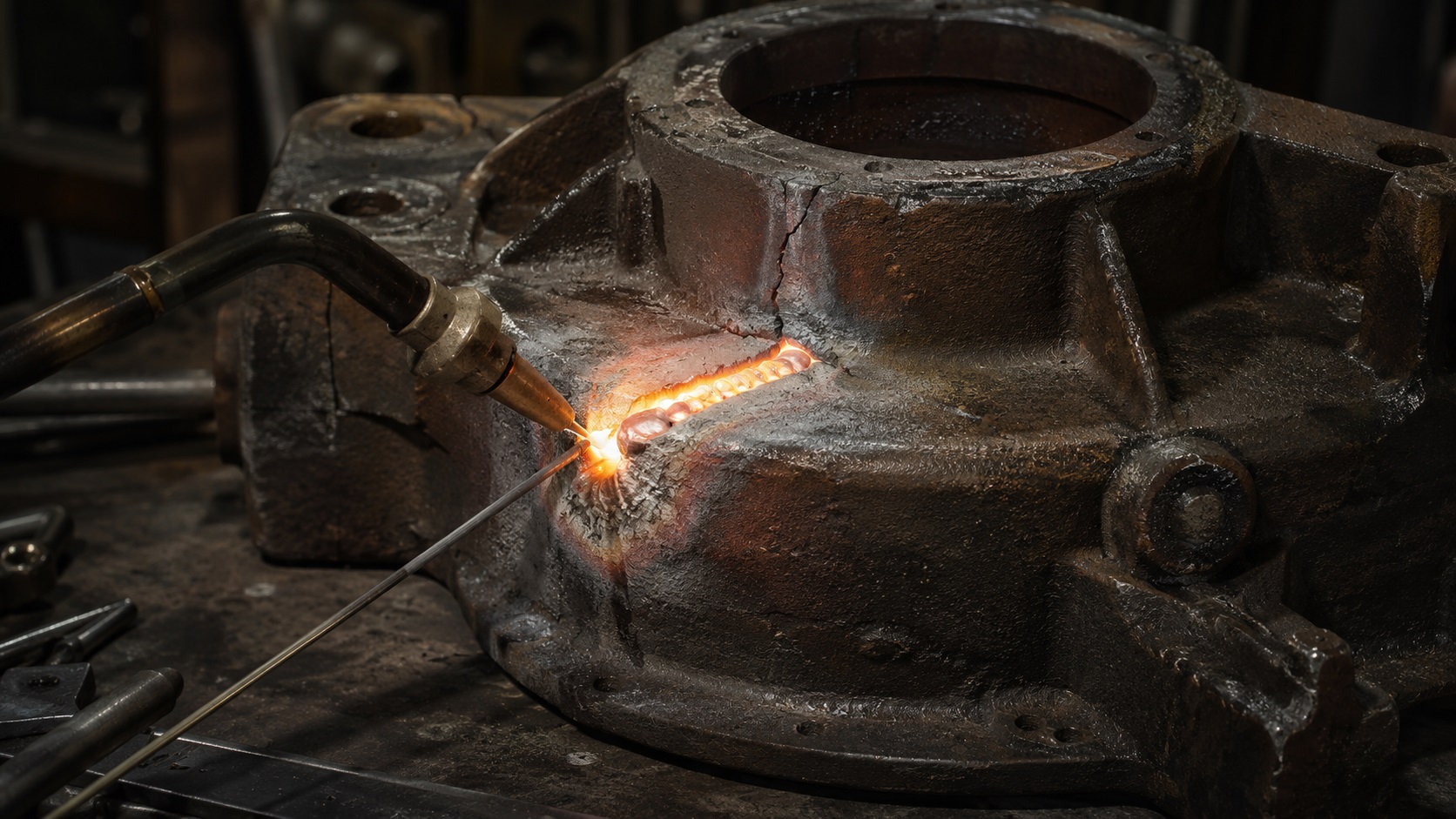
Welder repairing cracked cast iron housing in industrial workshop

Quick Answer: How to Weld Cast Iron Without Cracking Cast iron can be welded successfully by controlling heat expansion and cooling speed. The most reliable method uses proper crack preparation, nickel-based filler metal, controlled preheating between 400–1200°F, short weld passes, peening, and extremely slow cooling. Most failed cast iron repairs happen because the part cools … Read more

How to Cut Aluminum Angle for DIY Projects (Clean Cuts Without Burrs)

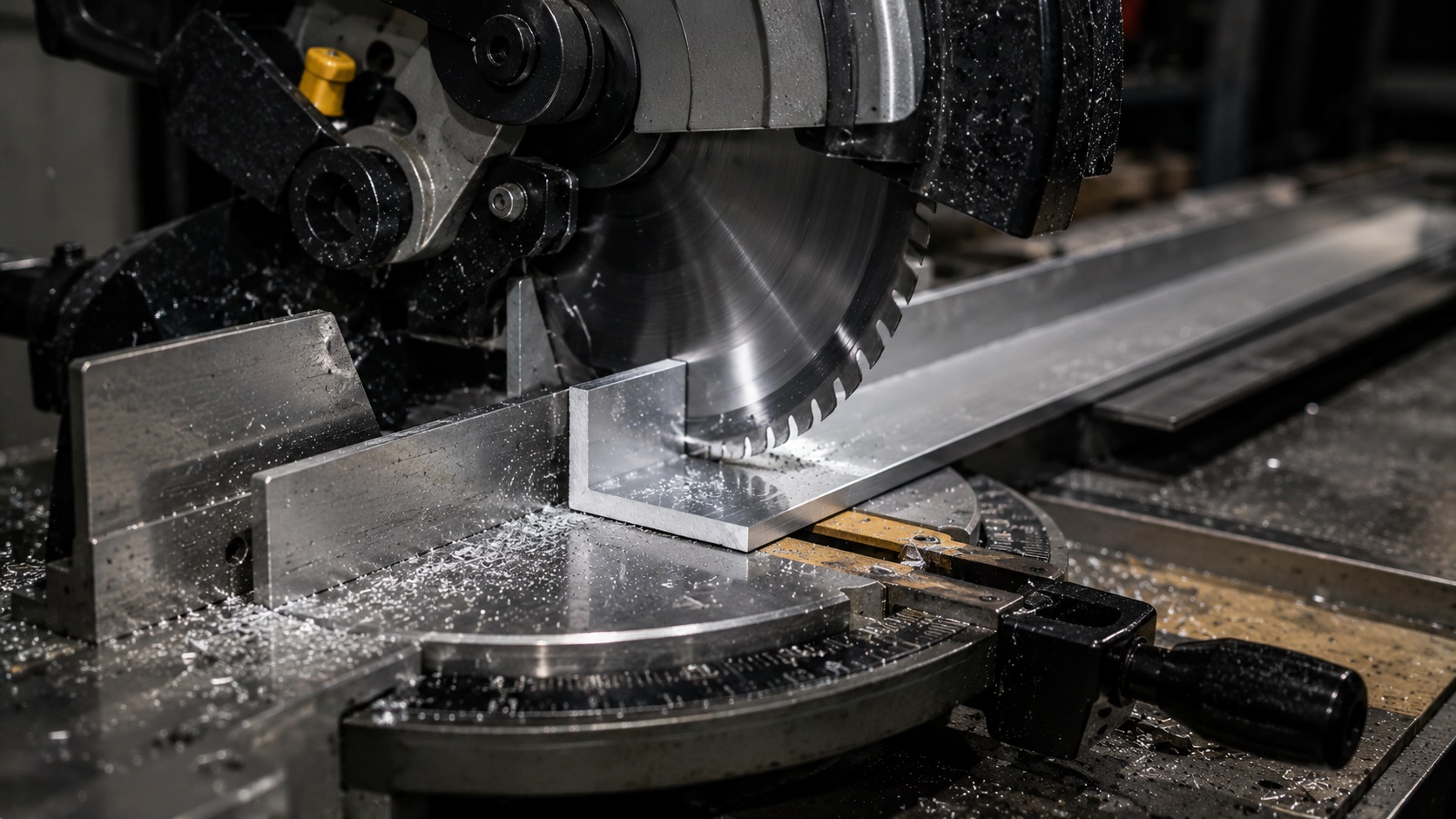
cutting aluminum angle with miter saw in DIY workshop

Quick Answer: How to Cut Aluminum Angle Safely and Cleanly To cut aluminum angle for DIY projects, use a carbide-tipped blade with a miter saw, circular saw, bandsaw, or angle grinder while securing the material firmly and cutting at controlled speed. Proper blade selection, lubrication, and deburring are essential for clean cuts, minimal burrs, and … Read more

Flame Cutting vs Plasma Cutting: Which Is Better? (Real Cost & Mistakes Explained)

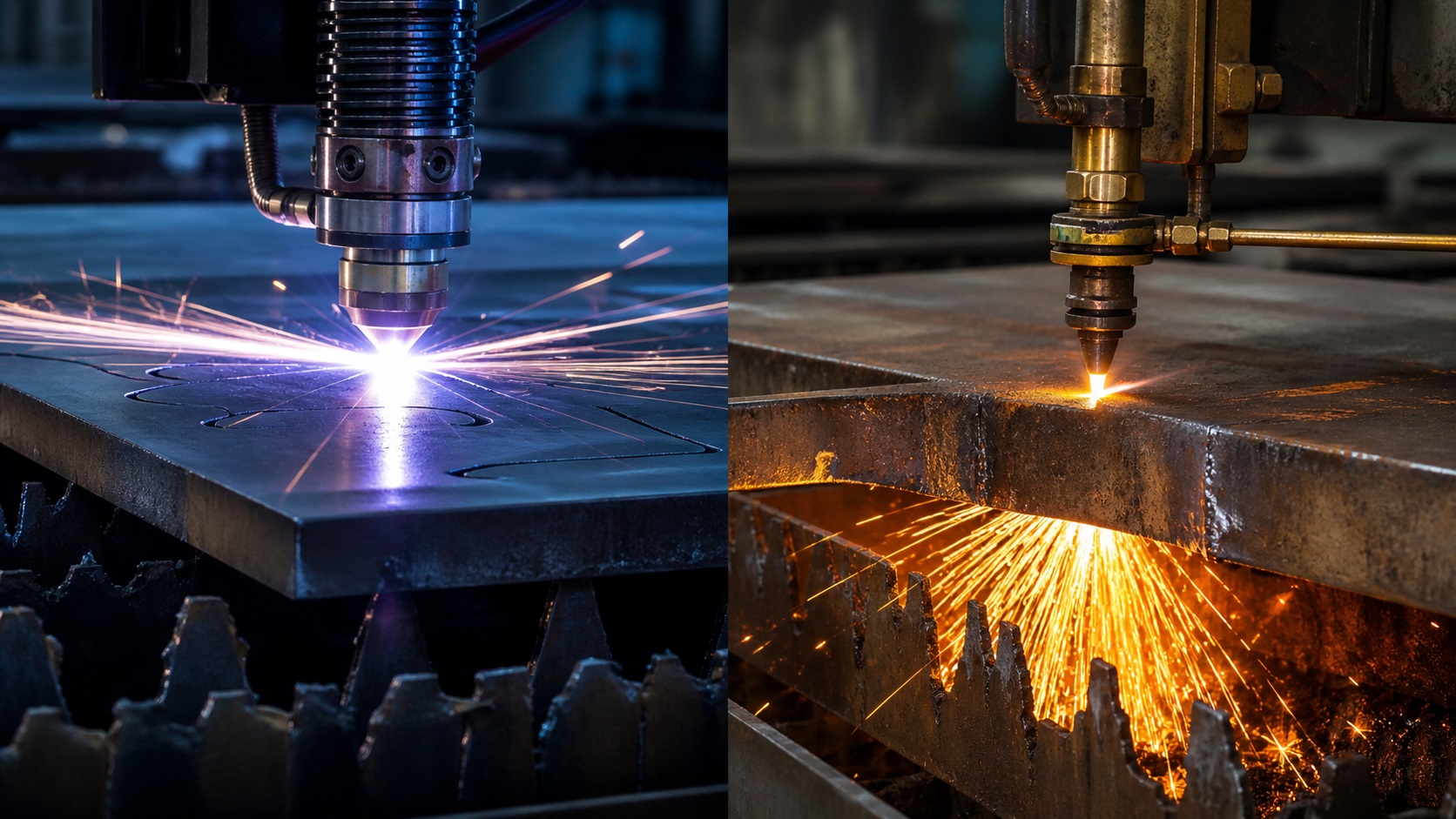
plasma cutting vs flame cutting comparison clean vs rough cut

Flame cutting vs plasma cutting is one of the most misunderstood comparisons in metal fabrication and modern CNC machining. Most people choose the wrong cutting method — and it ends up costing them time, money, and material. Plasma cutting is best for thin metals, speed, and precision, while flame cutting dominates thick carbon steel at … Read more

How to Reduce Welding Spatter Like a Pro

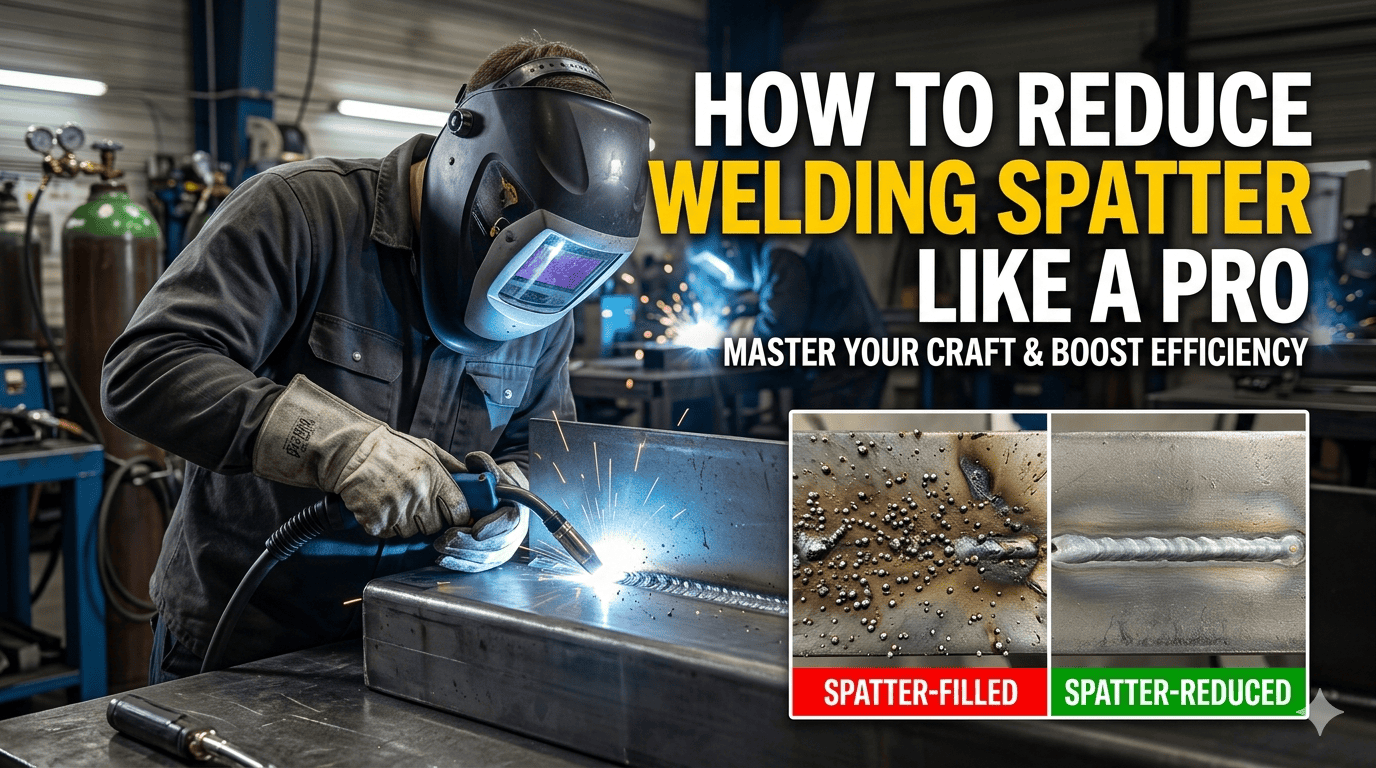
how to reduce welding spatter clean weld vs spatter comparison MIG welding settings example

Most people mess this up by blaming the machine first. In reality, welding spatter comes from poor settings, dirty metal, or unstable arc behavior. Fix those, and spatter drops fast. To reduce welding spatter: balance voltage and wire feed, clean the surface, use proper shielding gas, maintain correct torch angle, and keep a stable arc. … Read more