
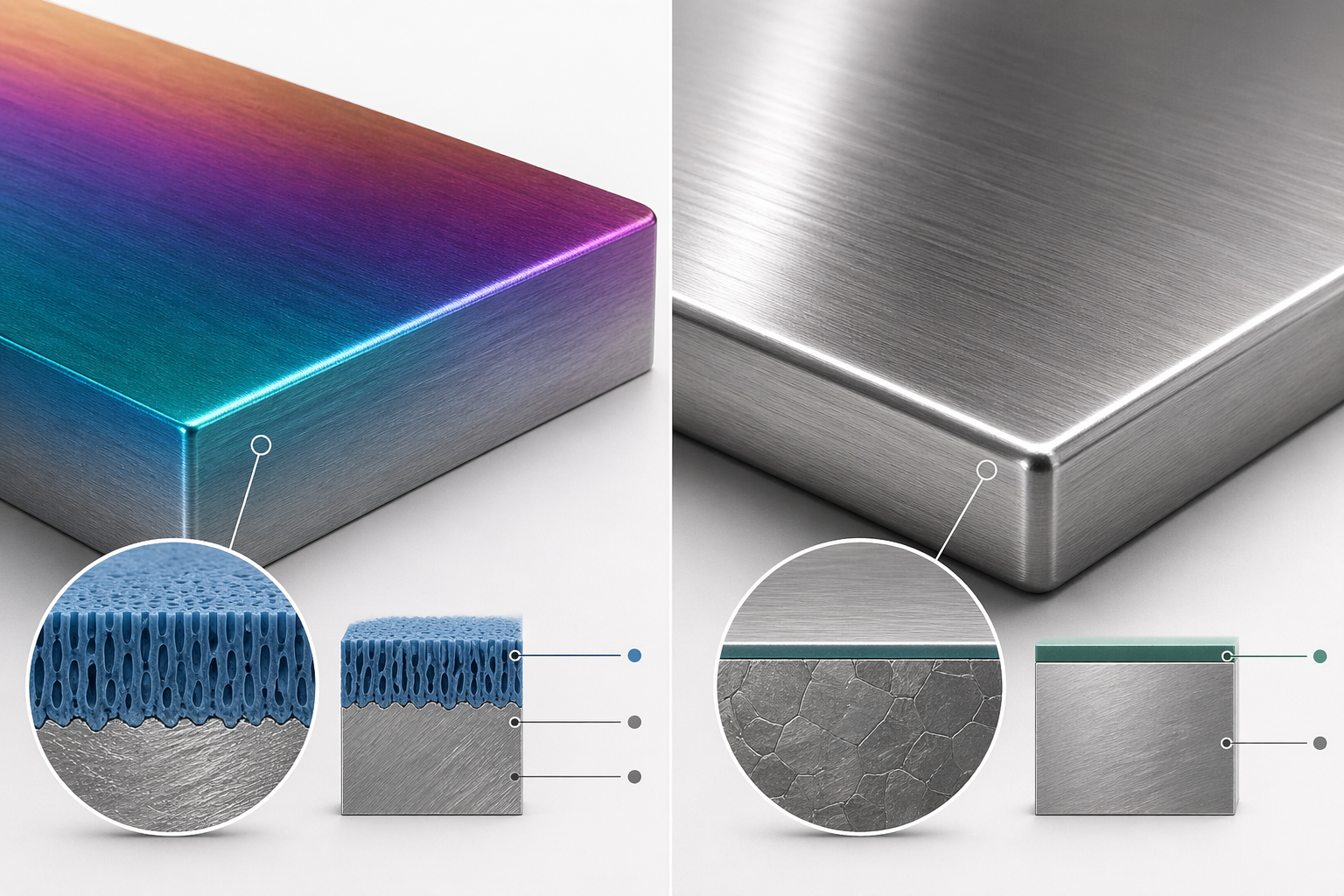
Most people ask the wrong question.
This guide has been fully updated with real-world finishing methods, practical examples, and clearer explanations to eliminate common confusion about anodizing stainless steel.
Can you anodize stainless steel? Not in the traditional, useful way that aluminum or titanium can be anodized. Stainless steel forms an oxide layer, but it does not build the same hard, controlled, dye-friendly anodized surface.
That is why normal anodizing stainless steel attempts usually end in confusion: the chemistry is different, the finish is weak, and the result is not reliable.
The real problem is not anodizing stainless steel.
The problem is misunderstanding what you actually need.
If you want color, durability, corrosion resistance, or a clean decorative finish, stainless steel has better options than anodizing, especially when you understand the different types of stainless steel and how each grade behaves.
The right choice depends on what you want the surface to do.
Key takeaway: Stainless steel is usually coated, colored, passivated, polished, or heat-treated — not anodized like aluminum.
What Anodizing Actually Does
Anodizing is an electrochemical process that changes the surface of a metal. It does not simply paint the surface. It grows an oxide layer from the metal itself.
On aluminum, anodizing creates a controlled aluminum oxide layer, which is why aluminum often needs its own finishing and heat-treatment approach compared with steel. If you work with aluminum often, understanding how to anneal aluminum also helps explain why different metals respond differently to heat and surface treatment.
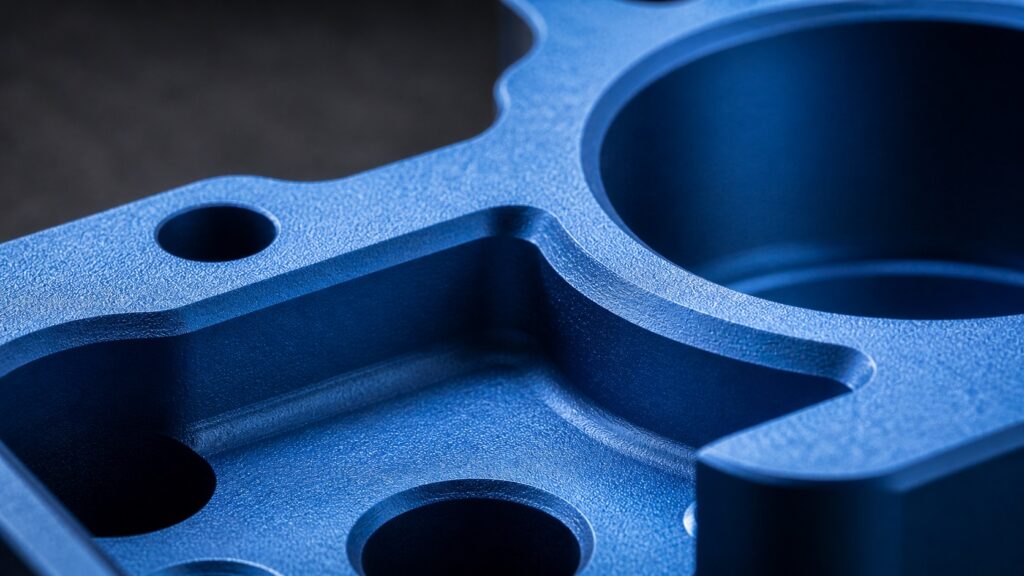
This layer can be hard, corrosion-resistant, and porous enough to accept dyes.
That is why anodized aluminum can be black, red, blue, gold, or clear while still keeping a metallic surface.
Titanium behaves differently, but it can also be anodized. Instead of absorbing dye, titanium creates colors through oxide thickness and light interference.
Aluminum anodizing is about durability and dye absorption. Titanium anodizing is mostly about controlled color.
Stainless steel does not follow either path well.
That difference is where most bad advice starts.
Why Stainless Steel Doesn’t Behave the Same Way
Stainless steel already protects itself with a thin chromium oxide layer. That passive film is what gives stainless steel its corrosion resistance.
But this layer is extremely thin and self-repairing. It is not like the thicker anodized aluminum oxide layer used for dyeing and protection.
When aluminum anodizes, the oxide layer grows in a controlled way. When stainless steel is forced through similar electrochemical treatment, the surface tends to stain, etch, discolor, or break down unevenly.
The main issue is chemistry.
Aluminum forms a useful aluminum oxide layer. Stainless steel contains iron, chromium, nickel, and other alloying elements. Under the wrong electrical and chemical conditions, iron oxides and surface contamination can form instead of a clean, durable finish.
Think of aluminum like wood that can absorb stain evenly. Stainless steel is more like glass with a thin protective skin. You can affect the surface, but it will not soak up color the same way.
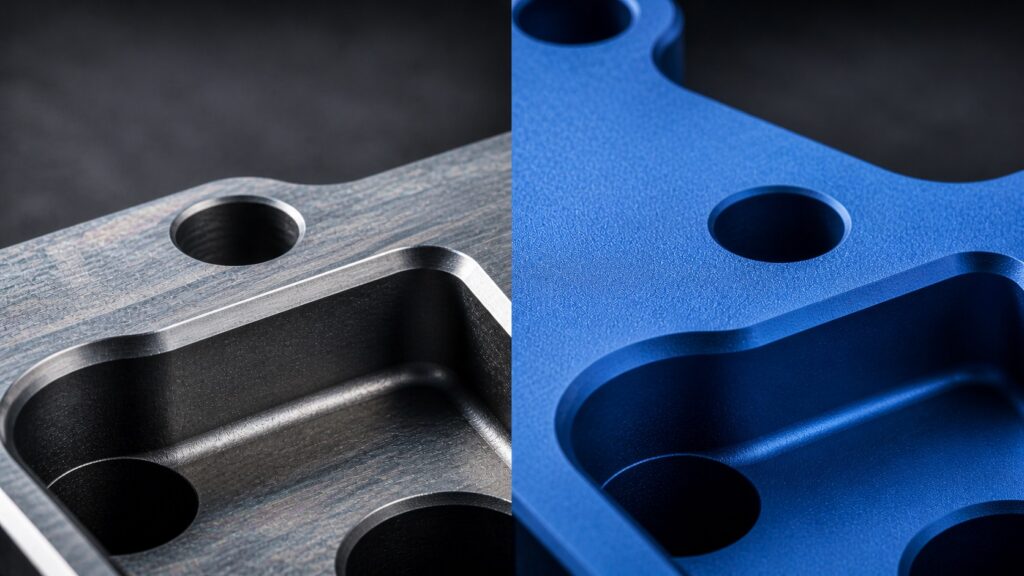
In shop terms, stainless steel does not “take” anodizing the way aluminum does.
Why Stainless Steel Is Not Anodized Like Aluminum
Stainless steel is not normally anodized like aluminum because:
- It does not form the same thick, porous oxide layer.
- Its chromium oxide film is thin, passive, and self-repairing.
- Electrochemical attempts often cause etching or staining.
- The color is usually weak, uneven, or not durable.
- Better alternatives exist for color, wear resistance, and corrosion protection.
Key takeaway: The failure is not just cosmetic. The process itself does not create the kind of surface most people expect.
Now let’s look at what actually happens when people try it.
What Happens If You Try to Anodize Stainless Steel
If you try anodizing stainless steel at home or in a basic shop setup, you probably will not get a strong anodized finish.
You may get surface darkening, patchy color, light etching, corrosion marks, or uneven rainbow discoloration.
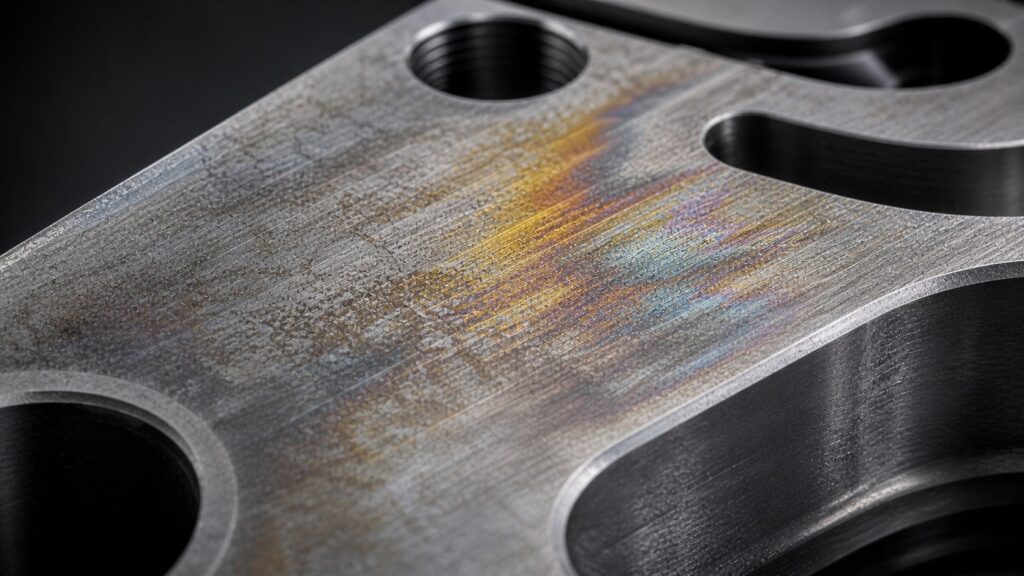
Sometimes the part looks interesting for a few minutes. Then the surface wipes off, stains, rusts at damaged spots, or fades quickly.
That is not anodizing in the useful sense.
It is usually controlled damage, chemical staining, or unstable oxidation.
Key takeaway: If the finish is uneven, fragile, or easy to scratch, it is not a practical anodized stainless steel finish.
I have seen people ruin stainless parts by treating them like aluminum. The most common mistake is expecting a clean black or colored finish from a simple battery, acid bath, and stainless steel part.
That approach can attack the surface instead of improving it.
A practical tip: never test this on the final part. If your goal is controlled surface marking instead of anodizing, salt water etching stainless steel is a more realistic process to understand first.
If you experiment with stainless steel coloring, use scrap from the same alloy and surface finish first. Brushed 304, polished 304, and 316 can all react differently.
For decorative experiments, you might create color. For a real part that needs durability, it is the wrong path.
That brings up the next question.
Is It Technically Possible?
In a very narrow technical sense, stainless steel can be modified electrochemically under controlled conditions.
Laboratories and specialized finishing operations can use complex chemistry, controlled voltage, surface preparation, and post-treatment steps to alter stainless steel surfaces.
But that is not the same as normal anodizing.
For practical use, anodizing stainless steel is not safe, simple, reliable, or useful for most applications.
The chemicals can be hazardous. The finish can be inconsistent. The process does not produce the same hard, dyeable oxide layer people expect from aluminum anodizing.
So the honest answer is this:
Stainless steel can be treated in advanced ways, but it should not be considered anodizable in the traditional shop or DIY sense.
If your goal is a real finish, you need to define what you actually want.
What People Actually Mean When They Ask About Anodizing Stainless Steel
Most people who ask about anodizing stainless steel are not really asking about anodizing.
They usually want one of three things.
They Want Color
This is the most common reason.
Someone wants blue, bronze, black, gold, rainbow, or dark stainless steel. They search for anodizing because they have seen colored aluminum or titanium.
But stainless steel coloring works differently.
For color, you should look at PVD coating stainless steel, heat coloring stainless steel, chemical blackening, paint, powder coating, or ceramic coating.
The consequence of choosing the wrong method is simple: you may get color, but not color that survives real use.
If the goal is color, anodizing is usually the wrong word and the wrong process.
They Want Durability
Some people want a harder surface, better wear resistance, or extra corrosion protection.
Traditional anodizing works well for aluminum because aluminum oxide is hard and protective.
Stainless steel already has corrosion resistance, but if you need more wear protection, anodizing is not the best route.
PVD, nitriding, passivation, electropolishing, or ceramic coatings may make more sense depending on the part.
The wrong choice can make a stainless part look better while performing worse, especially if the finish traps contamination or damages the passive layer.
If the goal is durability, choose the finish based on wear, corrosion, temperature, and appearance — not based on the word “anodizing.”
They Want a DIY Solution
DIY users often want a simple way to color stainless steel at home.
For that, heat coloring stainless steel is usually the easiest option. It can create gold, bronze, purple, blue, and rainbow tones.
But it has limits.
Heat color is thin. It scratches. It changes with temperature. It is not a high-durability industrial finish.
The biggest DIY failure I see is poor cleaning. Stainless steel with fingerprints, cutting oil, or polishing compound will color unevenly almost every time.
DIY color and professional durability are two different goals. Do not confuse them.
Now we can choose the right alternative.
Best Alternatives to Anodizing Stainless Steel
The best finish depends on what you need the part to survive.
A decorative kitchen panel, a knife handle, a machine part, and a marine bracket do not need the same finish.
PVD Coating
PVD coating is usually the best professional alternative to anodizing stainless steel.
PVD stands for physical vapor deposition. It applies a thin, hard coating to the surface in a controlled vacuum process.
It is the closest real-world equivalent to anodizing because it gives stainless steel what people usually wanted from anodizing in the first place: controlled color, a clean metallic look, better wear resistance, and repeatable results.
You see PVD-coated stainless steel on watches, architectural panels, door hardware, kitchen fixtures, decorative trim, tools, and premium consumer products.
For black, gold, bronze, champagne, rose gold, and dark stainless finishes, PVD is usually the professional answer.
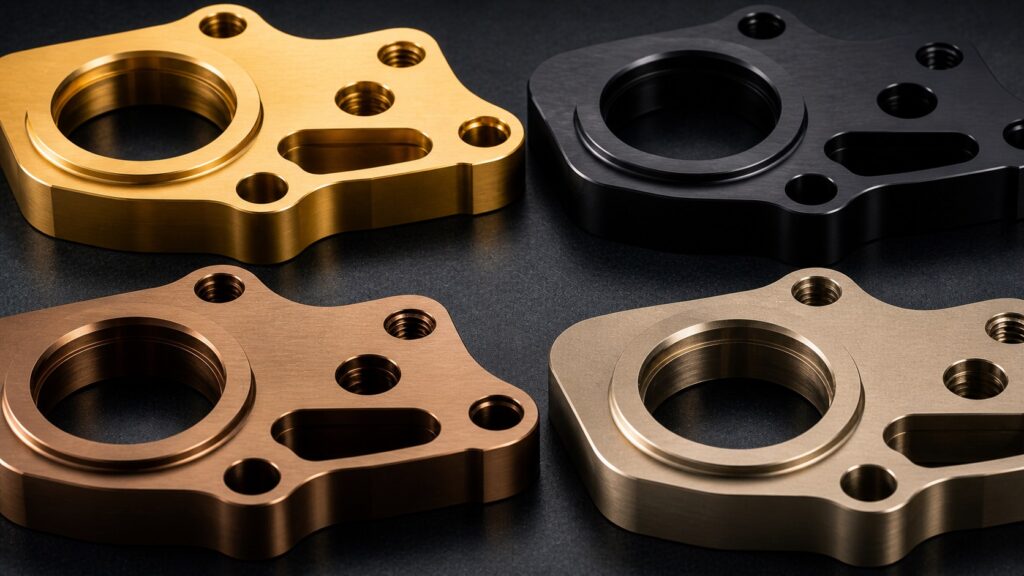
For professional stainless steel coloring, PVD is usually the strongest option.
Compared with heat coloring, PVD is much more durable. Compared with paint, it keeps a thinner, more metallic appearance. Compared with black oxide, it usually gives more color options and a cleaner decorative result.
That is why it is common in products that need to look good after repeated handling.
But PVD is not perfect.
Do not use it when the part will be heavily gouged, welded after coating, machined after coating, or exposed to conditions outside the coating’s rating. Sharp edges and poor surface preparation can also reduce performance.
The coating follows the surface underneath. If the stainless is scratched before coating, PVD will not magically hide it.
Key takeaway: Choose PVD when appearance and durability both matter, but prepare the surface properly before coating.
Heat Coloring Stainless Steel
Heat coloring stainless steel is the most accessible DIY option.
When stainless steel is heated, oxide thickness changes on the surface. That is the same basic reason steel turns blue when heated, even though heat coloring is still not the same as anodizing.
This creates visible colors such as straw, bronze, purple, and blue.
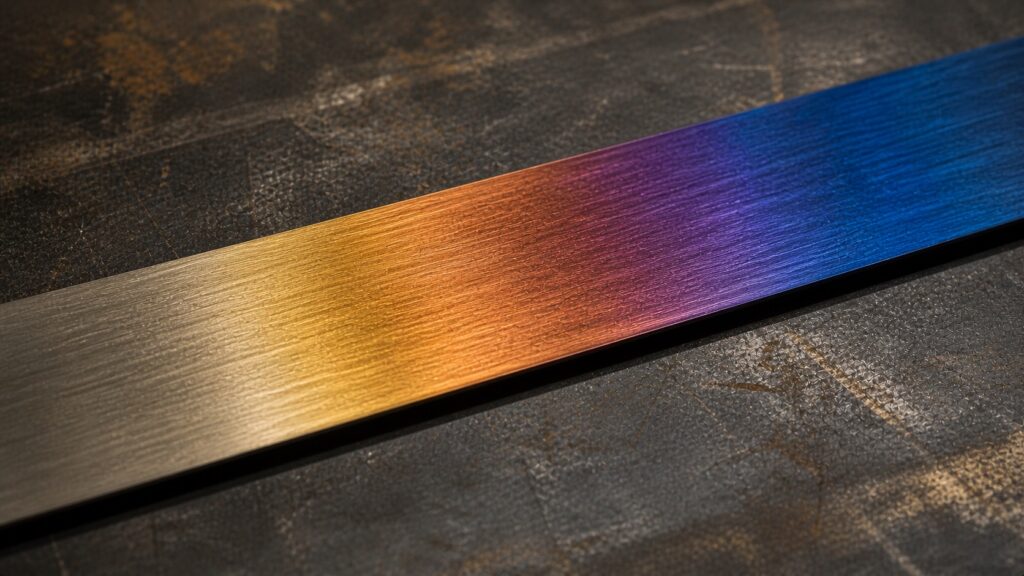
It is useful for art pieces, decorative parts, and controlled visual effects.
But it is not the same as anodizing. It does not create a thick protective anodized layer.
The finish can scratch or fade, especially on parts that are handled often.
Heat coloring is good for visual effect, not heavy-duty protection.
A practical shop tip: clean the stainless steel before heating. Oil, fingerprints, and polishing compound can cause blotchy color.
If you want even color, surface prep matters more than the torch.
Black Oxide
Black oxide can be used on some stainless steels, but it is more specialized than many people think.
It creates a dark matte or satin finish. It is common in industrial parts where glare reduction or dark appearance matters.
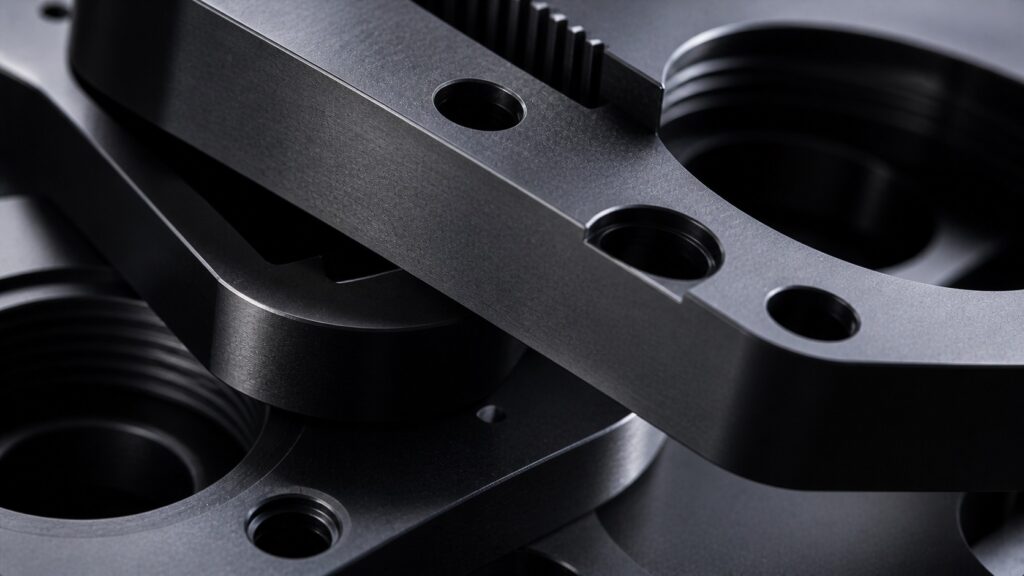
However, black oxide is not a magic corrosion shield.
On stainless steel, it usually needs the right alloy, proper chemistry, and sometimes sealing oil or wax.
Black oxide is best when you want a dark industrial look, not a colorful decorative finish.
It is not the same as black anodizing.
That distinction matters.
Paint and Ceramic Coatings
Paint, powder coating, and ceramic coatings are practical options when budget, color range, or corrosion protection matter. Surface prep still matters, just like it does when trying to reduce welding spatter and keep metal surfaces clean before finishing.
Paint is cheaper and flexible, but it can chip.
Powder coating is tougher than normal paint, but it adds thickness and may not suit tight-tolerance parts.
Ceramic coatings can offer better heat resistance and surface protection, depending on the product and application.
Coatings are often more realistic than chasing a fake anodized stainless finish.
If the part needs a specific color and will not experience extreme abrasion, a coating may be the smartest choice.
For high-wear parts, PVD or another engineered surface treatment is usually better.
Electropolishing Stainless Steel
Electropolishing is another important stainless steel finishing process, but it is not used for color.
It is an electrochemical process that removes a very thin layer from the stainless steel surface. This smooths microscopic peaks, improves cleanliness, and can improve corrosion resistance.
You will often see electropolishing used in food processing, medical, pharmaceutical, marine, and sanitary applications.
It makes stainless steel easier to clean and helps remove embedded contamination from machining, grinding, or fabrication.
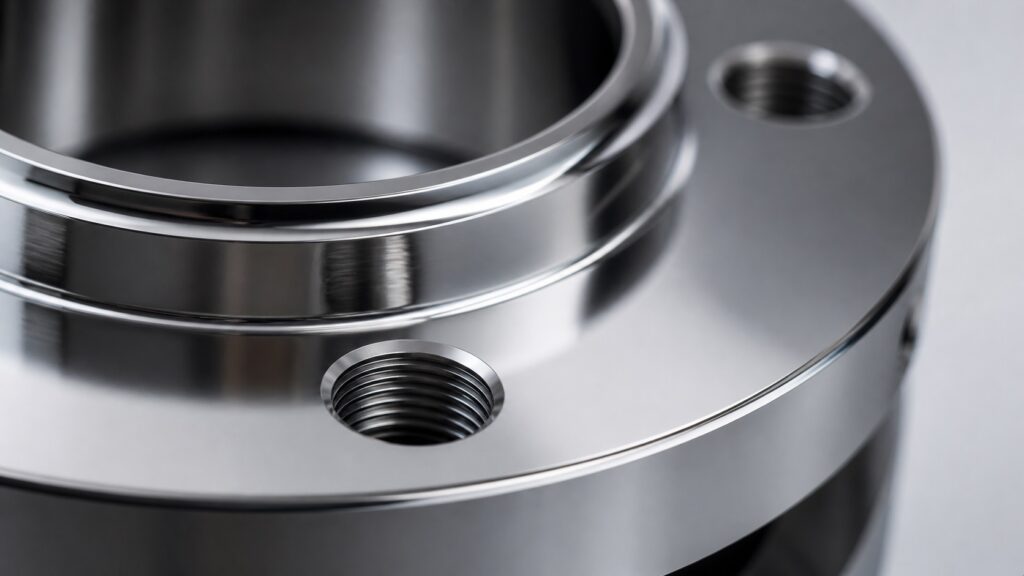
Electropolishing is for cleanliness, smoothness, and corrosion performance — not decorative color.
This matters because many stainless problems are not solved by adding a coating. Sometimes the best answer is improving the stainless surface itself.
If a part needs to stay clean, resist corrosion, and avoid contamination traps, electropolishing can be more valuable than a colored finish.
Passivation vs Anodizing Stainless Steel
Passivation is often confused with anodizing, but they are very different.
Stainless steel already relies on a passive chromium oxide layer for corrosion resistance. Passivation helps clean and restore that protective surface.
In simple terms, passivation removes free iron and surface contamination so the chromium-rich passive layer can do its job.
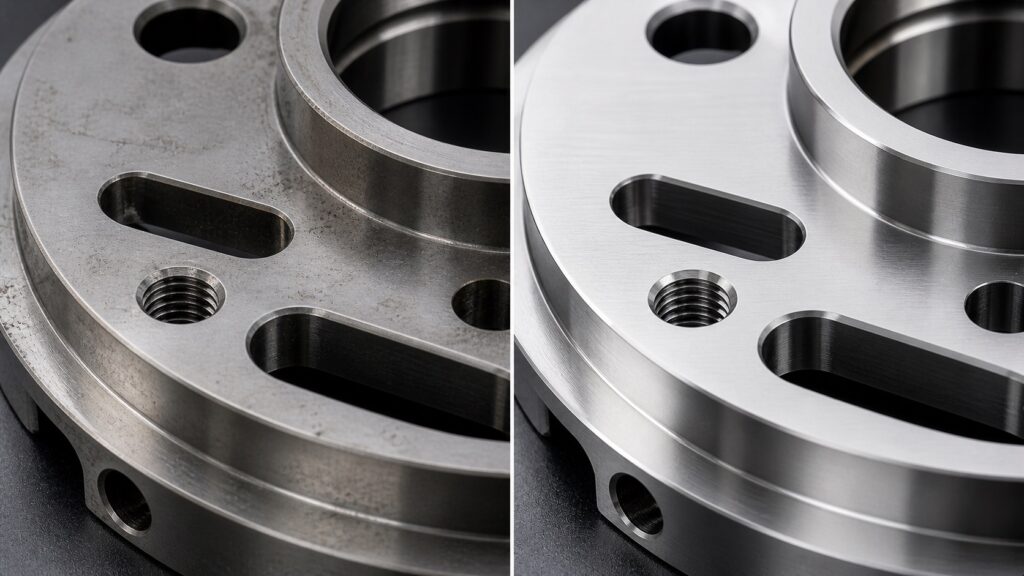
It is commonly used after machining, welding, cutting, grinding, or fabrication. If you are working with stainless after cutting or machining, it also helps to understand what CNC machining is and how surface condition affects the final finish.
Passivation does not color stainless steel. It improves corrosion resistance by helping the natural stainless surface protect itself.
This is why passivation is common in aerospace, medical, food equipment, chemical processing, and precision manufacturing.
If your stainless part is rusting after machining or fabrication, the answer may not be anodizing or coating.
It may need proper cleaning and passivation.
Stainless Steel Finish Comparison
| Method | Durability | Cost | Difficulty | Appearance | Best Use Case |
|---|---|---|---|---|---|
| PVD coating | High | High | Professional service needed | Clean, premium, metallic colors | Watches, hardware, architecture, premium decorative parts |
| Heat coloring | Low to medium | Low | DIY friendly | Blue, bronze, purple, rainbow tones | Art, decorative parts, low-wear projects |
| Black oxide | Medium | Medium | Usually professional | Matte black or dark gray | Industrial dark finish, glare reduction |
| Paint / powder coating | Medium | Low to medium | Easy to moderate | Wide color range | Budget color, larger parts, non-tight-tolerance pieces |
| Ceramic coating | Medium to high | Medium to high | Usually professional | Smooth, durable, controlled colors | Heat resistance, extra protection, performance parts |
| Electropolishing | Medium to high | Medium | Professional process | Bright, smooth, clean stainless | Food, medical, marine, sanitary parts |
| Passivation | Corrosion-focused | Low to medium | Professional recommended | No major visual color change | Restoring stainless corrosion resistance |
| DIY “anodizing” attempt | Low | Low | Risky and inconsistent | Patchy, weak, unreliable | Not recommended for functional parts |
Key takeaway: If you need a professional colored finish, choose PVD. If you need corrosion performance, consider passivation or electropolishing. If you want DIY color, use heat coloring.
Common Mistakes to Avoid
Calling Heat Coloring Anodizing
Heat coloring stainless steel is not anodizing.
It may create blue, gold, or purple colors, but the process is different. There is no controlled anodized layer like aluminum.
Using the wrong term leads to wrong expectations.
Call it heat coloring, heat tinting, or oxidation color — not anodizing.
Expecting Aluminum Results
This is the biggest mistake.
People see black anodized aluminum and assume stainless steel can be treated the same way. The same kind of confusion happens with steel grades too, especially when comparing stainless with materials like rebar steel.
It cannot.
Stainless steel will not absorb dye like anodized aluminum. It will not form the same porous oxide structure.
If you want black stainless steel, look at PVD, black oxide, or coating.
Trusting Online DIY Anodizing Methods Too Quickly
A lot of online “stainless anodizing” methods are really just staining, etching, or heat coloring.
Some may create temporary color, but that does not mean the surface is durable or corrosion-resistant.
I have seen parts look good right after treatment and then fail after wiping, handling, or exposure to moisture.
A finish that cannot survive cleaning is not a finish you should trust.
Confusing Coating With Surface Transformation
PVD, paint, powder coating, and ceramic coatings add material to the surface.
Anodizing changes the oxide layer of the metal itself.
Both can be useful, but they are not the same thing.
This matters for tolerances, wear, repair, and long-term appearance.
Trying Unsafe DIY Electrochemical Methods
DIY anodizing attempts on stainless steel can involve acids, salts, electricity, fumes, and surface damage.
Even if the setup looks simple online, the result is usually not durable.
Worse, you may damage the part or create unsafe chemical conditions.
If you do not understand the chemistry, do not experiment on an important stainless part.
Test scrap first.
Always.
Ignoring Durability
Color is easy to chase. Durability is harder.
A finish that looks good on day one may fail after handling, abrasion, heat, cleaning chemicals, or outdoor exposure.
Before choosing a finish, ask:
Will the part be touched often?
Will it be outdoors?
Will it see heat?
Will it rub against anything?
Will it need cleaning?
That answer matters more than the finish name.
Common Questions About Anodizing Stainless Steel
Can you anodize stainless steel at home?
No, not in the traditional aluminum-anodizing sense.
You can experiment with heat coloring or surface staining, but you should not expect a hard, durable anodized finish. For home projects, heat coloring is usually the safer and more realistic option.
Why doesn’t anodizing work on steel?
Steel and stainless steel do not form the same useful oxide layer as aluminum.
Aluminum creates a controlled aluminum oxide layer that can be thick, protective, and dyeable. Stainless steel relies on a very thin chromium oxide passive film, which behaves differently.
What metals can be anodized?
Aluminum is the most common anodized metal.
Titanium, magnesium, niobium, tantalum, and some other reactive metals can also be anodized in specific ways. Stainless steel is not normally treated as an anodizing-friendly metal.
Is stainless steel anodized or coated?
In most real-world applications, colored stainless steel is coated, heat colored, chemically treated, or PVD coated.
If you see black, gold, bronze, or colored stainless steel on a product, it is usually not traditionally anodized.
Is heat coloring stainless steel durable?
Heat coloring has limited durability.
It can look great on decorative parts, but it can scratch, fade, or change with wear and cleaning. It is not the best choice for high-contact or high-wear parts.
Which Finish Should You Choose?
If you want maximum durability with premium color, choose PVD coating.
If you want DIY color for a decorative project, choose heat coloring stainless steel.
If you want a matte black industrial finish, choose black oxide.
If you want budget color with many options, choose paint or powder coating.
If you want cleanliness and corrosion resistance, choose electropolishing or passivation.
If you want a true aluminum-style anodized finish, do not choose stainless steel.
Key takeaway: Start with the job, then choose the finish. Do not start with the word “anodizing.”
Final Verdict
You should not think of stainless steel as a metal you can anodize like aluminum.
Can you anodize stainless steel? In the practical, traditional sense, no.
You can alter the surface. You can color it. You can coat it. You can heat tint it. You can passivate it. You can electropolish it.
But you should not expect a true anodized stainless steel finish with aluminum-like durability, dye absorption, or consistency.
The right choice is simple:
Use PVD coating for the best professional colored stainless finish.
Use heat coloring for DIY decorative color.
Use black oxide for a dark industrial appearance.
Use paint, powder coating, or ceramic coating when cost, color range, or coverage matter more than a metallic surface.
Use passivation or electropolishing when corrosion resistance, cleanliness, and surface quality matter more than color.
The problem is not anodizing stainless steel.
The problem is choosing a finish before understanding the job. If you choose the process based on the job instead of the name, you will always get better performance, better durability, and more predictable results.