
Is a Minilathe Worth It? (Quick Answer)
A minilathe is worth it if you want an affordable way to learn turning, make small parts, modify hardware, and build machining skill at home. It is not worth it if you expect industrial rigidity, fast metal removal, large work capacity, or production-level accuracy without tuning, patience, and realistic expectations.
Why This Question Is Hard to Answer
A minilathe sits in a strange place.
It looks like a real lathe. It works like a real lathe. It can face, turn, drill, part, bore, thread, and polish small parts. But it does all of that with less mass, less horsepower, less rigidity, and less forgiveness than a full-size engine lathe.
That is why people argue about them so much.
One person buys a small benchtop lathe, makes bushings, spacers, knobs, model engine parts, and custom hardware, then says it is one of the best tools they ever bought. Another person tries to hog steel like they saw on a full-size machine and decides the whole thing is junk.
Both opinions can be honest. They are just based on different expectations.
A minilathe is worth it when you treat it as a small precision learning machine, not a miniature production lathe.
What Is a Minilathe?
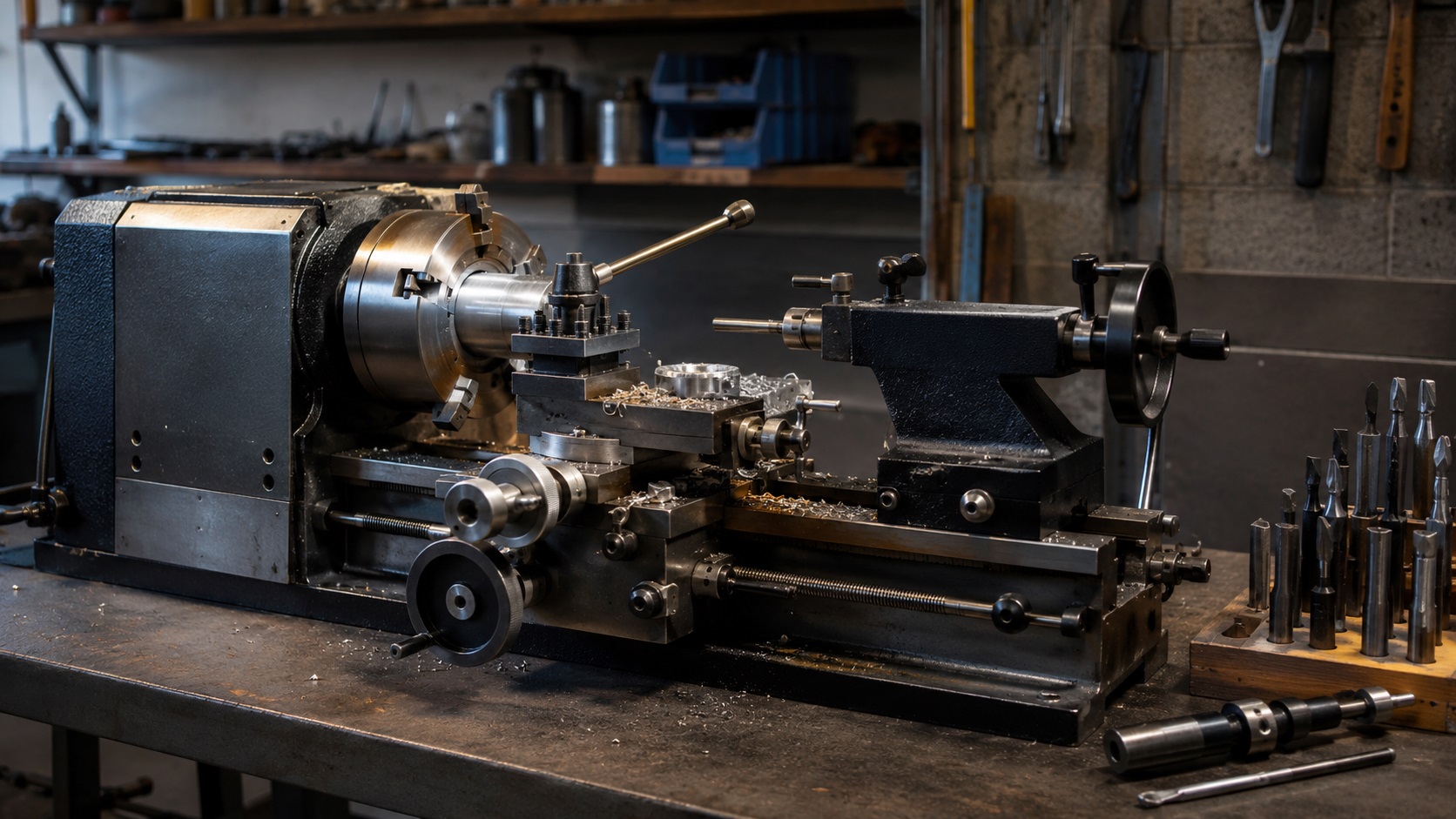
A minilathe is a small benchtop metal lathe designed for light turning work. The most common hobby models are around the 7×10, 7×12, 7×14, or similar size range. The first number usually refers to swing, and the second number refers to distance between centers.
That sounds simple, but the real working capacity is always smaller than the advertised size.
A 7×14 minilathe does not mean you will comfortably turn a 7-inch diameter part that is 14 inches long. Chuck size, tool clearance, carriage travel, tailstock position, workholding, and machine rigidity all reduce the practical range.
In real shop use, a minilathe is better suited for:
- small aluminum parts
- brass bushings
- mild steel spacers
- plastic rollers
- model engineering parts
- custom pins
- knobs
- shafts
- small threaded parts
- repair jobs where the part fits the machine comfortably
It is not the right tool for heavy shafts, large farm repairs, big flywheels, long drilling jobs, or aggressive steel removal.
Why a Minilathe Can Be Worth It
The biggest value of a minilathe is not raw power. It is access.
A full-size lathe needs floor space, moving equipment, proper power, stronger workholding, and usually a much higher budget. A minilathe can sit on a sturdy bench and let someone start learning real turning operations without turning their garage into a full machine shop.
That matters.
You can read about machining for years and still not understand how a tool reacts when the workpiece starts rubbing instead of cutting. A minilathe teaches that quickly. You hear the motor load up. You see chatter marks. You feel backlash in the handwheel. You learn why tool height matters. You learn why a dull tool makes aluminum smear instead of cut cleanly.
Those lessons are hard to get from theory alone.
Once you’ve learned the basics, the challenge usually becomes finding useful things to make. Many hobby machinists start with simple spacers and bushings before moving on to more ambitious machining projects.
A minilathe is worth it because it gives you practical exposure to:
- workholding
- tool geometry
- feed pressure
- spindle speed
- surface finish
- center drilling
- facing
- turning
- boring
- threading
- parting
- measurement habits
- machine adjustment
For a beginner, that experience is valuable even when the machine is imperfect.
Actually, the imperfections can teach you a lot. Backlash, weak setups, tool deflection, and chatter are not just annoyances. They are part of learning how machining behaves when the setup is not ideal.
What a Minilathe Does Well
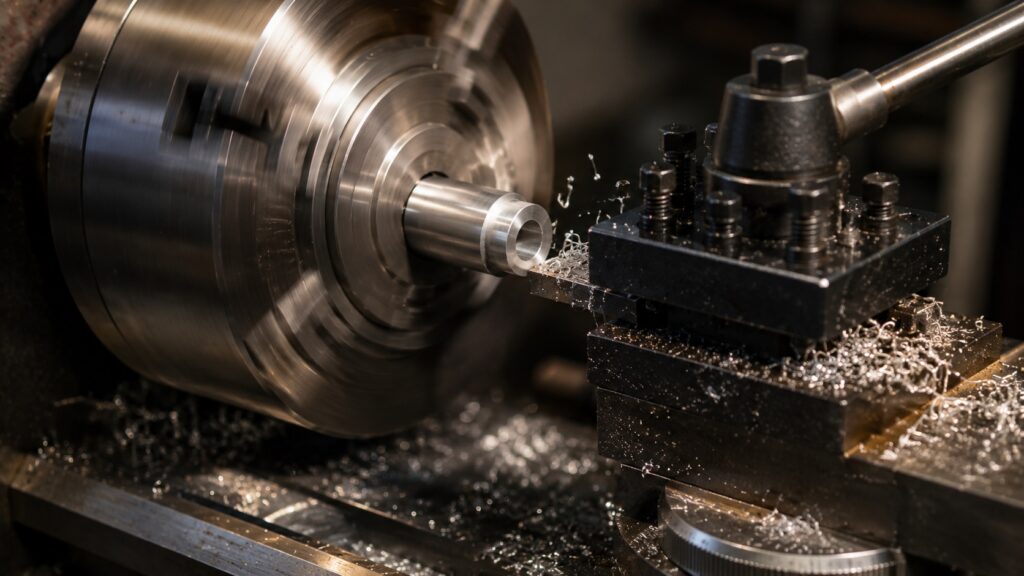
A minilathe is very useful for small, controlled work.
It usually handles plastic, aluminum, brass, and mild steel well if you use sharp tooling and light cuts. Plastics and aluminum are where these machines often feel most comfortable. Brass can machine beautifully, although tool geometry matters. Mild steel is possible, but you need patience.
Many people buy a minilathe as their first machine tool because it provides hands-on experience with cutting tools, workholding, feeds, speeds, and measurement. Even though the machine is small, the same core principles apply throughout modern CNC machining.
Good minilathe jobs include:
| Job Type | How Well a Minilathe Handles It | Notes |
|---|---|---|
| Aluminum spacers | Very well | Sharp tools and light cuts work nicely |
| Brass bushings | Very well | Avoid overly aggressive rake depending on brass type |
| Plastic rollers | Very well | Watch heat buildup and stringy chips |
| Mild steel pins | Good | Use light depth of cut and steady feed |
| Small threaded parts | Good | Requires setup patience |
| Large steel shafts | Poor | Usually too much load and flex |
| Long drilling | Poor to moderate | Tailstock travel and rigidity limit you |
| Production work | Poor | Too slow and setup-sensitive |
The sweet spot is small parts where accuracy matters more than speed.
One counterintuitive point: a minilathe often makes you a better beginner because it does not let you bully the material. On a larger lathe, extra mass and power can hide bad habits for a while. On a small machine, poor tool height, excessive overhang, dull inserts, loose gibs, or a weak bench show up almost immediately.
That can be frustrating, but it is useful feedback.
Where a Minilathe Struggles
The main limitations are horsepower, rigidity, work envelope, and adjustment quality.
Most minilathes do not have much spindle power. When the cut gets too heavy, the motor slows, the finish worsens, and the machine may stall. You can usually hear it before the cut completely fails. The sound changes from a clean cutting noise to a loaded, unhappy drag.
Rigidity is the second problem. A small lathe has less mass in the bed, carriage, compound, cross slide, and toolpost. If the tool sticks out too far or the workpiece is held with too much unsupported length, chatter appears quickly.
The third issue is factory adjustment. Many budget machines arrive usable, but not truly dialed in. Gibs may need adjustment. The tailstock may need checking. The carriage may have tight and loose spots. The chuck may not repeat perfectly. The compound may not feel smooth.
This does not mean the machine is useless. It means you should expect setup work.
A minilathe rewards the person who is willing to adjust, test, measure, and improve it slowly.
Is a Minilathe Good for Beginners?
Yes, a minilathe can be excellent for beginners, but only for the right kind of beginner.
It is good for someone who enjoys learning, measuring, adjusting, and solving small mechanical problems. It is not ideal for someone who wants plug-and-play production results.
A beginner should expect to learn:
- how to set tool height
- how to lock unused slides
- how to reduce overhang
- how to use cutting oil
- how to take spring passes
- how to measure with calipers and micrometers
- how to recognize chatter
- how to sharpen or select tools
- how to avoid crashing the chuck
- how to keep chips away from slides and gears
The first few weeks should not be about making perfect parts. They should be about understanding the machine.
Many of these lessons overlap with broader machining fundamentals. Learning how to control cutting pressure, measure parts accurately, and recognize tool wear will make it much easier to understand more advanced machining concepts later. If you’re completely new to the trade, these core machining basics are worth understanding early.
One common mistake is buying a minilathe and immediately judging it by the first bad surface finish. That finish may come from a dull tool, wrong speed, poor tool height, loose gibs, excessive stickout, or simply trying to remove too much material at once.
The machine might be limited, but the setup is often the bigger problem.
What Materials Can a Minilathe Cut?
A minilathe can cut many common materials, but the experience changes dramatically depending on the material.
Aluminum is usually the easiest metal for beginners, especially common free-machining grades. It cuts with low force, but it can gum up if the tool is dull or the speed is wrong.
Because aluminum machines relatively easily, it’s often the first material hobby machinists use for spacers, brackets, bushings, and prototype components. Understanding the most common uses of aluminum can help you identify practical beginner projects.
Brass machines cleanly and gives beginners confidence, but some brass grades can grab if the tool geometry is too aggressive.
Mild steel is possible, but slower. You need light cuts, good tool support, and realistic expectations. The machine may cut steel, but it will not remove steel like a heavier lathe.
Stainless steel is much less forgiving. It work hardens, loads the machine, and punishes rubbing. A minilathe can do small stainless jobs, but it is not where I would start.
Plastics are easy in terms of cutting force, but they bring their own problems. Nylon and HDPE can deflect. Acrylic can chip. Some plastics heat up and smear if the tool rubs.
A practical rule: the smaller and sharper the setup, the better the minilathe behaves.
The Real Cost of Owning a Minilathe
The lathe itself is only part of the cost.
You will also need measuring tools, cutting tools, workholding, lubricants, and small setup accessories. Many beginners underestimate this. The machine may be affordable, but the tooling ecosystem grows quickly.
At minimum, you should budget for:
- decent calipers
- a dial indicator
- center drills
- cutting oil
- HSS tool blanks or indexable tools
- parting tool
- live center
- drill chuck for the tailstock
- small files
- emery cloth
- deburring tools
- extra gears or belts if your model is known for failures
You do not need everything on day one. In fact, buying slowly is smarter. Start with basic measuring tools and a few cutting tools. Then let your projects tell you what you actually need.
A cheap lathe with thoughtful tooling is usually better than spending everything on the machine and having no way to measure or hold parts properly.
Minilathe vs Full-Size Lathe
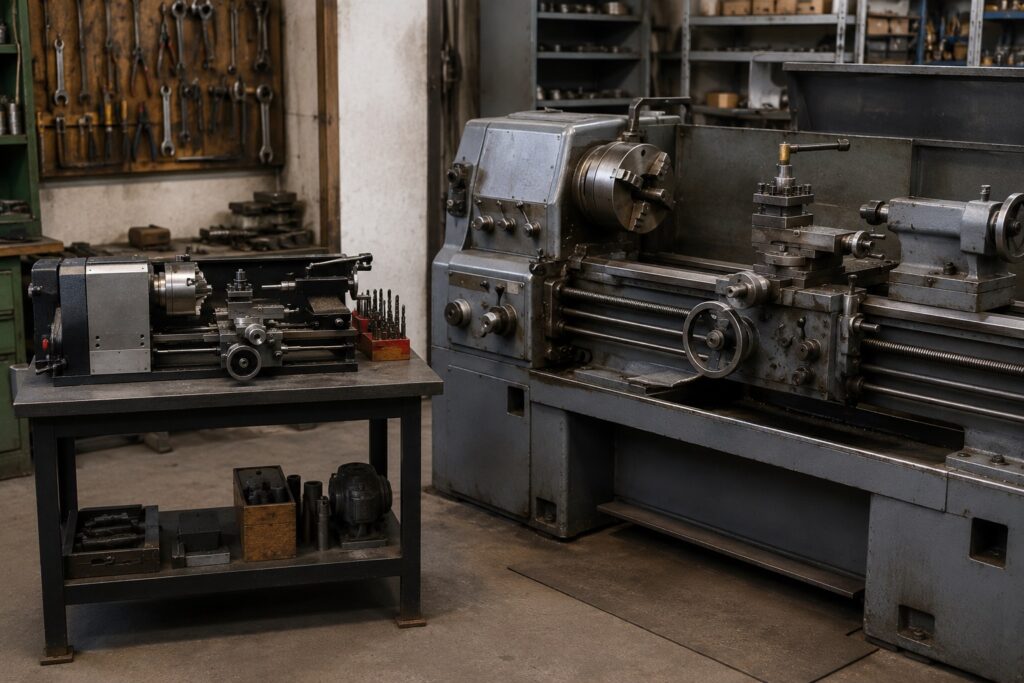
A full-size lathe is better in almost every mechanical way. It is heavier, more rigid, more powerful, more stable, and more capable.
But that does not automatically make it the better choice.
| Feature | Minilathe | Full-Size Lathe |
|---|---|---|
| Space required | Low | High |
| Cost | Lower | Higher |
| Moving difficulty | Easy to moderate | Difficult |
| Power | Limited | Much stronger |
| Rigidity | Limited | Much better |
| Learning value | High | High |
| Large work capacity | Poor | Good |
| Hobby convenience | Excellent | Depends on space |
| Production use | Weak | Much better |
If you have the space, budget, and ability to move a good used engine lathe, that is usually the better long-term machine.
But many people do not have that option.
For a garage, basement, apartment workshop, model engineering bench, or small repair corner, a minilathe can make sense because it actually fits your life. A perfect machine you cannot install is less useful than an imperfect machine you can use every weekend.
Common Beginner Mistakes
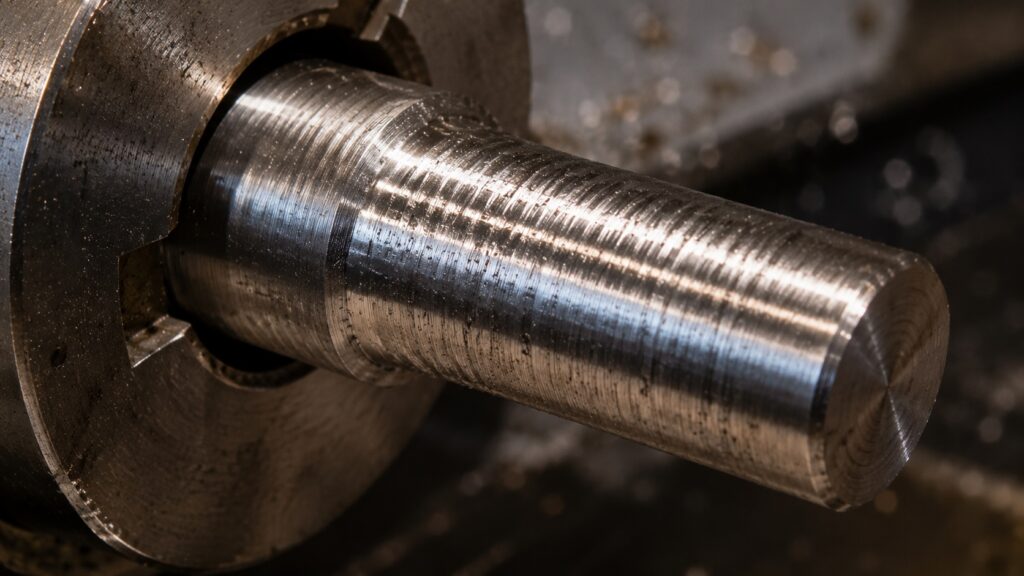
The first mistake is not bolting the machine down.
A minilathe sitting loose on a weak bench will chatter more, move more, and feel worse than it should. The machine already lacks mass. Do not make the problem worse with a shaky stand.
The second mistake is using too much tool overhang. Keep the tool short and supported. Small machines punish leverage.
The third mistake is ignoring gib adjustment. Loose slides create chatter and poor finish. Overtight slides create sticky movement and frustration. The goal is smooth movement with minimal play, not maximum tightness.
The fourth mistake is expecting carbide inserts to solve everything. Carbide can work, but many inserts are designed for higher rigidity and higher surface speed than a minilathe comfortably provides. Sharp HSS can sometimes cut better on a small machine, especially for light finishing passes.
Tooling mistakes aren’t the only issue beginners face. Poor planning, incorrect measurements, and setup errors often cause more problems than the machine itself. Similar mistakes become even more expensive on CNC equipment, which is why understanding common CNC programming errors can be valuable as your skills progress.
The fifth mistake is taking advertised capacity literally. Just because the machine can technically swing a certain diameter does not mean it can comfortably machine that diameter.
A minilathe is happiest when the part is small, well-supported, and not asking the machine to act bigger than it is.
Best First Upgrades for a Minilathe
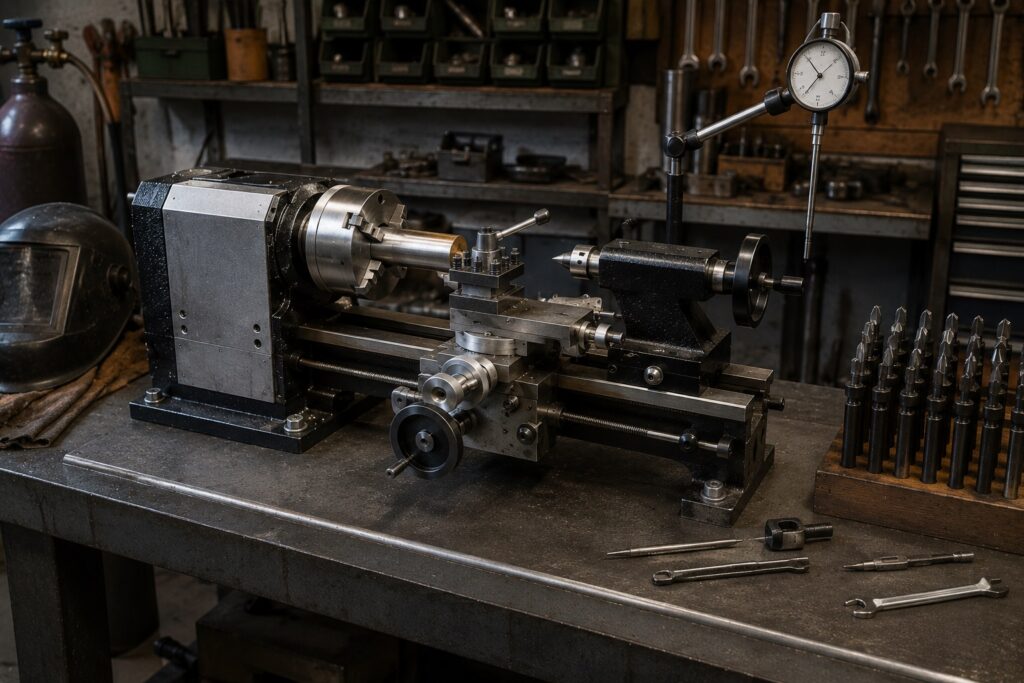
Not every upgrade is worth buying immediately. Some upgrades improve actual performance. Others just make the machine look more serious.
The most useful first upgrades are usually:
- A rigid bench or stand
- Proper mounting bolts
- Better cutting tools
- Dial indicator
- Live center
- Tailstock drill chuck
- Quick-change tool post
- Better chuck if the original is poor
- Metal gears or belt improvements if the machine has known weak points
The rigid bench matters more than many beginners expect. A small lathe bolted to a heavy, stable surface feels like a different machine.
A quick-change tool post is also a major usability upgrade. It reduces tool setup time and makes repeatable tool height easier. It will not magically add horsepower, but it improves workflow.
Better tooling is often more important than bigger accessories. A sharp, properly set tool can make a budget minilathe look much better than it really is.
When a Minilathe Is Not Worth It
A minilathe is not worth it if your work regularly involves large parts, heavy steel cuts, long shafts, or urgent repair work.
It is also not ideal if you hate tinkering. These machines often need adjustment. If adjusting gibs, checking alignment, cleaning chips, and improving setups sounds annoying, you may not enjoy owning one.
You should probably avoid a minilathe if you need to:
- turn large steel parts often
- remove material quickly
- hold tight tolerances without testing
- drill deep holes regularly
- machine long shafts
- do paid repair work under time pressure
- avoid machine tuning completely
In those cases, a heavier used lathe may be the smarter buy.
There is no shame in that. A minilathe is not a universal solution. It is a compact learning and small-part machine.
When a Minilathe Is Absolutely Worth It
A minilathe is worth it when your expectations match the machine.
It is a strong choice if you want to:
- learn basic lathe operations
- make small custom parts
- support 3D printing projects
- repair hobby equipment
- build model engines
- make bushings and spacers
- modify screws, pins, and shafts
- understand machining before buying larger equipment
- experiment without needing a full shop
It is also useful for people who enjoy the process as much as the result.
That matters more than people admit. If you only care about the finished part, sending the job to a machine shop may be easier. But if you enjoy learning how the part is made, a minilathe gives you that experience directly.
Practical Buying Advice
Do not buy only by brand name. Many budget minilathes are similar in design, and the same basic machine may appear under different labels. Instead, compare useful details:
- motor power
- bed length
- included accessories
- spare parts availability
- chuck size
- tailstock features
- gear system
- user community support
- return policy
- replacement parts
Motor power matters. More power does not turn a minilathe into an industrial machine, but very weak motors become frustrating faster.
Bed length also matters, but not because you will always machine long parts. Extra length gives you more room for the chuck, workpiece, tool, tailstock, and drill chuck.
If possible, choose a model with decent parts support. A small lathe is easier to live with when gears, belts, brushes, chucks, and replacement components are easy to find.
How to Get Better Results From a Minilathe
The machine improves when the setup improves.
Keep the workpiece close to the chuck. Use tailstock support when needed. Keep the tool sharp. Reduce tool overhang. Lock slides that are not moving. Use cutting fluid where appropriate. Take lighter cuts. Measure often.
Listen to the machine. A clean cut sounds steady. Chatter sounds uneven and harsh. A loaded motor tells you the cut is too aggressive. A squealing tool often means rubbing, poor geometry, or lack of lubrication.
Experienced operators do not just look at the chip. They listen, feel the handwheel pressure, watch the finish, and notice when the machine starts acting different.
That is where a minilathe teaches well. It makes feedback obvious.
Common Questions About Minilathes
Is a minilathe accurate?
A minilathe can be accurate enough for many hobby and small repair jobs, but accuracy depends heavily on setup, adjustment, tooling, and measurement. Do not expect perfect results straight out of the box.
Can a minilathe cut steel?
Yes, a minilathe can cut mild steel with light passes and sharp tooling. It is not ideal for heavy steel removal, large diameters, or production work.
Is a 7×14 minilathe better than a 7×10?
Usually, yes. The extra bed length gives more working room for the chuck, tailstock, drill chuck, and tooling. Even if you do not machine long parts, the additional space is helpful.
Should beginners use carbide or HSS tools?
Both can work. Carbide is convenient, but sharp HSS often performs better on small, less rigid machines because it can cut with lower pressure.
Do minilathes need upgrades?
Most minilathes benefit from adjustment and a few upgrades, but you do not need to buy everything immediately. Start with a solid bench, measuring tools, sharp cutters, and careful setup.
Can a minilathe make real parts?
Yes. A minilathe can make real, functional parts within its size and power limits. The key is choosing projects that fit the machine.
Should You Buy a Minilathe?
A minilathe is worth it if you understand what you are buying.
It is not a small industrial lathe. It is not a fast metal removal machine. It is not ideal for big steel parts or serious production work.
But for learning, small repairs, hobby projects, model engineering, spacers, bushings, aluminum parts, brass parts, plastic parts, and careful light steel work, it can be extremely useful.
The best way to think about it is simple: a minilathe is not worth it because it is powerful. It is worth it because it gives you real machining capability in a small, affordable, accessible package.
If you are patient, curious, and willing to tune the machine, it can teach you a lot.